
Discover the Salted Gelatin Trick, a simple wellness-inspired formula designed to support hydration, relaxation, and daily recovery routines using carefully selected gelatin and mineral salt ingredients. This easy-to-use blend fits seamlessly into modern wellness lifestyles and is popular among individuals seeking a comforting addition to their evening or post-workout rituals. Featuring collagen-derived protein and essential electrolytes, the Salted Gelatin Trick offers a convenient way to complement balanced nutrition and hydration habits. Whether you are focused on recovery, wellness support, or mindful nutrition, this trending formula provides a practical and versatile option for everyday use. Always use as directed and maintain a balanced lifestyle.
Description
The phrase “Salted Gelatin Trick” has recently gained attention across wellness blogs, social media platforms, nutrition forums, and health-focused communities. Many people searching for this topic are trying to understand whether combining gelatin with mineral salt may support hydration, digestion, joint comfort, muscle recovery, sleep quality, or general wellness routines.
As with many trending wellness practices, online discussions often mix anecdotal experiences with selective scientific references. That makes it important to separate established nutrition science from personal testimonials and unverified claims.
For healthcare-focused platforms like Meridian Medical Centre, presenting balanced, evidence-informed educational content is essential—especially when discussing topics involving nutrition, metabolism, connective tissue health, or supplementation.
This article explores what the Salted Gelatin Trick actually is, why people are using it, what nutritional science says about gelatin and salt individually, how the combination may theoretically work, and what limitations or precautions consumers should understand before trying it themselves.
What Is the Salted Gelatin Trick?
The Salted Gelatin Trick generally refers to consuming gelatin mixed with water and a small amount of mineral salt, often before bed, before exercise, or during fasting-style dietary routines.
There is no universally standardized formula. Online variations commonly include:
- Unflavored gelatin powder
- Warm water or herbal tea
- Sea salt, Himalayan salt, or electrolyte salt
- Optional additions such as lemon juice, honey, magnesium, collagen peptides, or apple cider vinegar
Some wellness influencers describe it as a nightly ritual, while others frame it as part of hydration support or recovery nutrition.
Importantly, the term itself is largely internet-driven rather than medically defined. There is currently no clinical protocol officially recognized as the “Salted Gelatin Trick” in mainstream medicine or nutrition science.
Understanding Gelatin: What It Actually Is
To understand why this trend exists, it helps to first understand gelatin itself.
Gelatin is a protein substance derived from collagen, which is naturally found in connective tissues of animals. It is typically produced by cooking collagen-rich materials such as skin, cartilage, and bones.
Gelatin contains amino acids including:
- Glycine
- Proline
- Hydroxyproline
- Alanine
- Arginine
These amino acids are important because collagen is one of the primary structural proteins in the human body.
Collagen-related structures include:
- Skin
- Tendons
- Ligaments
- Cartilage
- Bones
- Blood vessels
- Connective tissue
Gelatin differs slightly from collagen peptides because gelatin thickens when cooled, while hydrolyzed collagen dissolves more easily without forming a gel.
Why People Use Gelatin in Wellness Routines
Interest in gelatin is not entirely new. Traditional culinary practices have included gelatin-rich broths and connective tissue foods for centuries.
Modern wellness communities often discuss gelatin in relation to:
Joint and Connective Tissue Support
Some researchers have investigated collagen-derived proteins for their potential role in supporting connective tissue maintenance. Certain amino acids found in gelatin are involved in collagen synthesis pathways.
However, research outcomes remain mixed, and not all studies reach the same conclusions.
Protein Intake
Gelatin contains protein, though it is considered an incomplete protein because it lacks sufficient amounts of certain essential amino acids.
Still, it may contribute to overall dietary protein intake when consumed alongside balanced nutrition.
Sleep and Relaxation Discussions
Glycine, one of gelatin’s major amino acids, has been studied for possible effects on sleep quality and nervous system regulation.
Some small studies have explored glycine supplementation in relation to sleep onset and perceived restfulness. This is one reason why some people consume gelatin at night.
Digestive Wellness Conversations
Online discussions often connect gelatin with digestive comfort because gelatin absorbs water and forms a gel-like consistency.
Some practitioners speculate that this texture may support gastrointestinal function, though robust clinical evidence remains limited.
What About the Salt?
The second half of the Salted Gelatin Trick involves adding salt, usually mineral-rich salt.
Salt contains sodium, an electrolyte essential for:
- Fluid balance
- Nerve signaling
- Muscle function
- Blood pressure regulation
Sodium plays a critical physiological role. Problems arise when sodium intake becomes either excessively low or excessively high.
People experimenting with low-carbohydrate diets, fasting routines, endurance exercise, or sauna use sometimes increase electrolyte intake intentionally because these practices can alter fluid and sodium balance.
This is likely one reason why salt has become integrated into wellness trends involving hydration and recovery.
Why Are Gelatin and Salt Combined Together?
There are several theories circulating online regarding why people combine gelatin and salt.
It is important to emphasize that many of these ideas remain theoretical or anecdotal rather than conclusively proven.
Hydration Support Theory
Some wellness advocates believe gelatin may help water remain in the digestive system slightly longer because of its gel-forming characteristics.
Combined with sodium, which influences fluid balance, the mixture is sometimes promoted as a hydration-support beverage.
However, there is limited direct clinical research specifically studying gelatin-and-salt mixtures for hydration outcomes.
Recovery and Exercise Culture
Fitness communities sometimes use the Salted Gelatin Trick around workouts.
This is likely connected to:
- Sodium’s role in electrolyte balance
- Protein’s role in nutrition recovery
- Interest in collagen-related amino acids for connective tissue support
Again, direct evidence supporting the specific combination remains limited.
Bedtime Wellness Rituals
Another major trend involves consuming the mixture before sleep.
This practice appears connected to discussions around glycine and nighttime relaxation routines. Some people also believe mineral salt supports overnight electrolyte balance.
However, consumers should avoid interpreting anecdotal reports as established medical evidence.
The Glycine Connection
One of the most scientifically interesting aspects of gelatin is its glycine content.
Glycine is a non-essential amino acid involved in several biological functions, including:
- Neurotransmitter activity
- Collagen production
- Metabolic pathways
- Cellular signaling
Researchers have explored glycine in relation to:
- Sleep quality
- Body temperature regulation
- Cognitive function
- Metabolic health
Some studies suggest glycine may promote feelings of relaxation in certain individuals. However, research remains ongoing, and effects may vary depending on dose, overall diet, and individual physiology.
This does not mean gelatin should be considered a treatment for insomnia or neurological conditions.
Collagen, Gelatin, and Connective Tissue Science
A major driver behind gelatin trends is growing consumer interest in collagen-related nutrition.
Collagen is abundant throughout the body, and collagen production naturally changes with age.
Researchers continue studying collagen peptides and gelatin in areas including:
- Skin elasticity
- Exercise recovery
- Joint function
- Bone health
- Tendon support
Some studies show promising outcomes, while others demonstrate modest or inconsistent effects.
It is important to recognize that collagen metabolism is complex. Simply consuming collagen or gelatin does not guarantee targeted structural changes in the body.
Overall dietary quality, exercise, sleep, genetics, micronutrient status, and age all influence connective tissue health.
The Role of Electrolytes in Wellness Trends
The popularity of electrolyte-focused health practices has expanded rapidly in recent years.
People interested in:
- Ketogenic diets
- Intermittent fasting
- Endurance training
- Heat exposure therapy
- Sauna routines
often discuss sodium, potassium, and magnesium balance.
Because sodium influences water retention and cellular fluid balance, some consumers believe adding salt to wellness beverages may support hydration and energy levels.
However, sodium requirements vary widely among individuals.
Excess sodium intake may not be appropriate for everyone, particularly those managing certain cardiovascular or kidney-related conditions.
Is the Salted Gelatin Trick Scientifically Proven?
Currently, there is no large-scale clinical evidence proving that the Salted Gelatin Trick itself delivers the dramatic outcomes often claimed online.
Most available discussions are based on:
- Nutritional theories
- Small-scale studies involving individual ingredients
- Personal testimonials
- Wellness influencer experiences
- Traditional nutrition concepts
That distinction matters.
Scientific research may support certain biological roles of glycine, collagen proteins, and electrolytes individually. However, this does not automatically validate every marketing claim attached to the trend.
Consumers should be cautious about exaggerated promises involving:
- Rapid weight loss
- Hormonal transformation
- “Detoxification”
- Overnight recovery
- Chronic disease management
- Guaranteed anti-aging effects
These types of claims generally require strong clinical substantiation.
Why Consumers Are Searching for the Salted Gelatin Trick
Search interest surrounding this topic appears connected to several broader wellness trends.
Interest in Natural Wellness Practices
Consumers increasingly look for food-based approaches to support everyday wellness habits.
Desire for Simpler Health Rituals
Many people are drawn to inexpensive, minimalist routines rather than highly processed supplement stacks.
Social Media Virality
Short-form videos frequently present simple “hacks” in emotionally compelling ways, often without adequate scientific nuance.
Collagen Market Growth
The global collagen supplement market has expanded significantly, increasing consumer curiosity about collagen-rich foods and gelatin.
Hydration Optimization Culture
Electrolyte awareness has become mainstream, especially among fitness-focused audiences.
Potential Nutritional Benefits Being Discussed
Although definitive conclusions remain limited, discussions surrounding the Salted Gelatin Trick often focus on these possible areas:
Protein Contribution
Gelatin provides amino acids that contribute to overall dietary protein intake.
Culinary Simplicity
The ingredients are relatively accessible and inexpensive.
Satiety Discussions
Some people report that gelatin-containing drinks feel satisfying due to their texture and protein content.
Warm Beverage Rituals
Warm nighttime beverages themselves may psychologically support relaxation routines.
Electrolyte Awareness
The trend has increased public awareness of hydration and electrolyte balance.
Important Limitations and Concerns
Balanced health reporting also requires discussing potential downsides and uncertainties.
Sodium Intake Concerns
People with hypertension, kidney disease, or sodium-sensitive conditions should consult healthcare professionals before increasing sodium intake intentionally.
Incomplete Protein Profile
Gelatin is not a complete protein source and should not replace nutritionally balanced meals.
Supplement Quality Variability
Not all gelatin products are manufactured equally. Ingredient sourcing and purity standards vary between brands.
Anecdotal Marketing
Many social media testimonials are not equivalent to clinical evidence.
Oversimplification of Wellness
No single drink or “trick” replaces evidence-based lifestyle practices such as:
- Balanced nutrition
- Exercise
- Sleep
- Stress management
- Medical care
Gelatin vs Collagen Peptides
Consumers often confuse gelatin and collagen peptides.
While related, they are not identical.
Gelatin
- Thickens when cooled
- Often used in desserts or warm drinks
- Forms gel textures
Collagen Peptides
- Hydrolyzed into smaller chains
- Dissolve more easily
- Usually remain liquid without thickening
Both originate from collagen, but their culinary behavior differs.
Traditional Food Practices and Bone Broth Culture
The Salted Gelatin Trick also overlaps culturally with longstanding traditions involving:
- Bone broth
- Slow-cooked soups
- Connective tissue cooking
- Mineral-rich broths
These foods historically served as nutrient-dense staples in many cultures.
Modern wellness trends sometimes reinterpret these traditional practices through contemporary nutrition language.
What Wellness Experts Often Recommend Instead of “Hacks”
Healthcare professionals generally encourage focusing on broader foundational habits rather than relying on viral shortcuts.
Evidence-based wellness approaches typically emphasize:
- Consistent hydration
- Balanced protein intake
- Whole-food nutrition
- Sleep hygiene
- Regular physical activity
- Stress reduction
- Medical guidance when appropriate
Simple routines can absolutely be part of healthy lifestyles, but exaggerated expectations may lead to confusion.
Could the Salted Gelatin Trick Fit Into a Balanced Lifestyle?
For some healthy adults, a gelatin-based beverage may simply function as:
- A source of protein
- A warming nighttime drink
- A hydration-support ritual
- A culinary wellness habit
However, whether it meaningfully changes health outcomes likely depends on the larger context of a person’s diet and lifestyle.
No current evidence suggests it should replace professional medical treatment or individualized nutrition advice.
Marketing Claims Consumers Should Evaluate Carefully
When researching this topic online, consumers may encounter dramatic claims that deserve scrutiny.
Be cautious around statements suggesting the Salted Gelatin Trick can:
- Reverse aging
- Cure chronic conditions
- Replace medications
- “Detox” the body
- Melt fat automatically
- Repair joints instantly
- Permanently fix sleep disorders
These types of claims often exceed available scientific evidence.
What Research Is Still Needed?
Scientists continue studying:
- Collagen metabolism
- Amino acid physiology
- Electrolyte balance
- Nutritional recovery
- Sleep-related nutrition
- Connective tissue support
Future research may provide clearer answers regarding how combinations of protein, glycine, sodium, and hydration interact physiologically.
At present, however, the Salted Gelatin Trick remains more of a wellness trend than an established clinical protocol.
Final Thoughts on the Salted Gelatin Trick
The Salted Gelatin Trick represents a modern wellness trend built around two nutritionally relevant ingredients: gelatin and salt.
Interest in the practice appears driven by conversations surrounding:
- Hydration
- Recovery
- Sleep routines
- Collagen support
- Electrolyte balance
- Traditional nutrition practices
While scientific literature does support certain biological roles for amino acids like glycine and for electrolytes like sodium, there is currently limited direct evidence proving the broad claims sometimes associated with the trend online.
For many people, the mixture may simply function as a comforting wellness beverage or nutritional ritual rather than a transformative health solution.
As with any trending health practice, maintaining realistic expectations and consulting qualified healthcare professionals for personalized medical guidance remains important—especially for individuals with existing medical conditions or specialized dietary needs.
This article is intended for educational and informational purposes only and should not be interpreted as medical advice, diagnosis, or treatment recommendations. Readers should consult licensed healthcare professionals before making significant dietary or supplementation changes.
Related products
-
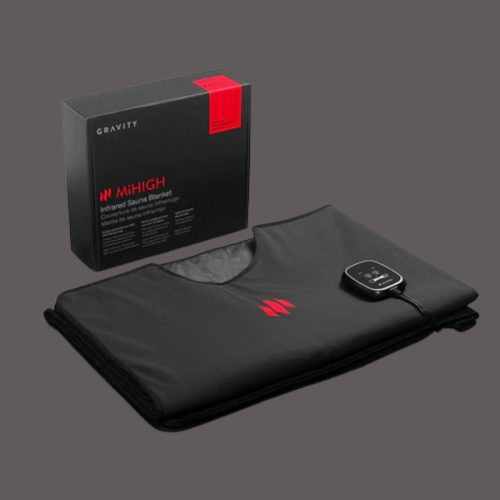
Sippin Burn
$69.00 Buy From This Official Website -
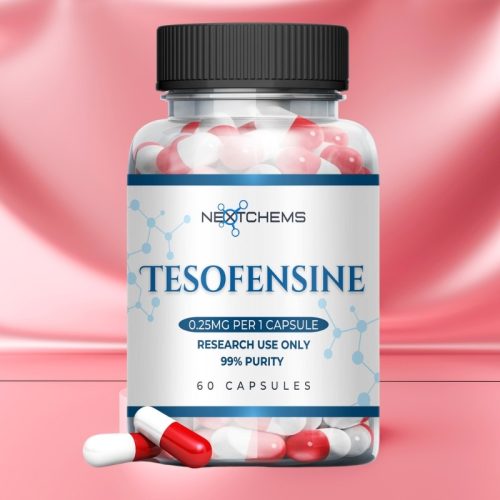
Tesofensine
$185.99 Buy From The Official Website -
Sale!
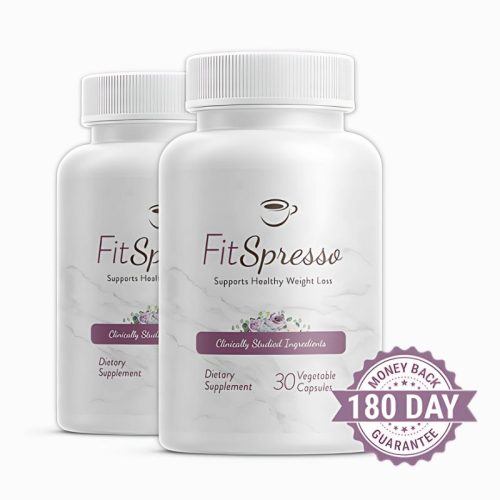
Fitspresso
Original price was: $234.00.$39.00Current price is: $39.00. Buy From The Official Website -
Sale!
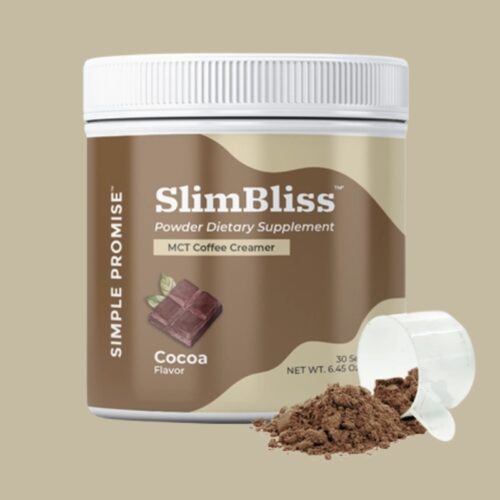
SlimBliss
Original price was: $59.00.$33.00Current price is: $33.00. Buy From The Official Website