
Sermorelin Peptide Therapy is a physician-guided wellness treatment designed to support the body’s natural production of growth hormone. By stimulating the pituitary gland rather than replacing hormones directly, this innovative peptide therapy may help promote healthy aging, improved sleep quality, enhanced recovery, lean muscle maintenance, and overall vitality. Many individuals choose Sermorelin Peptide Therapy as part of a comprehensive wellness plan focused on energy, body composition, and long-term health optimization. With a science-backed approach that works in harmony with the body’s natural processes, Sermorelin offers a modern solution for adults seeking to support their wellness goals and active lifestyle.
Description
Sermorelin Peptide Therapy has emerged as one of the most discussed peptide-based wellness approaches among adults seeking support for healthy aging, recovery, body composition, energy levels, and overall vitality. As interest in growth hormone optimization continues to grow, many individuals are exploring alternatives that work with the body’s natural hormone pathways rather than relying on direct hormone replacement. This increasing attention has placed sermorelin peptide therapy at the forefront of conversations surrounding longevity, metabolic wellness, performance optimization, and age-related hormonal changes.
Unlike direct growth hormone administration, sermorelin is designed to stimulate the body’s natural production of growth hormone through communication with the pituitary gland. This distinction has made it particularly appealing to individuals interested in a more physiological approach to hormone support. Researchers continue to investigate the potential role of growth hormone-releasing hormone analogs in areas such as sleep quality, body composition, recovery, cognitive health, and healthy aging.
As adults age, natural growth hormone production gradually declines. This reduction is associated with changes in body composition, recovery capacity, energy levels, sleep patterns, and overall vitality. While aging is a natural biological process, many individuals seek strategies that may help support optimal hormonal function throughout adulthood. Sermorelin therapy has become one option discussed within functional medicine, wellness medicine, and hormone optimization practices.
The growing popularity of peptide therapy has also led many people to search for evidence-based information regarding how sermorelin works, who may be an appropriate candidate, and what benefits have been observed in clinical settings. Understanding the science behind growth hormone signaling provides valuable insight into why sermorelin continues to attract attention among healthcare providers and patients alike.
For readers interested in learning more about this topic, additional information can be found at: https://www.helimeds.com/blog/semorelin-peptide
This comprehensive guide explores the science, potential benefits, considerations, and practical aspects of Sermorelin Peptide Therapy.
What is Sermorelin Peptide Therapy?
Sermorelin Peptide Therapy is a wellness and hormone optimization approach that utilizes sermorelin acetate, a synthetic peptide that mimics Growth Hormone-Releasing Hormone (GHRH). GHRH is naturally produced within the hypothalamus and serves as an important signaling molecule that instructs the pituitary gland to release growth hormone.
Growth hormone plays an essential role throughout life. It contributes to healthy metabolism, cellular repair processes, muscle maintenance, sleep regulation, and overall physiological function. While growth hormone production is naturally highest during childhood and adolescence, levels gradually decline with age. This reduction has led researchers to investigate interventions that may support healthy growth hormone secretion in adults.
Sermorelin functions by working with the body’s existing endocrine system rather than replacing growth hormone directly. Once administered, the peptide binds to receptors in the pituitary gland and encourages the release of naturally produced growth hormone. This process more closely resembles the body’s normal hormonal communication pathways.
Unlike direct growth hormone injections, which introduce exogenous hormone into the body, sermorelin stimulates endogenous production. Because of this distinction, many practitioners view sermorelin as a more physiologically aligned strategy for supporting healthy hormone levels.
Originally approved by the U.S. Food and Drug Administration for pediatric growth hormone deficiency, sermorelin has since gained attention in adult wellness and hormone optimization settings. Healthcare providers may prescribe it off-label for adults who exhibit signs associated with reduced growth hormone activity, including changes in energy, recovery, body composition, and sleep quality.
Interest in sermorelin peptide therapy continues to expand due to its unique mechanism of action and its ability to support the body’s own hormone production systems. Researchers continue evaluating its role within broader healthy aging and wellness protocols.
How Does Sermorelin Peptide Therapy Work?
Understanding how Sermorelin Peptide Therapy works begins with understanding the growth hormone axis.
The hypothalamus continuously monitors physiological needs and communicates with the pituitary gland through various signaling molecules. One of the most important signals is Growth Hormone-Releasing Hormone (GHRH). When GHRH is released, it stimulates the pituitary gland to produce pulses of growth hormone.
Sermorelin is structurally similar to naturally occurring GHRH. After administration, it binds to receptors located on pituitary somatotroph cells. This interaction triggers the release of growth hormone in a manner that resembles natural physiological processes.
Once growth hormone enters circulation, it influences numerous biological functions. One of its primary effects is stimulating production of Insulin-Like Growth Factor 1 (IGF-1), a hormone that supports tissue maintenance, protein synthesis, metabolism, and recovery.
Growth hormone release normally occurs in pulses throughout the day, particularly during deep sleep. Sermorelin helps support these natural pulses rather than creating artificially elevated hormone levels. This characteristic distinguishes it from direct growth hormone therapy and is one reason it has attracted attention among practitioners focused on hormone optimization.
The potential outcomes associated with increased growth hormone signaling may include support for lean body mass maintenance, recovery processes, sleep quality, metabolic health, and healthy aging. However, individual results vary depending on age, baseline hormone status, lifestyle habits, nutrition, exercise patterns, and overall health.
Healthcare providers often monitor IGF-1 levels and clinical symptoms throughout therapy to assess response and make adjustments when appropriate. When integrated into a comprehensive wellness strategy that includes exercise, proper nutrition, stress management, and quality sleep, sermorelin may support broader health and performance goals.
Benefits of Sermorelin Peptide Therapy
Energy and Sleep Quality
- May support deeper and more restorative sleep cycles.
- Growth hormone release naturally increases during slow-wave sleep, which is considered one of the most restorative sleep phases.
- Some individuals report waking up feeling more refreshed and energized.
- Improved sleep quality may contribute to better daytime productivity and mood.
- Clinical observations suggest improvements in vitality and overall wellness among certain individuals receiving growth hormone-supportive therapies.
- Enhanced sleep quality may indirectly support recovery and daily performance.
Muscle Growth and Fat Reduction
- Growth hormone plays an important role in maintaining lean muscle tissue.
- Sermorelin may support healthy protein synthesis and muscle recovery when combined with resistance training.
- Some studies involving growth hormone-releasing hormone analogs have demonstrated modest improvements in body composition.
- May support preservation of lean body mass during aging.
- Could assist healthy metabolic processes associated with fat utilization.
- Often incorporated into fitness-focused wellness programs alongside proper nutrition and exercise.
Anti-Aging and Cognitive Function
- Interest in sermorelin has grown within healthy aging communities.
- Growth hormone influences various physiological systems associated with tissue maintenance and repair.
- Some research suggests growth hormone-releasing hormone analogs may support aspects of cognitive performance.
- Studies have explored potential improvements in executive function and working memory among older adults.
- Healthy hormone balance may contribute to overall vitality and wellness.
- May support long-term wellness strategies aimed at maintaining quality of life with age.
Sermorelin for Weight Loss
- Sermorelin is not classified as a weight-loss medication.
- May support healthy fat metabolism through its effects on growth hormone signaling.
- Some individuals experience gradual improvements in body composition.
- Best results are typically observed when combined with exercise and dietary modifications.
- May support metabolic efficiency as part of a broader wellness plan.
- Weight management outcomes vary significantly among individuals.
- Clinical evaluation is recommended to determine suitability.
Sermorelin Peptide Therapy vs. Other Brands
When comparing Sermorelin Peptide Therapy to other hormone optimization approaches, one of the most important distinctions is its mechanism of action. Rather than introducing synthetic growth hormone directly into the bloodstream, sermorelin encourages the body’s natural growth hormone production process.
Compared with direct HGH therapy, sermorelin may offer a more physiologically aligned approach because it relies on existing hormonal pathways. Many practitioners appreciate that the pituitary gland remains actively involved in regulating hormone release.
Compared with many over-the-counter anti-aging supplements, sermorelin operates through a clinically supervised peptide therapy framework and targets a specific hormonal pathway. While supplements may support general wellness, sermorelin directly interacts with growth hormone signaling mechanisms.
Other peptide therapies often focus on different biological targets, including recovery, appetite regulation, immune function, or tissue repair. Sermorelin’s primary focus remains growth hormone optimization through stimulation of the pituitary gland.
The best option depends on an individual’s goals, medical history, laboratory findings, and healthcare provider recommendations. Professional evaluation remains essential when comparing peptide therapies and hormone optimization strategies.
How to Get Started with Sermorelin Peptide Therapy
Beginning Sermorelin Peptide Therapy typically starts with a comprehensive health assessment. Healthcare providers often evaluate symptoms, medical history, lifestyle factors, hormone levels, and wellness goals before determining whether therapy may be appropriate.
The first step generally involves a consultation with a qualified medical provider experienced in hormone optimization and peptide therapy. During this process, providers may discuss concerns such as low energy, recovery challenges, sleep disturbances, body composition goals, or healthy aging objectives.
Laboratory testing may be recommended to evaluate biomarkers such as IGF-1 and other hormone-related indicators. These results help establish baseline measurements and guide treatment planning.
Once eligibility is determined, a personalized protocol may be developed. Providers often tailor dosing recommendations based on individual characteristics and therapeutic goals.
Patients typically receive instructions regarding administration techniques, treatment schedules, monitoring expectations, and follow-up assessments. Consistency is often emphasized because peptide therapies generally work gradually over time.
Many healthcare providers also recommend integrating lifestyle improvements alongside therapy. Nutritional support, exercise programs, stress management strategies, and healthy sleep habits can complement treatment objectives.
Regular monitoring helps ensure therapy remains aligned with patient goals and clinical findings. Adjustments may be made as needed throughout the treatment process.
Pros and Cons of Sermorelin Peptide Therapy
Like any wellness intervention, Sermorelin Peptide Therapy presents both potential advantages and limitations.
Potential advantages include its ability to stimulate the body’s natural production of growth hormone rather than replacing it directly. This mechanism appeals to many individuals seeking a more physiological approach to hormone optimization. The therapy may support healthy sleep, body composition, recovery, vitality, and overall wellness when used appropriately under medical supervision.
Another potential benefit is that growth hormone release remains regulated through natural feedback mechanisms. Many practitioners view this as an important distinction compared with direct growth hormone administration.
Sermorelin may also fit within broader healthy aging strategies. Individuals seeking support for age-related hormonal changes often explore peptide therapies as part of comprehensive wellness programs.
Potential drawbacks include the need for ongoing administration and monitoring. Results may develop gradually and can vary significantly among individuals. Some people may not experience the same outcomes as others.
Cost considerations may also influence decision-making since therapy generally requires ongoing investment. Additionally, eligibility depends on individual medical circumstances and professional evaluation.
As with any medical treatment, consultation with a qualified healthcare provider is essential to determine suitability and discuss potential risks, benefits, and expectations.
How to Order Sermorelin Peptide Therapy
Ordering Sermorelin Peptide Therapy generally involves a structured medical process designed to ensure appropriate evaluation and supervision.
The first step is typically scheduling a consultation with a healthcare provider who offers peptide therapy services. During this consultation, medical history, symptoms, goals, and laboratory findings may be reviewed.
If the provider determines that sermorelin therapy may be appropriate, a customized treatment plan can be developed. Depending on the provider and clinic, laboratory testing may be completed before therapy begins.
Many modern telehealth platforms have streamlined access to hormone optimization services by allowing patients to complete consultations remotely. This approach may increase convenience while maintaining medical oversight.
Once approved, treatment instructions are provided, including dosage recommendations, administration guidance, follow-up schedules, and monitoring protocols.
Patients should only obtain sermorelin through reputable healthcare providers and licensed pharmacies. This helps ensure product quality, proper dosing, and professional supervision throughout treatment.
Individuals interested in learning more can review available educational resources and consultation options through authorized providers. Understanding the treatment process before beginning therapy helps establish realistic expectations and promotes informed decision-making.
Sermorelin Peptide Therapy Includes
Sermorelin Peptide Therapy programs often include multiple components designed to support patient success throughout treatment.
Most programs begin with an initial medical consultation. During this assessment, providers evaluate health history, symptoms, lifestyle habits, and treatment objectives. This information helps determine whether sermorelin therapy may be appropriate.
Laboratory testing is frequently included to establish baseline measurements. Hormone-related biomarkers, including IGF-1 levels, may be assessed to support treatment planning and monitoring.
Patients generally receive access to prescription-grade sermorelin when approved through a licensed healthcare provider. Detailed instructions regarding administration, storage, and scheduling are typically provided.
Many programs also include follow-up appointments to evaluate progress and discuss any adjustments that may be needed. Regular monitoring allows providers to assess therapeutic response and ensure the treatment plan remains aligned with patient goals.
Educational materials may be offered as part of the experience. These resources often cover topics such as healthy aging, sleep optimization, exercise, nutrition, hormone health, and lifestyle practices that may complement therapy.
Some clinics additionally provide ongoing support from medical teams, wellness coaches, or patient coordinators. This comprehensive approach can help individuals remain engaged with their wellness objectives while receiving professional guidance throughout the process.
Sermorelin Peptide Therapy Pricing and Money-Back Guarantee
Pricing for Sermorelin Peptide Therapy can vary depending on several factors, including provider, treatment duration, consultation requirements, laboratory testing, medication dosage, and ongoing monitoring services. Some programs offer monthly treatment plans, while others provide multi-month packages designed to support long-term hormone optimization goals.
Patients should carefully review what is included within each program. Some providers bundle consultations, laboratory assessments, prescription medication, and follow-up appointments into a single package, while others charge separately for these services.
Because healthcare providers frequently update promotional offers, subscription plans, and treatment packages, prospective patients should review current pricing directly through the provider’s official website before making a purchase decision.
Money-back guarantee policies vary significantly among providers. Some healthcare services offer satisfaction guarantees or refund policies under specific conditions, while others may not provide refunds due to the customized nature of medical treatments and prescription medications.
Pricing Disclaimer: Prices, package options, promotional offers, and guarantee terms may change at any time without notice. Always refer to the official provider website for the most current pricing, availability, and policy details before ordering Sermorelin Peptide Therapy.
Conclusion for Sermorelin Peptide Therapy
Sermorelin Peptide Therapy continues to attract attention among adults seeking evidence-informed approaches to hormone optimization, healthy aging, body composition support, and overall wellness. By stimulating the body’s natural growth hormone production pathway, sermorelin offers a unique alternative to direct growth hormone administration.
Research into growth hormone-releasing hormone analogs suggests potential benefits related to sleep quality, vitality, lean body mass maintenance, recovery, cognitive performance, and metabolic health. While results vary among individuals, the therapy’s physiological mechanism has contributed to its growing popularity within wellness and functional medicine communities.
As with any medical intervention, professional evaluation remains essential. A qualified healthcare provider can determine whether therapy may be appropriate based on individual health status, laboratory findings, symptoms, and goals.
Those interested in exploring peptide therapy should prioritize reputable providers, evidence-based guidance, and realistic expectations. When combined with proper nutrition, exercise, sleep hygiene, and healthy lifestyle habits, sermorelin may serve as one component of a comprehensive wellness strategy.
For individuals seeking a medically supervised approach to supporting natural growth hormone production, Sermorelin Peptide Therapy represents an option worthy of careful consideration and professional discussion.
Sermorelin Peptide Therapy FAQs
1. What is Sermorelin Peptide Therapy?
Sermorelin Peptide Therapy uses a synthetic peptide that stimulates the pituitary gland to release natural growth hormone.
2. How is sermorelin different from HGH injections?
Sermorelin encourages natural hormone production, while HGH injections provide synthetic growth hormone directly.
3. Is sermorelin FDA approved?
Sermorelin was originally approved for pediatric growth hormone deficiency. Adult use is generally considered off-label.
4. How long does it take to see results?
Results vary, but many individuals report noticing changes over several weeks to months.
5. Can sermorelin help with sleep?
Some individuals report improved sleep quality, particularly deeper and more restorative sleep.
6. Does sermorelin cause weight loss?
Sermorelin is not a weight-loss medication, but it may support healthy body composition when combined with lifestyle changes.
7. Who may be a candidate for therapy?
Adults experiencing symptoms associated with reduced growth hormone activity may be evaluated by a healthcare provider.
8. Is medical supervision necessary?
Yes. Sermorelin should be used under the supervision of a qualified healthcare professional.
9. Can sermorelin support muscle maintenance?
Growth hormone plays a role in maintaining lean body mass, and sermorelin may support this process as part of a broader wellness program.
10. How is sermorelin administered?
Administration methods vary by provider, but it is commonly prescribed as a subcutaneous injection.
11. Are there side effects?
Potential side effects vary among individuals. A healthcare provider can discuss risks and considerations during consultation.
12. Where can I learn more about Sermorelin Peptide Therapy?
You can explore additional educational information here: https://www.helimeds.com/blog/semorelin-peptide
Related products
-

N1O1 The Science of Age Defiance
$24.99 Buy from the Official Website -
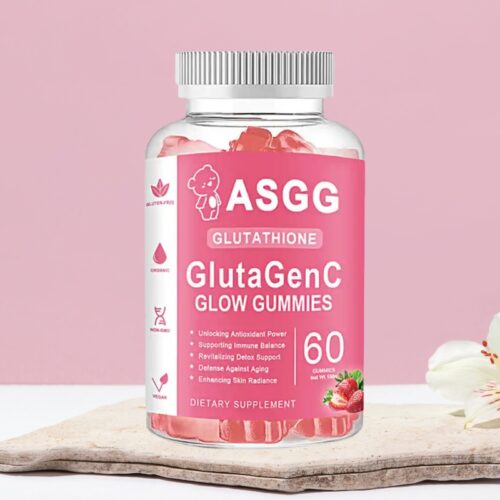
ASGG Glutagenc Glow Gummies Supplement
$10.89 Buy From The Official Website -
Sale!

EnduNAD+
Original price was: $49.99.$39.99Current price is: $39.99. Buy From The Official Website -
Sale!

Venilya Anti Cellulite Massager
Original price was: $79.99.$39.99Current price is: $39.99. Buy From The Official Website