
Discover a modern approach to targeted skincare with Skinaed Patches. Designed with innovative microneedle and hydrocolloid technology, these easy-to-use patches help deliver skincare ingredients directly where they are needed while creating a protective barrier over the skin. Ideal for addressing the appearance of blemishes, uneven texture, fine lines, and other common cosmetic concerns, Skinaed Patches fit seamlessly into your daily routine. Their convenient, mess-free design makes them perfect for overnight or on-the-go use. If you’re looking for a simple, non-invasive skincare solution that supports smoother, healthier-looking skin, Skinaed Patches offer a practical and innovative choice.
Description
The skincare industry continues to evolve rapidly, with innovative technologies making professional-inspired treatments more accessible for home use. Among the latest developments attracting consumer attention are microneedle patches and hydrocolloid patches, two technologies that have individually gained recognition for their potential roles in supporting skin health. Skinaed Patches combine both approaches into a single product, positioning themselves as a convenient solution for individuals seeking targeted skincare support.
Marketed as a 2-in-1 microneedle and hydrocolloid patch system, Skinaed Patches are promoted for various cosmetic skin concerns, including blemishes, uneven skin texture, visible skin imperfections, and signs of aging. According to product descriptions, the patches utilize microscopic dissolvable structures combined with hydrocolloid technology to deliver active ingredients directly to targeted areas while creating a protective environment on the skin surface.
As consumer interest grows, an important question emerges: What does the science actually say about microneedle and hydrocolloid patch technologies? Are these innovations supported by dermatological research, and what should consumers realistically expect?
This review examines the available evidence surrounding the technologies utilized in Skinaed Patches, explores potential benefits and limitations, and provides an objective perspective on how these products fit within modern skincare practices.
Importantly, this article focuses on the underlying technologies and available scientific literature rather than making conclusions about specific medical outcomes. Individuals with concerning skin lesions, rapidly changing moles, suspicious growths, or persistent skin conditions should consult a qualified healthcare professional or dermatologist for proper evaluation and diagnosis.
Understanding the Technology Behind Skinaed Patches
What Are Microneedle Patches?
Microneedle technology was originally developed within the pharmaceutical and medical fields as a potential method for delivering compounds through the outermost layer of the skin. Unlike traditional needles, microneedles are extremely small structures designed to create microscopic pathways in the skin’s surface.
Modern cosmetic microneedle patches often contain dissolvable microstructures that gradually break down after application, potentially enhancing the delivery of certain ingredients directly into the superficial layers of the skin. Dermatology experts note that these patches are increasingly being used in cosmetic products targeting concerns such as fine lines, dark spots, acne-related issues, and localized skin imperfections.
One of the primary advantages of microneedle patch technology is precision. Instead of applying ingredients across large areas of skin, the technology allows active compounds to be concentrated in a specific location. This targeted approach may improve efficiency while minimizing unnecessary exposure to surrounding skin.
Research into cosmetic microneedles remains an active field. Several studies have explored their ability to enhance the penetration of ingredients such as hyaluronic acid, peptides, antioxidants, and other skincare compounds. While findings are promising, experts emphasize that results vary significantly depending on formulation, ingredient selection, patch design, and individual skin characteristics.
What Is Hydrocolloid Technology?
Hydrocolloid dressings have been utilized in wound care for decades. These materials are designed to absorb fluid while maintaining a moist environment that may support natural healing processes.
In recent years, hydrocolloid technology has become especially popular within the skincare industry through the widespread use of pimple patches. These patches create a protective barrier over targeted areas while helping absorb excess fluid and discouraging touching or picking behaviors that can potentially worsen irritation.
Hydrocolloid materials function differently from traditional skincare creams or serums. Rather than actively treating a condition through pharmacological ingredients, they primarily create an environment that may support the skin’s natural recovery processes.
Many consumers appreciate hydrocolloid patches because they are generally discreet, easy to apply, and capable of protecting vulnerable areas from friction, contamination, and repeated handling.
Why Combine Microneedles and Hydrocolloid Materials?
The concept behind products such as Skinaed Patches involves combining two complementary technologies.
The microneedle component is intended to facilitate targeted ingredient delivery, while the hydrocolloid component helps maintain contact between the patch and skin while providing a protective covering. Product descriptions suggest that this dual-action approach may offer a more comprehensive skincare experience compared with conventional topical applications alone.
From a theoretical perspective, the combination appears logical. Microneedles may help improve ingredient access to superficial skin layers, while hydrocolloid materials may support ingredient retention and create favorable skin conditions during wear.
However, consumers should understand that theoretical advantages do not automatically guarantee identical real-world outcomes for every individual. Variables such as skin type, consistency of use, formulation quality, and the nature of the targeted concern all influence results.
Scientific Evidence Behind Microneedle Patch Technology
How Microneedles Interact with the Skin
The outermost layer of the skin, known as the stratum corneum, serves as the body’s primary protective barrier. While this barrier plays an essential role in preventing moisture loss and protecting against environmental threats, it can also limit the penetration of topical skincare ingredients.
Microneedle technology was developed to address this challenge. By creating microscopic pathways through the outer skin layer, microneedles may help improve the delivery of ingredients into superficial skin tissues without the discomfort associated with traditional needles.
Researchers have spent more than two decades studying microneedle systems for both pharmaceutical and cosmetic applications. Various types have been investigated, including solid microneedles, coated microneedles, hollow microneedles, and dissolvable microneedles. Cosmetic skincare products most commonly utilize dissolvable varieties due to their convenience and user-friendly design.
When applied correctly, dissolvable microneedles gradually break down after contact with moisture in the skin. This process allows active ingredients embedded within the microstructures to be released over time.
Potential Advantages Identified in Research
Several scientific investigations have highlighted potential benefits associated with cosmetic microneedle systems.
Researchers have observed that microneedles may:
- Enhance delivery of cosmetic ingredients
- Support hydration through targeted hyaluronic acid delivery
- Improve the appearance of fine lines
- Promote smoother-looking skin texture
- Facilitate localized treatment of cosmetic skin concerns
- Reduce reliance on more invasive procedures
Importantly, these findings often depend on the specific formulation being studied. Results observed with one microneedle product cannot automatically be generalized to every product utilizing similar technology.
Dermatologists generally view microneedle patch technology as a promising innovation within cosmetic skincare, particularly when used as part of a broader skincare routine rather than as a standalone solution.
Understanding the Limitations
Despite encouraging findings, microneedle technology is not a miracle solution.
Clinical outcomes vary considerably based on:
- Patch design
- Needle length
- Active ingredients
- Application duration
- Frequency of use
- Individual skin characteristics
Consumers should also recognize that cosmetic microneedle patches differ substantially from professional microneedling procedures performed in dermatology clinics.
Professional treatments typically penetrate deeper into the skin and are conducted under controlled clinical conditions. Home-use cosmetic patches are designed to be significantly less invasive and generally focus on superficial skin layers.
As a result, expectations should remain realistic. Cosmetic patches may contribute to gradual improvements in skin appearance, but they are not intended to replicate professional medical treatments.
Scientific Evidence Behind Hydrocolloid Patch Technology
Origins in Medical Wound Care
Hydrocolloid materials were originally developed for wound management and remain widely used in healthcare settings today.
These dressings contain substances capable of absorbing fluid while maintaining a moist environment over the skin. Research has shown that controlled moisture can support normal healing processes more effectively than allowing wounds to dry excessively.
This concept eventually led to the adaptation of hydrocolloid technology for cosmetic skincare applications.
Why Hydrocolloid Patches Became Popular
Hydrocolloid acne patches gained widespread popularity because they offer several practical advantages:
- Protection from environmental contaminants
- Reduced friction and irritation
- Absorption of excess fluid
- Reduced temptation to touch affected areas
- Convenient overnight use
Many dermatologists support the use of hydrocolloid patches for certain types of superficial blemishes because they help create a favorable environment for natural skin recovery.
One of their most appreciated benefits is behavioral rather than biochemical. By physically covering an area, the patch may discourage picking, squeezing, or scratching—behaviors that often contribute to prolonged irritation and post-inflammatory discoloration.
Potential Relevance to Skinaed Patches
Within products like Skinaed Patches, hydrocolloid technology appears to serve multiple functions.
First, it helps secure the patch to the skin surface.
Second, it creates a protective barrier around the targeted area.
Third, it may help maintain hydration and ingredient contact during the wear period.
These functions complement the microneedle component and contribute to the overall design strategy behind dual-action patch systems.
Potential Benefits of Skinaed Patches
Targeted Ingredient Delivery
One of the most appealing aspects of microneedle patch technology is precision.
Traditional creams and serums are applied broadly across large areas of skin. In contrast, patches allow users to concentrate ingredients directly where they are most desired.
This targeted approach may improve efficiency while reducing unnecessary product use.
Convenience and Ease of Use
Many consumers seek skincare solutions that fit easily into busy schedules.
Patch-based systems offer several practical advantages:
- No complicated application process
- Minimal mess
- Portable design
- Overnight usability
- Reduced need for repeated applications
For individuals who struggle with extensive skincare routines, patches may provide a more manageable alternative.
Protection From External Irritation
The hydrocolloid component may help shield targeted areas from:
- Friction
- Accidental scratching
- Environmental exposure
- Repeated touching
This protective function can be especially valuable for people prone to manipulating skin imperfections throughout the day.
Cosmetic Support for Skin Appearance
Based on the intended design of microneedle and hydrocolloid systems, users may experience improvements in the appearance of certain cosmetic skin concerns over time.
Potential areas of interest include:
- Visible skin texture
- Temporary blemishes
- Surface irregularities
- Skin hydration
- Appearance of fine lines
However, outcomes are likely to vary among individuals, and consumers should avoid expecting identical experiences.
Potential Risks and Safety Considerations
Temporary Skin Reactions
Although cosmetic microneedle patches are generally designed for home use, some users may experience temporary reactions.
Possible responses include:
- Mild redness
- Temporary sensitivity
- Minor irritation
- Itching
- Discomfort at the application site
These effects are typically short-lived but should be monitored.
Skin Sensitivity Concerns
Individuals with highly sensitive skin may be more likely to experience irritation.
Those with a history of:
- Allergic reactions
- Contact dermatitis
- Eczema
- Rosacea
should exercise caution and consider consulting a healthcare professional before introducing new skincare technologies.
Not a Substitute for Medical Evaluation
Perhaps the most important safety consideration involves skin lesions that warrant professional assessment.
Consumers should not rely on cosmetic products to evaluate or diagnose skin abnormalities.
Medical evaluation is recommended for:
- Changing moles
- Irregularly shaped lesions
- Bleeding growths
- Persistent skin abnormalities
- Rapidly enlarging lesions
- Areas causing significant concern
Early assessment by a qualified dermatologist remains the gold standard for identifying potentially serious skin conditions.
Who May Be Interested in Skinaed Patches?
Skinaed Patches may appeal to individuals who:
- Prefer non-invasive skincare approaches
- Want targeted cosmetic treatment options
- Are interested in emerging skincare technologies
- Appreciate convenient at-home skincare solutions
- Seek alternatives to extensive multi-step routines
The product may be particularly attractive to consumers interested in combining modern delivery systems with practical patch-based skincare.
Who Should Exercise Additional Caution?
Certain groups should approach cosmetic patch technologies carefully.
These include individuals who:
- Have known skin allergies
- Experience chronic skin disorders
- Are undergoing dermatological treatment
- Have suspicious skin lesions
- Have recently undergone cosmetic procedures
- Are uncertain about the nature of a skin growth
Professional guidance can help determine whether a product is appropriate for specific circumstances.
Frequently Asked Questions
Do microneedle patches hurt?
Most cosmetic microneedle patches are designed to cause minimal discomfort. Users may notice a mild sensation during application, but the experience is generally far less intense than professional microneedling procedures.
How long do hydrocolloid patches stay on the skin?
Wear times vary by manufacturer. Many products are designed for several hours of use or overnight application. Consumers should follow the instructions provided by the manufacturer.
Can microneedle patches replace professional dermatology treatments?
No. Cosmetic microneedle patches are intended for cosmetic skincare support and should not be viewed as replacements for professional medical evaluation or treatment.
Are results immediate?
Individual experiences vary. Cosmetic skincare technologies generally produce gradual changes over time rather than dramatic overnight transformations.
Are Skinaed Patches clinically proven?
Consumers should carefully distinguish between research supporting a technology category and clinical studies evaluating a specific product. While microneedle and hydrocolloid technologies have been studied extensively, product-specific evidence may differ and should be evaluated independently.
Related products
-
Sale!

SmartRingX
Original price was: $198.00.$57.00Current price is: $57.00. Buy From This Official Website -
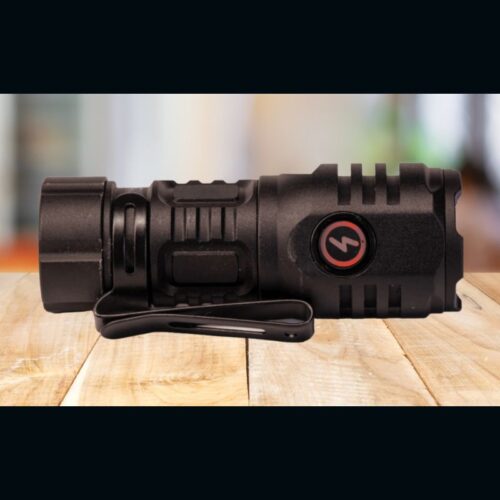
Black Bullet Light
$29.00 Buy From The Official Website -

Haworth Fern Chair
$1,242.00 Buy From This Official Website -
Sale!

Dark Force Night Vision BinoCulars
Original price was: $999.99.$70.00Current price is: $70.00. Buy From The Official Website