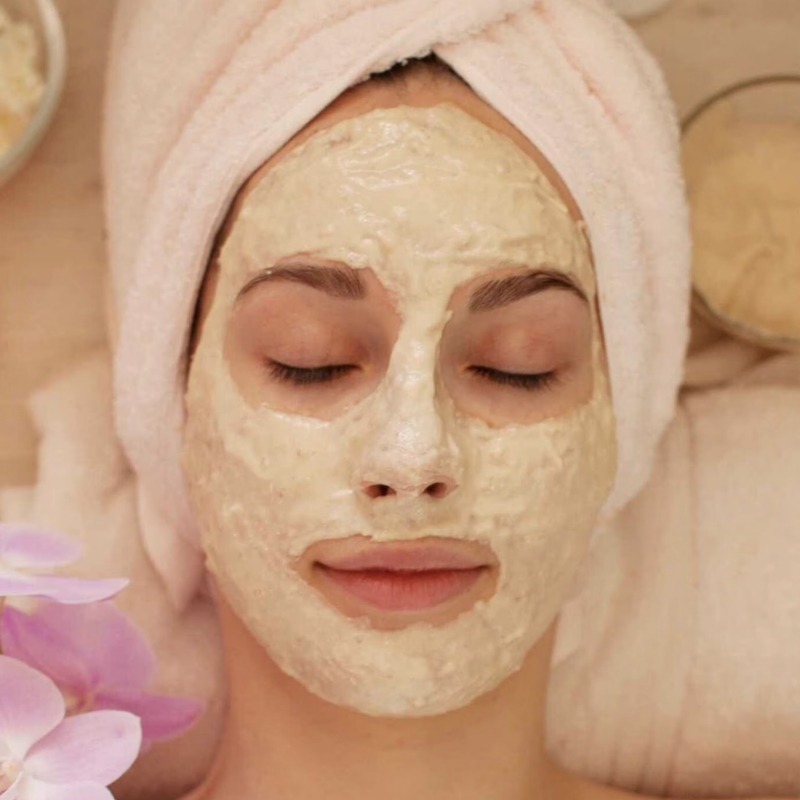
Description
In today’s wellness landscape, some of the most talked-about beauty rituals are not found inside luxury skincare bottles. Instead, they begin in the kitchen. One of the latest natural skincare trends gaining momentum online is the use of banana peels for smoother, brighter-looking skin. Advocates claim that rubbing the inside of a banana peel across the face may help soften texture, reduce dryness, calm visible irritation, and promote a more refreshed complexion.
But how much of this “banana peel secret” is rooted in science, and how much is internet hype?
At Meridian Medical Centre, we believe natural wellness conversations should always be approached through an evidence-informed lens. While banana peels contain several naturally occurring compounds that may support skin health, it is important to separate anecdotal beauty trends from clinically validated dermatology practices. This article explores what current research says about banana peels, the nutrients they contain, potential skincare benefits, important safety considerations, and realistic expectations for anyone interested in trying this tropical beauty ritual.
Why Banana Peels Became a Viral Skincare Trend
Bananas have long been associated with nutrition and wellness. Rich in potassium, vitamin C, antioxidants, and fiber, bananas are commonly recommended as part of a balanced diet. More recently, however, attention has shifted toward the peel itself.
Social media creators began sharing videos demonstrating how they rub the inside of banana peels on the skin as part of DIY facial routines. Many users describe temporary improvements in hydration and skin softness, while others claim the practice helps reduce the appearance of dullness and dryness.
Dermatologists and researchers acknowledge that banana peels contain antioxidants and bioactive compounds, but they also caution that evidence supporting dramatic cosmetic outcomes remains limited.
This distinction matters.
There is a major difference between:
- compounds showing promise in laboratory studies,
- anecdotal skincare experiences,
- and medically established treatments supported by controlled human clinical trials.
Responsible skincare guidance requires understanding those differences clearly.
What Is Inside a Banana Peel?
Researchers have identified multiple naturally occurring compounds in banana peels that may have biological activity. These include:
- Polyphenols
- Vitamin C
- Carotenoids
- Lutein
- Potassium
- Magnesium
- Flavonoids
- Ferulic acid
- Dietary fiber compounds
- Antioxidants
Scientific reviews note that banana peels contain antioxidant and anti-inflammatory compounds capable of neutralizing oxidative stress in laboratory settings.
Oxidative stress is important in skincare discussions because it is associated with:
- visible signs of aging,
- environmental skin stress,
- uneven texture,
- and skin barrier disruption.
Antioxidants help defend against free radicals, which are unstable molecules linked to environmental damage from factors such as pollution and UV exposure.
However, experts emphasize that the presence of antioxidants alone does not automatically mean rubbing a raw banana peel on the face will deliver clinically meaningful skincare outcomes.
The Science Behind Banana Peel and Skin Hydration
One of the most realistic claims surrounding banana peel skincare is temporary hydration support.
The inner portion of the peel contains natural polysaccharides and moisture-binding compounds that may create a short-lived softening effect when applied to the skin. Some dermatology discussions suggest this moisturizing sensation may explain why users often report that their skin feels smoother immediately after application.
Additionally, formulated banana peel extracts used in cosmetic research have shown some hydration-supporting properties in controlled settings.
Still, there is an important distinction:
- formulated skincare ingredients are stabilized, purified, and concentration-controlled,
- while raw banana peels are inconsistent and unregulated.
As a result, while banana peels may provide a temporary soothing or moisturizing sensation for some individuals, they should not be viewed as replacements for dermatologist-tested moisturizers or clinically validated skincare products.
Can Banana Peels Brighten the Skin?
One reason banana peels are promoted online is their vitamin C content.
Vitamin C is widely recognized in dermatology because it:
- supports collagen production,
- helps defend against oxidative stress,
- and may contribute to brighter-looking skin when used in properly formulated topical products.
However, dermatologists note that the concentration and delivery mechanism of vitamin C in raw banana peels are unlikely to penetrate the skin barrier effectively enough to produce dramatic brightening results.
This means that while the peel may create temporary softness or a refreshed appearance due to hydration, claims that banana peels significantly reverse wrinkles, erase pigmentation, or replicate cosmetic procedures are not supported by current scientific evidence.
That said, many people enjoy natural skincare rituals because of the calming self-care experience they provide. Gentle routines that encourage mindfulness, hydration, and healthy skincare habits may still contribute positively to overall skin wellness.
Banana Peels and Acne: What Research Suggests
Some scientific interest in banana peels has focused on their antimicrobial and anti-inflammatory properties.
A review published through the National Library of Medicine discussed how certain compounds found in banana peels demonstrated anti-inflammatory potential in laboratory research related to acne vulgaris.
Researchers highlighted compounds such as:
- ferulic acid,
- trigonelline,
- phenolic antioxidants,
- and flavonoids.
These compounds may influence inflammatory pathways and oxidative stress responses under experimental conditions.
However, this does not mean banana peels are proven acne treatments.
Clinical acne management often requires individualized evaluation that may include:
- prescription medications,
- barrier-supportive skincare,
- hormonal assessment,
- lifestyle modification,
- or dermatologist-guided treatment plans.
Individuals with persistent acne, inflamed lesions, scarring, or sensitive skin should seek professional guidance instead of relying solely on viral skincare trends.
Why Some People Experience Softer Skin After Using Banana Peels
The temporary smoothing effect many users report likely comes from a combination of:
- moisture transfer,
- mild emollient properties,
- natural sugars,
- and short-term skin surface hydration.
Hydrated skin often appears:
- plumper,
- more reflective,
- smoother,
- and less dull.
This can create the impression of improved texture even when deeper structural skin changes have not occurred.
Additionally, gently massaging the skin while applying the peel may increase circulation temporarily, contributing to a refreshed appearance.
This is similar to how many facial massage techniques can produce a temporary glow without fundamentally altering the skin long term.
Are Banana Peels Safe for Facial Use?
For many individuals, occasional use may not cause problems. However, safety considerations are important.
Dermatologists caution that banana peels can contain:
- pesticide residue,
- environmental contaminants,
- microbes,
- or allergens.
People with:
- eczema,
- highly reactive skin,
- banana allergies,
- or compromised skin barriers
may be at greater risk of irritation.
Possible side effects may include:
- redness,
- itching,
- burning sensations,
- irritation,
- or contact dermatitis.
Before trying any DIY skincare method, it is wise to perform a patch test on a small area of skin first.
How to Try the Banana Peel Ritual More Safely
For individuals interested in experimenting with this skincare trend responsibly, several precautions may help reduce risk.
Choose Organic Bananas When Possible
Organic produce may help reduce exposure to agricultural chemicals and pesticide residues.
Wash the Peel Thoroughly
Even if using organic bananas, rinsing the peel carefully can help remove surface contaminants.
Use Fresh Peels Only
Stored banana peels degrade quickly and may develop bacterial contamination. Experts recommend using fresh peels immediately after opening the banana.
Avoid Broken or Inflamed Skin
Do not apply banana peels over:
- cuts,
- open acne lesions,
- severe irritation,
- or active rashes.
Limit Contact Time
Leaving the peel on the face for 5–10 minutes may reduce the chance of irritation compared to prolonged exposure.
Follow With Gentle Skincare
After rinsing, use:
- a mild cleanser if needed,
- fragrance-free moisturizer,
- and daytime sunscreen.
What Banana Peels Cannot Do
One of the biggest problems with viral skincare content is exaggerated marketing language.
Current evidence does not support claims that banana peels:
- replace Botox,
- erase wrinkles,
- permanently tighten skin,
- remove scars,
- cure acne,
- or dramatically reverse aging.
Dermatologists repeatedly emphasize that such claims are unsupported by clinical evidence.
Skincare improvements shown online may also be influenced by:
- lighting,
- filters,
- hydration changes,
- temporary swelling reduction,
- or selective editing.
Healthy skepticism is important whenever beauty trends promise dramatic transformations using household ingredients.
Natural Skincare and the Appeal of Simplicity
Despite limited evidence, the popularity of banana peel skincare reflects a broader movement toward:
- sustainability,
- affordability,
- reduced waste,
- and simpler wellness practices.
Many people appreciate the idea of repurposing food scraps instead of discarding them. Some experts note that reducing waste is a positive goal, even if the skincare claims themselves are overstated.
Natural skincare rituals can also encourage:
- mindfulness,
- self-care,
- slower beauty routines,
- and awareness of ingredient sourcing.
These lifestyle factors may support emotional wellness and healthier habits overall.
Supporting Skin Health Beyond DIY Trends
While DIY skincare can be interesting, long-term skin wellness usually depends on consistent foundational habits.
Evidence-based skin-supportive strategies include:
Daily Sun Protection
Ultraviolet exposure is one of the leading contributors to visible skin aging and pigmentation changes.
Broad-spectrum sunscreen remains one of the most researched skincare tools available.
Consistent Hydration
Hydrated skin often appears smoother and more resilient.
Nutrient-Rich Nutrition
A balanced diet containing:
- fruits,
- vegetables,
- healthy fats,
- antioxidants,
- and adequate protein
supports overall skin function.
Quality Sleep
Sleep plays an important role in recovery and skin barrier maintenance.
Stress Management
Chronic stress can affect inflammatory pathways that influence skin appearance.
Gentle Cleansing
Over-cleansing or harsh exfoliation may weaken the skin barrier.
The Difference Between Viral Hacks and Clinical Dermatology
Social media trends often spread faster than scientific evidence.
A skincare ritual becoming popular online does not automatically mean it has undergone:
- controlled human testing,
- long-term safety evaluation,
- or dermatological validation.
This is why medically responsible wellness content should:
- acknowledge uncertainty,
- avoid exaggerated promises,
- and prioritize realistic expectations.
Banana peels contain biologically interesting compounds. Research into plant-based antioxidants and anti-inflammatory substances continues to evolve. However, translating laboratory findings into proven topical skincare outcomes requires rigorous clinical research.
At present, the evidence supporting banana peels as a transformative skincare treatment remains limited.
Could Banana Peel Extracts Have Future Cosmetic Potential?
Interestingly, some researchers believe banana peel extracts may eventually have applications in cosmetic science.
Because banana peels contain antioxidant and anti-inflammatory compounds, scientists continue exploring:
- extraction methods,
- topical formulations,
- and bioactive ingredient stability.
Future skincare products may incorporate purified banana-derived compounds in ways designed for better penetration and consistency.
This is very different from rubbing raw fruit peels directly on the skin.
Modern skincare formulation science involves:
- pH balancing,
- stabilization,
- ingredient delivery systems,
- preservation,
- and dermatological testing.
These factors play a major role in product safety and effectiveness.
Who Should Avoid DIY Banana Peel Facials?
Certain individuals should be especially cautious.
This includes people with:
- eczema,
- rosacea,
- active dermatitis,
- highly sensitive skin,
- fruit allergies,
- or compromised skin barriers.
Anyone experiencing persistent skin concerns should seek professional medical evaluation rather than relying exclusively on online remedies.
Professional dermatology care remains important for:
- chronic acne,
- suspicious lesions,
- severe pigmentation changes,
- infections,
- or inflammatory skin disorders.
Final Thoughts on The Banana Peel Secret
The idea that a simple banana peel could support brighter, softer-looking skin is undeniably appealing. Banana peels do contain antioxidants and naturally occurring compounds that may offer mild temporary hydration or soothing effects for some individuals. Early scientific discussions surrounding their antioxidant and anti-inflammatory properties are also intriguing.
However, current evidence does not support dramatic claims surrounding wrinkle reversal, Botox-like effects, or major skin transformation.
For most people, the banana peel ritual is best viewed as:
- a low-cost self-care experiment,
- a sustainability-inspired beauty trend,
- or a temporary soothing skincare practice,
rather than a medically proven skincare treatment.
The healthiest approach to skincare is usually balanced and realistic:
- prioritize evidence-based habits,
- protect the skin barrier,
- use sunscreen consistently,
- nourish the body well,
- and approach viral beauty claims with informed caution.
Natural wellness trends can absolutely be part of a healthy lifestyle conversation. But responsible skincare guidance should always remain grounded in scientific transparency, safety awareness, and realistic expectations.
Related products
-
Sale!
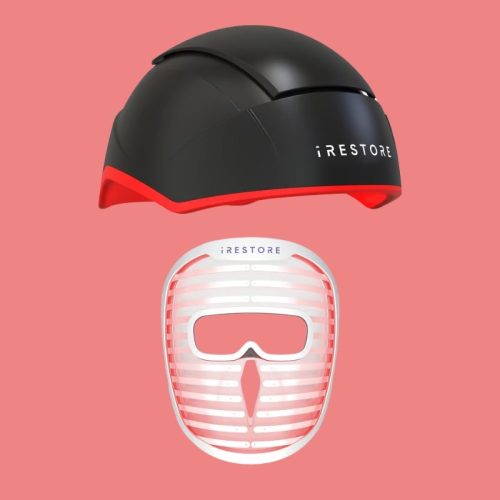
iRESTORE Elite + Face Mask Bundle
Original price was: $699.00.$474.00Current price is: $474.00. Buy From The Official Website -
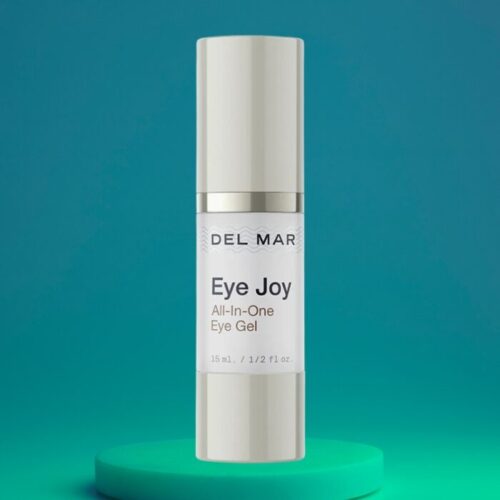
Eye Joy
$49.95 Buy From The Official Website -

PlatinumLED Red Light Therapy
$499.00 Buy From The Official Website -
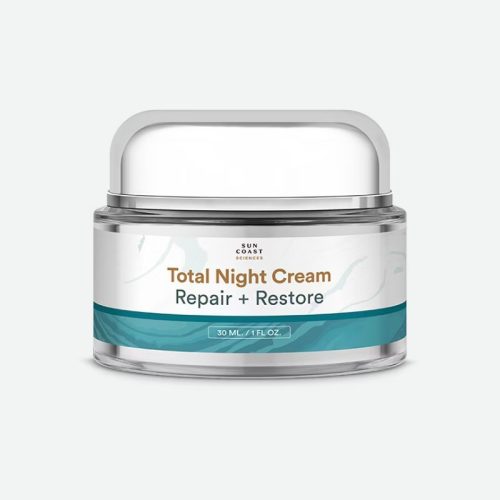
Sun Coast Sciences Total Night Cream
$43.00 Buy From The Official Website