
Unlock the secrets to stable blood sugar levels with the Blood Sugar Roller Coaster Summit! This insightful summit dives deep into the hidden connections between reactive hypoglycemia and sugar addiction. Featuring expert speakers, practical strategies, and transformative insights, this program empowers you to regain control of your health. Discover actionable tips to break free from sugar cravings and cultivate a balanced lifestyle. Perfect for anyone struggling with energy dips or cravings, this summit offers the tools you need to enhance your well-being. Choose this summit to embark on a journey toward a healthier, more vibrant life!
Description
Blood sugar regulation plays a critical role in overall health. For many individuals, symptoms such as sugar cravings, energy crashes, foggy thinking, mood swings, or erratic hunger patterns are frustrating and difficult to manage. The notion of a “blood sugar roller coaster” refers to fluctuations in blood glucose—rises after eating carbohydrates, followed by rapid drops. These swings can contribute to symptoms of reactive hypoglycemia, fatigue, metabolic stress, and can even trigger or worsen cravings for sweets.
The Blood Sugar Roller Coaster Summit is a free online event (scheduled for 2025) that claims to address these fluctuations, exploring the links between reactive hypoglycemia, sugar addiction, and metabolic health. Dozens of experts in metabolism, nutrition, and endocrinology are slated to present. This review examines the summit's proposals, the scientific evidence supporting its claims, areas of potential value, and the cautions participants should exercise.
What is the Summit?
Key Features & Format
- An online educational summit over several days: presentations, interviews, and discussions.
- Hosts and speakers include medical doctors, nutrition scientists, journalists, and researchers.
- Topics include reactive hypoglycemia, sugar addiction, blood sugar crashes (post-prandial dips), and lifestyle / nutritional/metabolic interventions.
- Free registration is available, providing access to the talks. There is usually supplementary content, as well as possibly upgrades or additional paid resources.
Promises & Objectives
- Helping attendees understand how reactive hypoglycemia might contribute to sugar cravings, mood swings, fatigue, and weight gain.
- Offering tools or strategies to stabilize blood sugar: dietary changes, lifestyle adjustments, perhaps insight into supplementation.
- Clarifying symptoms that are often misattributed or overlooked in conventional health care settings.
- Empowering participants to take proactive steps for better metabolic balance and improved energy and mood.
Scientific Background: What’s Known
To evaluate the summit’s claims, it’s useful to survey relevant scientific literature, definitions, and what is established vs what is speculative.
Reactive Hypoglycemia
- Definition: A condition where blood glucose levels drop below normal in the hours after eating a meal, especially one high in carbohydrates. Symptoms may include sweating, shakiness, hunger, dizziness, confusion, and irritability.
- Types: Early reactive hypoglycemia (within 1-2 hours) vs late (3-4 hours after meals). Some people may have exaggerated insulin responses.
- Evidence: Studies show that some individuals (particularly those with insulin resistance, prediabetes, or certain metabolic disturbances) experience greater fluctuations. Dietary composition (fiber, fat, protein) and meal timing can influence post-prandial glucose and insulin responses.
Sugar Addiction / Cravings
- The idea of “sugar addiction” is more controversial. While some research supports that sugar can activate reward pathways in the brain somewhat similarly to addictive substances, the analogy is imperfect, and many experts caution against overstating the comparison.
- Cravings are influenced by blood sugar dips, psychological reward, habit, emotional states, and more.
Blood Sugar Variability and Health
- Large fluctuations in blood glucose over time (glycemic variability) are linked to oxidative stress and may contribute to complications in people with diabetes or prediabetes.
- Stable blood sugar (through low glycemic load diets, balanced macronutrients, fiber, good sleep, physical activity) is well supported in literature to promote better metabolic health, better mood, more even energy.
What the Summit’s Speakers Likely Bring
Given the announced speakers I know about (e.g. endocrinologists, metabolism researchers, health journalists), it is probable the summit will cover:
- Real-world case studies of people with reactive hypoglycemia or “sugar crash” patterns.
- Dietary protocols: e.g. low or moderate glycemic load meals, macronutrient balance, timing of carbohydrate intake.
- Behavioral coaching: how stress, sleep, circadian rhythms affect blood sugar.
- Possibly, insight into supplementation, monitoring blood sugar (continuous glucose monitors or home testing), and possibly medical interventions where needed.
Potential Benefits of Attending
- Education & Awareness
Many people misinterpret symptoms of sugar crashes. Learning what reactive hypoglycemia is (vs. general sugar cravings or mood swings) can help one identify patterns and make informed changes. - Actionable Strategies
If the summit delivers quality content, attendees may get concrete dietary adjustments, lifestyle modifications (sleep hygiene, stress management), and perhaps tips on meal planning to stabilize blood sugar. - Access to Experts
Hearing from researchers or clinicians can demystify medical jargon and supply updated knowledge that is difficult to access in routine care. - Community & Support
Events like this often foster a sense of “you are not alone”, sharing experiences. This can be motivating for sustained change.
Critical Questions & Caveats
While educational summits are valuable, there are several concerns and limitations to consider.
Overextension of Claims
- The boundary between helpful lifestyle/nutritional advice and medical claims is often blurry. Some speakers might propose strategies that are insufficient for certain medical conditions (e.g. type 1 diabetes, severe metabolic disease) or oversell particular interventions.
- Promises about “curing sugar addiction” or completely eliminating reactive hypoglycemia may be overstated, especially for people with underlying metabolic dysfunction.
Quality of Evidence
- Many dietary or lifestyle interventions are tested in small or short-term studies. Long-term randomized controlled trials are rarer. What works in a small study may have less effect in real life due to adherence, genetic differences, lifestyle constraints, etc.
- Anecdotal testimonials are powerful but can mislead because they do not represent controlled outcomes.
Commercial & Marketing Bias
- Free summits are often lead generation tools. While the talks may be free, participants are often offered paid “upsell” packages (courses, meal plans, supplements). These upsells are sometimes where profit is made; content may be skewed to generate these sales.
- Some speakers may have conflicts of interest (selling supplement products, dietary programs) that might influence their recommendations.
Individual Variability
- Nutritional response, glucose/insulin dynamics, and metabolic health are highly individual. What works for one person may not work for another due to genetics, microbiome, age, existing metabolic health.
- Also, factors like sleep, stress, other health conditions, medication use can significantly affect blood sugar regulation.
Practical Tips for Attendees
If you choose to attend this kind of summit, or spectate the content, here are tips to get the most benefit and avoid pitfalls:
- Take Notes & Track Symptoms
Before, during, and after attending, note your own patterns: how you feel after meals, when energy drops, mood changes, cravings. This will help you evaluate which advice may apply to you. - Focus on Actionable Guidance
Look for advice that is specific and measurable: e.g. “Include at least 10-15g fiber with each meal,” “choose low glycemic index carbs”, “sleep at least 7 hours”, “test after specific meals”. - Be Skeptical of Quick Fixes
Avoid believing the idea of “resetting” metabolism in 7 days, or weight loss / energy change with minimal effort. Real change often takes consistency. - Check Credentials of Speakers
Evaluate whether speakers are medical doctors, researchers with peer-reviewed publications, or mainly marketers. Stronger credibility if recommendations are grounded in published human studies. - Watch Out for Upsells & Hidden Costs
Many summits offer “bonus packages,” supplement bundles, or programs for purchase after the free content. Read terms carefully; don’t commit financially without seeing what is included and what evidence supports the products. - Consult Professionals if Necessary
If you have prediabetes, diagnosed diabetes, metabolic syndrome, or other health conditions, talk to a qualified healthcare provider before making significant diet or supplement changes.
Evidence That Supports Some Key Claims
To anchor the summit in science, here are areas where there is good or moderate evidence:
- Meal Composition and Glycemic Load: Meals higher in protein, fiber, and healthy fats with moderate carbohydrate content tend to lead to smaller blood sugar spikes and more gradual declines.
- Continuous Glucose Monitoring (CGM): Using CGM in non-diabetic persons has shown that many people experience unexpected sugar spikes and crashes with certain foods; awareness helps adjust diet.
- Sleep and Stress Management: Poor sleep and high stress increase cortisol, which affects blood sugar regulation. Improving sleep quality has been shown to improve insulin sensitivity.
- Exercise: Both resistance training and aerobic exercise improve glucose uptake by muscles, help improve insulin sensitivity, and reduce postprandial glucose peaks.
- Weight Management: Even modest weight loss in overweight/obese individuals tends to improve glycemic control and reduce reactive insulin spikes.
What Might Be Overstated or Unverified
- Supplements: Some talks or panels may promote specific supplements (e.g. herbal blends, glucose-lowering pills). Many such supplements have limited evidence, variable quality, and sometimes safety concerns.
- “Sugar addiction” as pathology: While there is scientific interest in how sugar behaves in reward circuits, framing it as an addiction equivalent to substance dependence may simplify complex behaviors and psychosocial influences.
- Guaranteed outcomes: The notion that everyone will get rid of energy crashes or cravings permanently based on standard advice is generous; adherence, individual variation, and external factors matter greatly.
Potential Impact
If well-executed, the summit could produce several positive outcomes:
- Behavior change — attendees may adopt improved meal patterns, adjust sugar/carbohydrate intake, become more aware of their blood sugar responses.
- Early identification of metabolic issues — people noticing symptoms could seek medical evaluation earlier (for insulin resistance, prediabetes).
- Empowerment — knowledge often reduces fear, and knowing that fluctuations are partly controllable gives agency.
- Community building — creating networks of individuals sharing strategies, recipes, success stories, support.
Who Will Benefit Most and Who Should Be Cautious
Who stands to benefit:
- Individuals who notice patterns of low energy, cravings, mood dips after meals, but have not yet received diagnoses.
- People willing to experiment with diet, lifestyle, monitoring (e.g. tracking meals, maybe measuring blood sugar).
- Those comfortable distinguishing science-based advice from marketing hype.
Who should be cautious:
- Individuals with serious or diagnosed metabolic disorders (type 1 diabetes, advanced type 2, diabetic neuropathy).
- Those hoping for quick fixes rather than long-term lifestyle change.
- People susceptible to misleading marketing or vulnerable due to desperation.
- Those with limited resources who might overspend on supplements or paid programs without guarantee of benefit.
Conclusion
The Blood Sugar Roller Coaster Summit represents a valuable opportunity for education, awareness, and possibly useful dietary and lifestyle tools for people concerned about blood sugar fluctuations, energy dysregulation, and sugar cravings. Many of the ideas it promotes—balanced meals, lower glycemic load, better sleep, reduced stress—are well grounded in nutritional and metabolic research.
However, not all claims are equally supported. Attendees should approach with a critical mind, be wary of oversold promises or commercial bias, and avoid expecting overnight transformations. For those who combine the summit’s insights with actionable change, tracking of symptoms, possibly medical oversight, and consistency, the summit could serve as a strong catalyst toward better metabolic health.
Related products
-
Sale!

Actif Blood Sugar Mega Support
Original price was: $59.99.$29.95Current price is: $29.95. Buy From The Official Website -
Sale!

Sugar Sweep
Original price was: $149.00.$89.00Current price is: $89.00. Buy From The Official Website -
Sale!
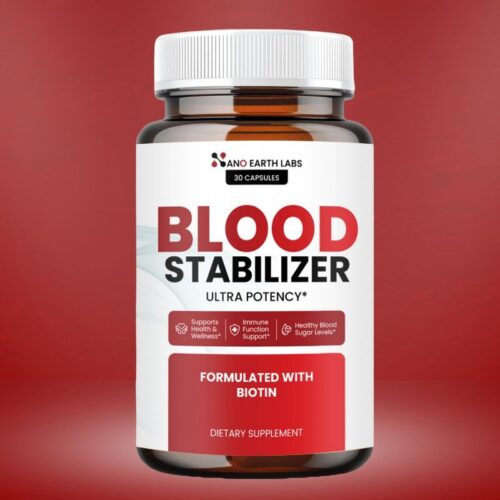
Select Nano Earth Blood Stabilizer
Original price was: $69.00.$49.00Current price is: $49.00. Buy From The Official Website -

Sugarix Glucobalance Complex
$19.95 Buy From The Official Website