$0.00
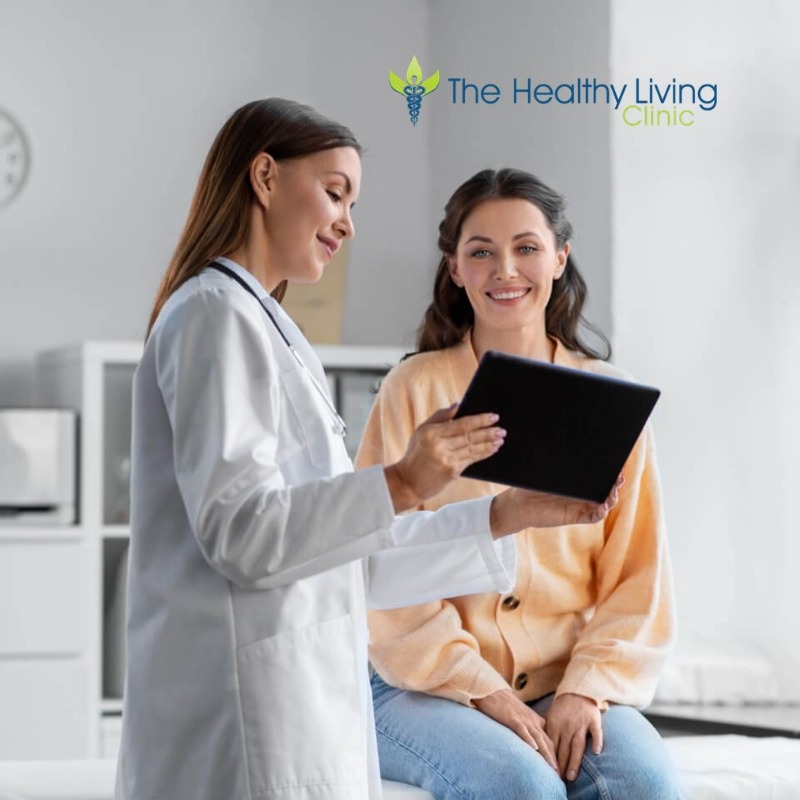
Healthy Living Clinic provides convenient online access to doctor-guided wellness and weight-management solutions designed to support healthier living. Through a simple telehealth process, individuals can complete a quick health assessment, consult with licensed medical providers, and receive personalized treatment plans delivered directly to their door. The platform focuses on modern healthcare convenience by combining virtual consultations with access to prescription therapies commonly used for metabolic and weight-management support. With a streamlined online system, Healthy Living Clinic aims to make professional medical guidance more accessible, allowing people to explore personalized wellness options from the comfort of home while supporting their long-term health goals.
Description
Over the past decade, the concept of “healthy living” has expanded beyond simply avoiding illness. Today, healthcare professionals increasingly emphasize preventive care, lifestyle medicine, and holistic well-being as essential components of long-term health. These approaches focus on helping individuals develop sustainable habits that support physical, mental, and metabolic health.
The Healthy Living Clinic represents one of many healthcare initiatives designed to address this broader view of wellness. Rather than focusing solely on treating disease after it develops, such clinics often emphasize proactive health management, including nutrition guidance, metabolic health strategies, and personalized care plans.
Modern health research increasingly shows that lifestyle factors—such as diet, physical activity, sleep quality, stress management, and social support—play a critical role in long-term health outcomes. Lifestyle medicine programs, for example, may help individuals address risk factors associated with conditions such as obesity, type 2 diabetes, cardiovascular disease, and metabolic disorders by focusing on behavioral and environmental changes rather than solely relying on medication.
Within this evolving healthcare model, clinics offering wellness-oriented services may combine medical oversight with lifestyle education, personalized treatment planning, and digital health platforms. Some programs also integrate emerging treatment approaches such as metabolic support, peptide therapies, or telehealth consultations, although these approaches should always be evaluated carefully with qualified healthcare professionals.
The Healthy Living Clinic describes itself as an online health platform designed to provide medical review and prescription approval for certain therapies when appropriate, working with partner pharmacies after physician evaluation. This model reflects a growing trend toward digital health services that allow patients to access consultations and treatments remotely.
However, as with any healthcare service—particularly those operating online—it is essential for individuals to research providers carefully, verify credentials, and consult licensed healthcare professionals before beginning any treatment program. Health decisions should always be made in collaboration with qualified medical experts.
This research article explores the broader concept behind the Healthy Living Clinic model, including its philosophy, services, potential benefits, and important considerations for patients seeking safe, evidence-based wellness care.
Understanding the Healthy Living Clinic Model
What Is a Healthy Living Clinic?
A healthy living clinic typically refers to a healthcare center or digital platform designed to support individuals in improving their overall well-being through preventive care, lifestyle modifications, and medically supervised interventions.
While specific services vary between providers, these clinics often focus on areas such as metabolic health, weight management, hormone balance, preventive medicine, nutrition counseling, behavioral health support, and personalized health programs.
Unlike traditional clinics that primarily address acute illness, lifestyle-oriented clinics aim to help patients develop long-term strategies for maintaining health and reducing disease risk.
Some clinics operate as physical medical centers, while others function primarily through telemedicine platforms that allow patients to consult healthcare professionals remotely.
According to available information, the Healthy Living Clinic platform offers a model where individuals complete health questionnaires, which are then reviewed by physicians to determine whether certain prescription therapies may be appropriate. If approved, prescriptions may be filled through partner pharmacies.
This model reflects a broader trend in healthcare toward digital health platforms and remote patient management.
However, patients should understand that online healthcare services vary widely in quality and oversight, making it essential to confirm provider credentials and regulatory compliance before engaging with any program.
The Role of Lifestyle Medicine in Modern Healthcare
Lifestyle medicine is a growing field focused on using behavioral and environmental changes to improve health outcomes and prevent chronic disease.
According to medical research and public health programs, lifestyle medicine often addresses six key pillars:
nutrition
physical activity
sleep health
stress management
substance use reduction
social connection
Programs built around these principles may help individuals improve metabolic health markers, manage body weight, and reduce risk factors associated with chronic illness.
For example, comprehensive lifestyle programs often include nutrition education, exercise planning, stress reduction strategies, behavioral therapy, health coaching, and ongoing medical supervision.
Evidence shows that lifestyle changes can significantly influence conditions such as obesity, hypertension, and metabolic syndrome when implemented consistently.
Healthy living clinics often aim to support these changes through structured programs and personalized care plans.
Services Commonly Offered by Healthy Living Clinics
While each clinic is different, many healthy living clinics offer a combination of the following services.
Preventive Health Assessments
Preventive medicine focuses on identifying health risks before they develop into serious medical conditions. These assessments may include metabolic screening, blood pressure monitoring, cholesterol evaluation, body composition analysis, and lifestyle risk assessment.
Preventive evaluations help healthcare providers identify potential health concerns early and recommend appropriate interventions.
Nutrition and Weight Management Programs
Weight management is one of the most common services offered by healthy living clinics. These programs may combine nutritional counseling, behavioral coaching, and medical supervision.
Nutrition guidance may include balanced meal planning, whole-food dietary strategies, portion control education, and personalized dietary recommendations.
Some clinics also incorporate evidence-based medical treatments when appropriate under physician supervision.
Telemedicine Consultations
Telehealth has expanded access to healthcare by allowing patients to connect with providers through digital platforms. Telemedicine consultations may include medical history review, treatment recommendations, prescription approvals, and follow-up care.
This approach is particularly useful for individuals who live in remote areas or have difficulty attending in-person appointments.
Behavioral and Lifestyle Coaching
Behavioral coaching helps patients implement sustainable lifestyle changes. Coaches may provide guidance on habit formation, goal setting, stress management, sleep hygiene, and physical activity routines.
Such programs often focus on long-term health behavior rather than short-term solutions.
Important Considerations for Patients
While healthy living clinics may offer valuable services, it is important for patients to approach any healthcare provider with informed caution.
Regulatory Oversight
Healthcare services must operate within established medical regulations to ensure patient safety.
The U.S. Food and Drug Administration has issued warning letters to certain organizations selling compounded drug products online without proper compliance, highlighting the importance of regulatory oversight in digital health platforms.
Patients should always verify that providers employ licensed healthcare professionals, comply with pharmaceutical regulations, partner with accredited pharmacies, and follow appropriate prescribing guidelines.
Website and Platform Trustworthiness
Consumers should also carefully evaluate the credibility of health websites and online clinics.
Independent security reviews of some online health platforms have reported low trust scores and potential concerns related to online retail practices, suggesting users should conduct thorough verification before sharing personal or payment information.
These findings highlight the importance of patient due diligence.
Recommended steps include verifying provider credentials, checking regulatory compliance, reviewing independent patient feedback, and consulting your primary care physician before starting treatment.
Benefits of Lifestyle-Focused Healthcare
Preventive health focus helps individuals address risk factors before they develop into chronic disease.
Personalized treatment plans allow healthcare providers to tailor programs to individual needs.
Improved patient engagement encourages individuals to take a more active role in their health.
A holistic health approach integrates physical, mental, and emotional well-being into treatment strategies.
Limitations and Risks to Consider
While lifestyle medicine programs can be beneficial, patients should be aware of potential limitations.
Program quality varies widely across clinics, making research essential.
Some wellness marketing claims may exaggerate outcomes.
Lifestyle programs should be implemented with professional medical guidance, particularly for individuals with chronic health conditions.
Tips for Choosing a Reputable Healthy Living Clinic
If you are considering a healthy living clinic, several steps may help you evaluate options safely.
Verify provider credentials and medical licenses.
Confirm the clinic partners with accredited pharmacies.
Look for transparent pricing and policies.
Avoid programs promising unrealistic results.
Read independent reviews and regulatory information.
Consult your primary care physician before starting any new treatment.
These steps can help ensure that health decisions are made with appropriate medical oversight.
The Future of Lifestyle Medicine
Healthcare is gradually shifting from reactive treatment toward preventive and lifestyle-focused care. Advances in digital health technology, wearable devices, and remote monitoring are making it easier for individuals to track and improve their health habits.
Future healthy living programs may incorporate artificial intelligence-assisted health monitoring, personalized nutrition planning, digital therapeutic programs, remote patient monitoring, and integrated mental health services.
As healthcare evolves, the integration of technology and lifestyle medicine will likely continue expanding.
Conclusion
The Healthy Living Clinic model reflects a broader movement toward lifestyle-focused healthcare and digital health services. By combining preventive medicine, telehealth consultations, and personalized wellness programs, such clinics aim to help individuals improve long-term health outcomes through proactive strategies.
Research consistently shows that lifestyle habits—including diet, physical activity, sleep, and stress management—play a critical role in maintaining health and preventing chronic disease. Programs that emphasize these factors can provide valuable guidance and support for individuals seeking to improve their well-being.
At the same time, the rise of online health services makes careful evaluation essential. Patients should verify provider credentials, confirm regulatory compliance, and consult licensed healthcare professionals before beginning any treatment.
Ultimately, sustainable health improvements come from consistent lifestyle choices supported by evidence-based medical guidance.
Healthy living is not achieved through a single program or product, but through informed decisions and daily habits that support long-term well-being.