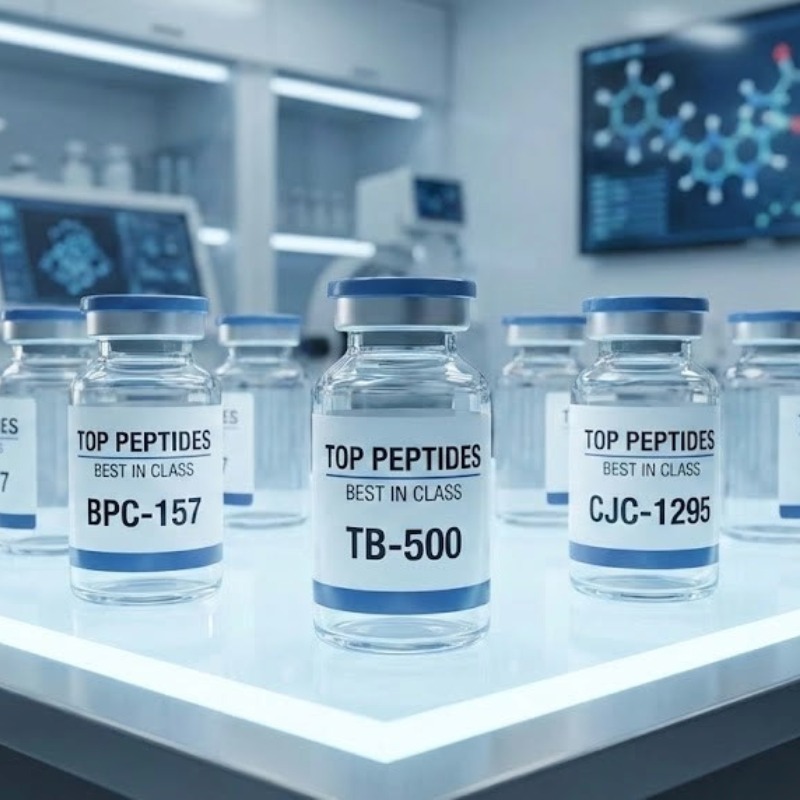
Top Peptides is an in-depth research guide exploring the most talked-about peptides in 2025, including their potential uses, emerging science, safety considerations, and growing role in wellness, recovery, metabolic health, and longevity discussions. Designed for health-conscious readers, fitness enthusiasts, and medical wellness audiences, this educational resource breaks down complex peptide topics into clear, easy-to-understand insights. Readers will discover evidence-based information on popular compounds like Semaglutide, BPC-157, Ipamorelin, and more while learning about regulatory concerns and responsible use. Perfect for anyone seeking a balanced, professional overview of modern peptide research without hype, exaggerated claims, or confusing medical jargon.
Description
Peptides have become one of the most discussed topics in modern wellness, regenerative medicine, fitness science, and aesthetic health. From anti-aging clinics to performance recovery centers, interest in peptide research has accelerated dramatically over the last few years. In 2025, the conversation surrounding peptides has expanded beyond bodybuilding culture into broader discussions about metabolic health, tissue recovery, longevity science, skin rejuvenation, and medically supervised wellness optimization.
As scientific interest grows, so does consumer curiosity. However, peptide discussions online are often filled with exaggerated claims, unverified marketing language, and misleading promises. A responsible conversation about peptides must distinguish between emerging research, FDA-approved therapies, investigational compounds, and anecdotal experiences.
This article explores the top peptides gaining attention in 2025, including their mechanisms, ongoing areas of research, potential applications, and safety considerations. The goal is not to promote peptide use or self-medication, but to provide an educational overview grounded in current scientific discussion and clinical caution.
According to recent peptide trend reports and wellness industry analyses, compounds such as BPC-157, CJC-1295, Ipamorelin, Semaglutide, Tirzepatide, TB-500, GHK-Cu, and MOTS-c continue to dominate interest in regenerative medicine and performance optimization.
Understanding Peptides and Why They Matter
Peptides are short chains of amino acids that function as signaling molecules within the body. Unlike larger proteins, peptides are smaller and often act as messengers that help regulate biological processes such as hormone release, cellular repair, metabolism, inflammation, immune function, and tissue communication.
Researchers continue to study peptides because of their highly targeted biological activity. Instead of broadly affecting entire systems like some pharmaceutical compounds, certain peptides may influence specific receptors or signaling pathways.
This targeted activity is one reason peptides have become increasingly interesting in fields such as:
- Regenerative medicine
- Metabolic health
- Sports recovery
- Skin health research
- Longevity science
- Hormone optimization
- Tissue healing investigations
However, peptide science remains complex. Some peptides are FDA-approved for limited medical uses, while many others remain investigational research compounds without large-scale human clinical validation.
Why Peptides Became So Popular in 2025
Several major trends contributed to the surge in peptide interest during 2025:
Growth of Longevity and Biohacking Culture
The longevity movement has pushed public interest toward compounds associated with cellular repair, mitochondrial support, inflammation management, and healthy aging.
Increased Focus on Metabolic Health
The popularity of GLP-1 receptor agonists dramatically increased awareness of peptides related to appetite regulation and body composition research.
Recovery and Performance Optimization
Athletes and wellness enthusiasts increasingly seek recovery-focused approaches that may support training adaptation and tissue repair.
Skin and Aesthetic Medicine
Copper peptides and collagen-signaling peptides have become increasingly common in advanced skincare formulations.
Social Media and Celebrity Influence
Online wellness influencers helped amplify peptide discussions, although experts continue to warn that many claims exceed available evidence.
Semaglutide
Among the most discussed peptides in recent years, Semaglutide gained mainstream attention due to its role in metabolic health and medically supervised weight management programs.
Semaglutide is a GLP-1 receptor agonist that mimics glucagon-like peptide-1, a hormone involved in appetite regulation and glucose metabolism.
Researchers and clinicians have studied Semaglutide for:
- Appetite regulation
- Glycemic management
- Weight reduction support
- Satiety signaling
- Metabolic health improvement
Clinical research involving GLP-1 therapies has shown significant interest in how these compounds may influence long-term metabolic outcomes under physician supervision.
Potential Side Effects and Risks
Commonly discussed side effects may include:
- Nausea
- Digestive discomfort
- Vomiting
- Fatigue
- Gastrointestinal symptoms
Medical supervision is considered essential when evaluating GLP-1 therapies because individual risk profiles vary significantly.
Tirzepatide
Tirzepatide became another major focus in peptide research due to its dual-action mechanism involving both GLP-1 and GIP receptor activity.
Researchers continue investigating Tirzepatide for:
- Body composition management
- Metabolic regulation
- Blood sugar control
- Appetite signaling
- Weight reduction support
Some studies suggest dual agonist mechanisms may influence metabolic pathways differently than single-pathway compounds.
Important Considerations
Despite growing interest, Tirzepatide should only be evaluated under licensed medical supervision. Online misuse and counterfeit sourcing remain major safety concerns in the peptide market.
BPC-157
BPC-157 is one of the most discussed investigational peptides in regenerative medicine circles. Derived from a gastric protein sequence, BPC-157 has generated attention for possible tissue-repair applications.
Researchers continue examining BPC-157 in relation to:
- Tendon recovery
- Ligament healing
- Muscle repair
- Gastrointestinal tissue studies
- Inflammation pathways
Animal studies and early experimental research have contributed to its popularity, though large-scale human clinical trials remain limited.
Regulatory Status
It is critical to note that BPC-157 is not FDA-approved for general medical use in humans. Many products sold online are labeled as research chemicals rather than regulated pharmaceutical therapies.
Risks and Concerns
Experts continue warning about:
- Product purity issues
- Unregulated sourcing
- Unknown long-term effects
- Lack of standardized dosing
- Injection-related complications
TB-500
TB-500, often associated with tissue recovery discussions, is another peptide attracting attention in sports and regenerative research communities.
Researchers have explored TB-500 in relation to:
- Cellular migration
- Tissue repair
- Flexibility support
- Muscle recovery pathways
- Injury recovery investigations
Interest in TB-500 often overlaps with discussions involving BPC-157, especially in athletic recovery conversations.
Scientific Limitations
Despite strong online popularity, experts emphasize that human clinical evidence remains limited. Much of the enthusiasm stems from animal models, anecdotal reports, and experimental observations rather than definitive clinical proof.
CJC-1295
CJC-1295 belongs to a category of peptides known as growth hormone secretagogues. These compounds are studied for their ability to influence natural growth hormone release pathways.
Research discussions surrounding CJC-1295 commonly involve:
- Recovery support
- Sleep quality
- Body composition
- Muscle maintenance
- Growth hormone signaling
Some protocols combine CJC-1295 with Ipamorelin to study synergistic effects on growth hormone pulses.
Safety Considerations
Potential concerns may include:
- Water retention
- Joint discomfort
- Hormonal disruption
- Insulin sensitivity changes
Researchers continue emphasizing the importance of physician oversight in hormone-related therapies.
Ipamorelin
Ipamorelin is another growth hormone-releasing peptide that has become increasingly popular in wellness and recovery clinics.
Researchers are interested in Ipamorelin because it may stimulate growth hormone release with potentially lower effects on cortisol and prolactin compared to older compounds.
Potential areas of investigation include:
- Recovery optimization
- Sleep support
- Lean mass maintenance
- Healthy aging research
- Exercise adaptation
Clinical Perspective
While enthusiasm surrounding Ipamorelin continues growing, responsible providers stress individualized medical evaluation and laboratory monitoring before considering peptide therapies.
GHK-Cu
GHK-Cu, also known as copper peptide, has become one of the most recognized peptides in aesthetic medicine and skincare research.
This peptide has been investigated for possible roles in:
- Skin renewal
- Collagen signaling
- Hair follicle support
- Cosmetic skin appearance
- Tissue regeneration research
Unlike many injectable peptides, GHK-Cu is commonly found in topical cosmetic products and dermatology-oriented formulations.
Why GHK-Cu Became Popular
The growing interest in non-invasive skincare and healthy aging strategies helped increase consumer awareness of copper peptide technologies.
MOTS-c
MOTS-c represents a newer category of mitochondrial-derived peptides receiving growing attention in metabolic and longevity science.
Researchers are studying MOTS-c in relation to:
- Cellular energy production
- Exercise metabolism
- Mitochondrial signaling
- Healthy aging pathways
- Metabolic flexibility
Although early findings appear promising, MOTS-c remains investigational and requires substantially more clinical validation.
AOD-9604
AOD-9604 is frequently discussed in body composition and metabolic research communities.
Scientists have explored this peptide in relation to:
- Fat metabolism pathways
- Weight management research
- Metabolic signaling
- Adipose tissue studies
Its popularity increased partly because it is often described as a modified fragment of growth hormone without some of the broader systemic effects traditionally associated with HGH therapies.
Research Limitations
Despite significant online marketing, evidence remains mixed and further human studies are necessary.
IGF-1 LR3
IGF-1 LR3 continues generating interest in performance optimization research because of its association with cellular growth pathways.
Research discussions often focus on:
- Muscle cell signaling
- Protein synthesis
- Recovery processes
- Exercise adaptation
Potential Risks
Experts continue expressing caution regarding IGF-related compounds because inappropriate use may theoretically influence abnormal cellular growth pathways.
Are Peptides Legal?
The legal status of peptides varies dramatically depending on:
- Country
- Intended use
- Regulatory approval
- Prescription status
- Research classification
Some peptides are approved medications under physician supervision, while many others remain investigational compounds sold strictly for research purposes.
Consumers should understand that many online peptide vendors operate in regulatory gray areas.
FDA and Regulatory Concerns
The FDA has increased scrutiny surrounding compounded and research peptides in recent years.
Key concerns include:
- Product contamination
- Mislabeling
- Unverified purity
- Unapproved therapeutic claims
- Unsafe manufacturing practices
Medical experts continue warning consumers against self-administering injectable research compounds purchased from unregulated online sources.
Common Risks Associated With Peptide Use
Peptides are frequently marketed as safer alternatives to traditional pharmaceuticals or anabolic compounds. However, experts emphasize that “natural” or “targeted” does not automatically mean risk-free.
Potential concerns may include:
Injection Complications
Improper injection practices may increase the risk of:
- Infection
- Tissue irritation
- Contamination
- Abscess formation
Hormonal Disruption
Growth hormone-related peptides may influence endocrine function in unpredictable ways.
Unknown Long-Term Effects
Many peptides lack large-scale, long-duration human safety studies.
Counterfeit Products
The peptide marketplace contains substantial concerns regarding:
- Fake products
- Incorrect dosing
- Contaminants
- Poor manufacturing quality
Drug Interactions
Peptides may interact with medications or pre-existing medical conditions.
The Difference Between Research Peptides and Medical Therapy
One of the biggest misconceptions online is the assumption that all peptides are medically approved therapies.
In reality, there is a major distinction between:
FDA-Approved Therapeutic Peptides
These may be prescribed under medical supervision for specific clinical indications.
Investigational Research Peptides
These compounds may still lack sufficient evidence for approved human use.
Understanding this distinction is critical for responsible decision-making.
Peptides and Anti-Aging Research
Longevity science helped propel peptides into mainstream wellness discussions.
Researchers continue investigating how certain peptides may interact with pathways associated with:
- Cellular signaling
- Oxidative stress
- Inflammation
- Tissue regeneration
- Mitochondrial health
However, anti-aging claims should always be interpreted cautiously because aging itself is highly complex and influenced by numerous biological and lifestyle variables.
Peptides in Sports and Fitness Culture
The sports performance world remains one of the largest drivers of peptide popularity.
Athletes and fitness enthusiasts commonly discuss peptides for:
- Recovery optimization
- Training adaptation
- Lean mass support
- Injury recovery
- Sleep quality
Sports organizations and anti-doping agencies continue monitoring peptide use carefully because some compounds may violate competitive regulations.
The Future of Peptide Research
The future of peptide science appears substantial. Researchers continue developing next-generation peptide therapies targeting increasingly specific biological pathways.
Areas receiving growing attention include:
- Precision medicine
- Personalized wellness
- Regenerative therapies
- Metabolic disease research
- Neurological applications
- Healthy aging science
Advanced peptide engineering may eventually allow researchers to create compounds with improved targeting and reduced side effects.
How Consumers Should Approach Peptide Discussions Responsibly
Consumers interested in peptide science should prioritize evidence-based information rather than social media hype.
Important considerations include:
- Consulting licensed healthcare professionals
- Avoiding self-prescribing injectable compounds
- Verifying product legitimacy
- Understanding regulatory status
- Recognizing the difference between research and proven treatment
Responsible education remains essential because peptide science is evolving rapidly.
Final Thoughts on the Top Peptides of 2025
Peptides represent one of the fastest-growing areas in modern wellness and regenerative research. Compounds such as Semaglutide, Tirzepatide, BPC-157, TB-500, CJC-1295, Ipamorelin, GHK-Cu, MOTS-c, AOD-9604, and IGF-1 LR3 continue generating major interest across metabolic health, recovery science, aesthetics, and longevity discussions.
At the same time, the rapid growth of the peptide industry has also created confusion, misinformation, and significant regulatory concerns. While early research surrounding certain peptides appears promising, many compounds still require extensive clinical investigation to fully understand their long-term safety, effectiveness, and appropriate medical applications.
Anyone considering peptide-related therapies should work directly with qualified medical professionals rather than relying on online marketing claims or unregulated products.
As peptide science advances through 2025 and beyond, one principle remains essential: evidence-based medicine and patient safety must remain the foundation of any responsible conversation surrounding emerging wellness technologies.