
Tretinoin Cream is a prescription-strength skincare treatment trusted for helping improve acne, refine skin texture, and reduce the appearance of fine lines, wrinkles, and uneven skin tone. Powered by tretinoin, a clinically studied retinoid derived from vitamin A, this formula promotes healthy skin cell turnover for a smoother, clearer, and more radiant-looking complexion. Available through a convenient online consultation with licensed healthcare providers, Tretinoin Cream offers personalized skincare backed by professional guidance. Whether you’re targeting breakouts, signs of aging, or discoloration, Tretinoin Cream provides a proven approach to achieving healthier-looking skin with long-term results when used as directed.
Description
Few prescription skincare ingredients have earned the level of scientific support and dermatologist trust that tretinoin has. For decades, tretinoin has been prescribed to help manage acne, improve visible signs of skin aging, and support overall skin renewal.
Today, millions of people use tretinoin cream as part of their skincare routine because it remains one of the most extensively studied topical retinoids available. Whether you’re dealing with persistent acne, fine lines, uneven skin tone, or sun-damaged skin, tretinoin may be an option worth discussing with a licensed healthcare provider.
At TretinoinCream.com, patients can connect with licensed clinicians online to determine whether prescription tretinoin or other customized skincare treatments may be appropriate for their needs.
This comprehensive guide explains what tretinoin is, how it works, potential benefits, common side effects, treatment expectations, and how to use it safely.
What Is Tretinoin?
Tretinoin is a prescription-strength topical retinoid derived from vitamin A. It belongs to a class of medications that influence skin cell turnover and renewal.
Tretinoin is available in multiple forms, including:
- Tretinoin cream
- Tretinoin gel
- Tretinoin lotion
- Brand-name formulations such as Retin-A® and others
- Generic tretinoin products
- Certain compounded formulations prescribed by healthcare providers
Unlike over-the-counter retinol products, tretinoin requires a prescription in the United States.
Retinol must undergo several conversion steps within the skin before becoming biologically active. Tretinoin is already in its active form, which contributes to its effectiveness and why it is available only under medical supervision.
How Does Tretinoin Work?
Tretinoin works by affecting how skin cells grow, mature, and shed.
Normally, dead skin cells can accumulate on the skin’s surface and inside pores. This process can contribute to:
- Acne breakouts
- Blackheads
- Whiteheads
- Uneven skin texture
- Dull appearance
Tretinoin helps increase skin cell turnover, encouraging older cells to shed and newer cells to emerge.
This process may help:
- Keep pores clearer
- Reduce acne lesions
- Improve skin texture
- Minimize the appearance of fine lines
- Support more even-looking skin tone
Over time, tretinoin can also stimulate processes associated with collagen production, which may contribute to improvements in visible signs of skin aging.
Tretinoin for Acne
One of the most common reasons people seek tretinoin treatment is acne management.
Acne develops through a combination of factors, including:
- Excess oil production
- Clogged pores
- Bacterial activity
- Inflammation
Tretinoin primarily targets the clogged pore component of acne development.
Potential benefits for acne-prone skin may include:
Reduced Blackheads and Whiteheads
Tretinoin helps prevent dead skin cells from accumulating inside pores.
Improved Skin Turnover
Faster cellular renewal can help minimize the formation of new blemishes.
Long-Term Acne Management
Many patients use tretinoin as part of an ongoing skincare plan under provider supervision.
Support for Acne Scarring Appearance
While tretinoin does not eliminate acne scars, it may help improve skin texture and the appearance of certain post-acne marks over time.
Tretinoin for Anti-Aging
Tretinoin is often considered a gold-standard prescription treatment for photoaging, which refers to visible skin changes associated with sun exposure and aging.
Common concerns addressed by tretinoin include:
- Fine lines
- Wrinkles
- Rough skin texture
- Uneven pigmentation
- Dull complexion
Research has shown that topical tretinoin may improve multiple signs of photoaged skin when used consistently as directed by a healthcare provider.
Potential benefits include:
Smoother Skin Texture
Regular use may contribute to softer, more refined-looking skin.
Improved Skin Tone
Some individuals notice a more even appearance over time.
Reduction in Fine Lines
Visible fine lines may become less noticeable with long-term use.
Enhanced Skin Renewal
Tretinoin encourages ongoing skin cell turnover and renewal.
Results vary by individual and often require several months of consistent use.
Tretinoin for Hyperpigmentation
Hyperpigmentation occurs when certain areas of skin become darker than surrounding tissue.
Common causes include:
- Acne marks
- Sun exposure
- Hormonal changes
- Inflammation
Tretinoin may be incorporated into treatment plans designed to address certain forms of discoloration.
By increasing skin turnover, tretinoin can help fade the appearance of some dark spots over time.
Providers may also recommend combination therapies that include other ingredients depending on individual goals and skin type.
Tretinoin and Melasma
Melasma is a chronic skin condition characterized by patches of discoloration, often on the face.
Many factors can contribute to melasma, including:
- Hormonal fluctuations
- Sun exposure
- Genetic predisposition
Healthcare providers sometimes include tretinoin as part of a broader melasma treatment strategy.
Management plans may also involve:
- Prescription medications
- Broad-spectrum sunscreen
- Sun-protective behaviors
- Additional topical ingredients
Melasma treatment requires individualized medical evaluation.
Understanding Tretinoin Strengths
Tretinoin is available in multiple concentrations.
Common strengths include:
- 0.025%
- 0.05%
- 0.1%
The most appropriate concentration depends on several factors:
- Skin sensitivity
- Treatment goals
- Previous retinoid experience
- Provider recommendations
A licensed clinician can help determine which strength may be suitable based on your circumstances.
How to Use Tretinoin Cream
Using tretinoin properly can improve comfort and treatment success.
Step 1: Cleanse Gently
Wash your face using a mild cleanser.
Avoid harsh scrubs or abrasive products.
Step 2: Allow Skin to Dry
Wait approximately 20 to 30 minutes after washing before applying tretinoin.
Applying tretinoin to damp skin may increase irritation.
Step 3: Apply a Small Amount
A pea-sized amount is typically sufficient for the entire face.
More product does not necessarily improve results.
Step 4: Moisturize
Many patients benefit from applying moisturizer to help support the skin barrier.
Step 5: Use Sunscreen Daily
Daily sunscreen use is essential because tretinoin can increase sensitivity to sunlight.
The Tretinoin Adjustment Period
Many people experience an adjustment period when starting tretinoin.
Common experiences may include:
- Dryness
- Flaking
- Mild redness
- Temporary irritation
Some individuals also notice an increase in breakouts during the early weeks of treatment.
This phenomenon is often referred to as “purging.”
Not everyone experiences purging, and symptoms should be discussed with a healthcare provider if concerns arise.
How Long Does Tretinoin Take to Work?
Results vary significantly from person to person.
General timelines may include:
Weeks 1–4
- Adjustment period
- Possible dryness and irritation
- Potential increase in visible breakouts
Weeks 4–8
- Early skin texture improvements
- Initial acne improvements for some users
Months 3–6
- More noticeable treatment benefits
- Improvements in acne control
- Visible skin renewal
Long-Term Use
Many patients continue tretinoin under medical guidance for ongoing skin maintenance.
Common Side Effects of Tretinoin
Like all prescription medications, tretinoin may cause side effects.
Common side effects may include:
- Dryness
- Peeling
- Redness
- Burning sensation
- Skin sensitivity
- Mild irritation
Most side effects are manageable and often improve as the skin adjusts.
Patients should consult their healthcare provider if symptoms become severe or concerning.
Who Should Avoid Tretinoin?
Tretinoin may not be appropriate for everyone.
Individuals should discuss their complete medical history with a licensed healthcare provider before beginning treatment.
Special considerations may apply to:
- Pregnant individuals
- Individuals planning pregnancy
- Breastfeeding individuals
- Those with certain skin conditions
- People using other potentially irritating topical products
A qualified clinician can help determine whether tretinoin is appropriate.
Tretinoin Cream vs Retinol
Many consumers wonder whether they should choose retinol or tretinoin.
Retinol
- Available over the counter
- Lower potency
- Often gentler
- Does not require a prescription
Tretinoin
- Prescription only
- Active retinoid form
- Extensively studied
- Often associated with greater clinical effectiveness
The best choice depends on individual goals, skin sensitivity, and provider guidance.
Tretinoin Cream vs Gel
Both formulations contain tretinoin but differ in texture and composition.
Cream
Often preferred by individuals with:
- Dry skin
- Sensitive skin
- Mature skin
Gel
Often selected for:
- Oily skin
- Acne-prone skin
Healthcare providers can recommend the most appropriate formulation.
Why Consistency Matters
One of the most important aspects of tretinoin treatment is consistency.
Many people stop treatment prematurely due to:
- Early irritation
- Slow results
- Temporary purging
However, tretinoin is generally considered a long-term treatment that often requires patience.
Following provider instructions and maintaining realistic expectations can support better outcomes.
The Importance of Sun Protection
Sun protection is essential while using tretinoin.
Recommended strategies include:
- Broad-spectrum SPF 30 or higher
- Protective clothing
- Hats and sunglasses
- Seeking shade when appropriate
Sun protection not only supports treatment success but also helps reduce future skin damage.
Online Access to Prescription Skincare
Telehealth has expanded access to dermatology-inspired skincare services.
Online evaluation may allow eligible patients to:
- Complete a medical intake
- Connect with licensed clinicians
- Receive personalized recommendations
- Obtain prescriptions when medically appropriate
Telehealth services can offer convenience while maintaining professional medical oversight.
Why Patients Choose TretinoinCream.com
TretinoinCream.com focuses on prescription skincare through a streamlined online experience.
Features highlighted across the platform include:
- Licensed clinician review
- Prescription skincare options
- Educational resources
- Multiple treatment categories
- Transparent information
- No subscription-focused model
Patients can explore treatments for acne, anti-aging concerns, hyperpigmentation, rosacea, hair-related concerns, and additional skincare needs through the platform.
Final Thoughts
Tretinoin remains one of the most researched and widely prescribed topical retinoids available today. From acne management to addressing visible signs of aging, tretinoin has earned its reputation through decades of clinical use and scientific investigation.
While results require consistency and patience, many individuals find that tretinoin becomes a foundational part of their long-term skincare routine.
Because tretinoin is a prescription medication, treatment should always begin with guidance from a licensed healthcare provider who can evaluate your individual needs, discuss potential risks and benefits, and determine whether a tretinoin-based treatment plan is appropriate.
If you’re interested in exploring prescription skincare options, TretinoinCream.com provides access to clinician-guided care and educational resources designed to help patients make informed skincare decisions.
Related products
-
Sale!
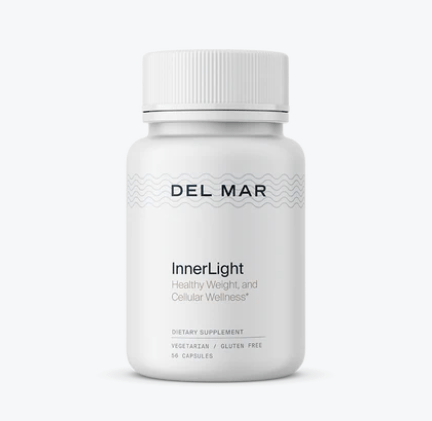
InnerLight
Original price was: $49.95.$33.00Current price is: $33.00. Buy From The Official Website -
Sale!
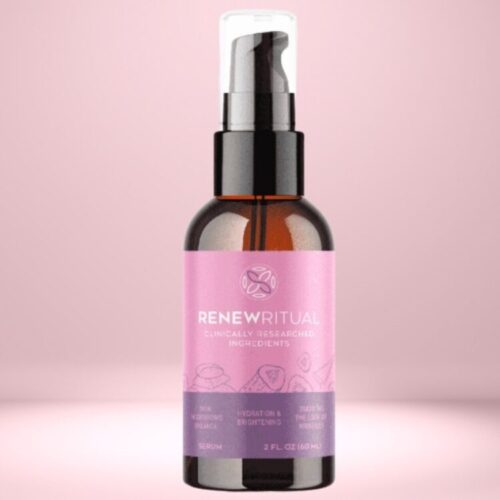
RenewRitual
Original price was: $69.00.$49.00Current price is: $49.00. Buy From The Official Website -
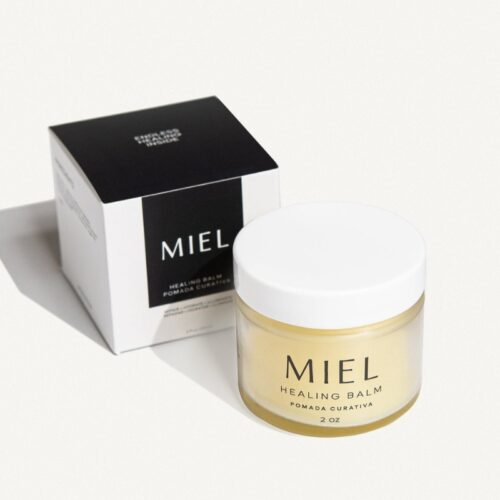
Miel Aftercare Balm
$45.00 Buy From This Official Website -
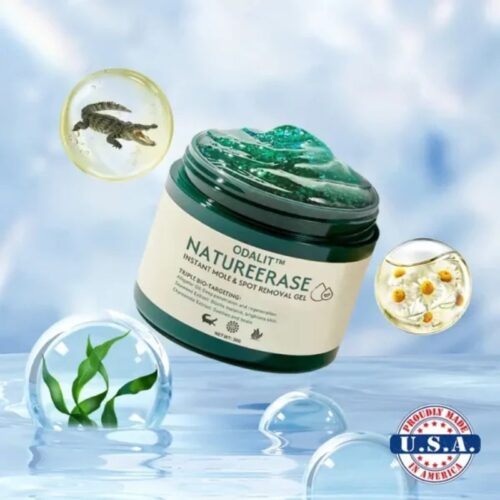
NatureErase Instant Mole & Spot Removal Gel
$14.78 Buy From The Official Website