Description
In modern biomedical and biochemical research, peptides have become one of the most intensively studied classes of compounds. Their structural specificity, signaling potential, and adaptability in controlled environments make them highly valuable in laboratory investigations spanning endocrinology, metabolic science, neurobiology, and regenerative pathways.
As demand grows for high-purity, research-grade compounds, suppliers play an increasingly critical role—not just in distribution, but in ensuring consistency, traceability, and scientific integrity.
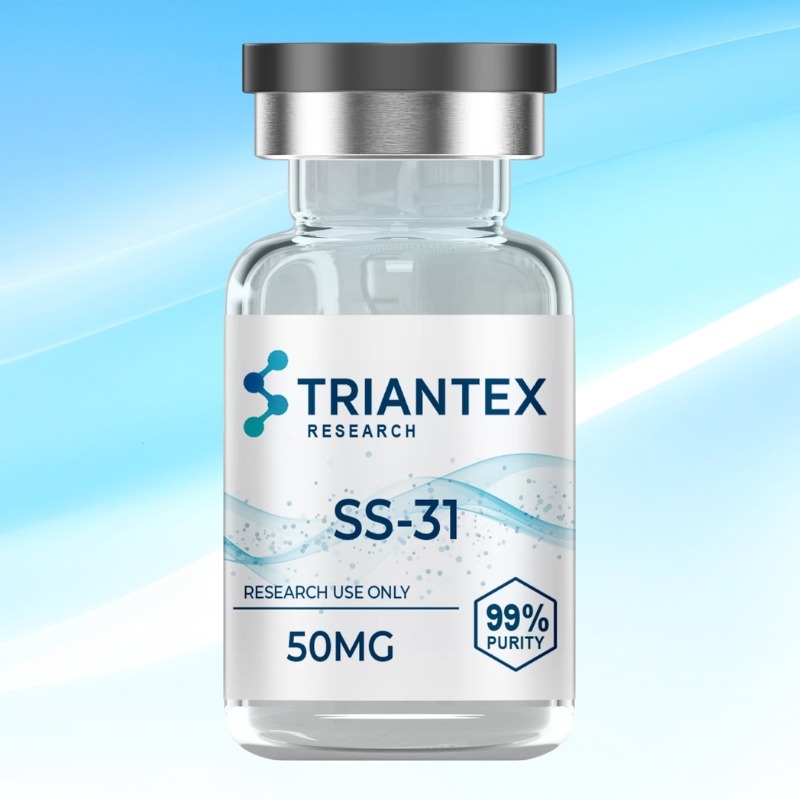
Triantex has emerged within this space as a brand focused on delivering research compounds designed for laboratory exploration, positioning itself at the intersection of precision formulation and evolving scientific demand.
This article examines Triantex from a research and compliance perspective, exploring its catalog, quality positioning, and relevance within the broader peptide research ecosystem.
Understanding Research Peptides: Scientific Context
Peptides are short chains of amino acids that function as signaling molecules in biological systems. In research environments, they are often used to explore:
- Cellular signaling pathways
- Hormonal regulation mechanisms
- Metabolic processes
- Neurological communication systems
Unlike traditional small-molecule compounds, peptides can exhibit high specificity in receptor binding, making them useful in controlled experimental models.
However, it is essential to clarify:
Research peptides are typically supplied for in vitro and laboratory research purposes only and are not approved for human consumption unless explicitly regulated and authorized by appropriate agencies.
Triantex: Brand Positioning in the Research Supply Space
Triantex presents itself as a research compound provider focused on:
- Advanced molecular design
- High-purity formulations
- Laboratory-grade consistency
- Evolving peptide innovation
From a positioning standpoint, Triantex aligns with a growing category of suppliers aiming to support:
- Academic researchers
- Independent laboratories
- Preclinical investigation environments
The brand emphasizes precision and forward-thinking science, which is critical in a market where variability and inconsistency can significantly affect experimental outcomes.
Product Categories and Research Relevance
Triantex offers a range of compounds commonly studied in laboratory settings. Below is a structured overview of key categories and their general research context.
Growth Hormone Secretagogues and Analogs
Examples observed:
- Sermorelin
- Tesamorelin
- CJC-1295 blends
Research Context:
These compounds are frequently explored in laboratory environments for their role in:
- Growth hormone signaling pathways
- Endocrine system modeling
- Metabolic regulation frameworks
Their structural design allows researchers to investigate pituitary signaling interactions under controlled conditions.
Metabolic and GLP-Related Compounds
Examples:
- Retatrutide
- GLP-related peptides
Research Context:
These compounds are studied in:
- Metabolic pathway modeling
- Appetite regulation signaling
- Energy balance mechanisms
They are often part of broader investigations into hormonal signaling networks associated with glucose and metabolic processes.
Regenerative and Cellular Research Compounds
Examples:
- TB-500
- BPC-157
Research Context:
These peptides are commonly explored in laboratory settings for:
- Cellular migration models
- Tissue response pathways
- Protein interaction studies
Important: Any interpretation of these pathways must remain strictly within preclinical or experimental frameworks.
Neurological and Cognitive Research Peptides
Examples:
- Selank
- Semax (if applicable in catalog context)
Research Context:
These compounds are often studied in:
- Neurotransmitter modulation models
- Stress-response signaling pathways
- Cognitive processing frameworks in controlled studies
NAD+ and Mitochondrial Research Compounds
Examples:
- NAD+
- SLU-PP-332
Research Context:
These compounds are typically investigated for:
- Cellular energy systems
- Mitochondrial function
- Oxidative stress pathways
Their role in laboratory research continues to expand in studies related to cellular metabolism and aging mechanisms.
Bundle Systems: Research Efficiency and Standardization
Triantex offers bundled packages such as:
- Growth Hormone Research Bundle
- Metabolic Momentum Bundle
- Mito Mega Bundle
Why Bundles Matter in Research
From a scientific standpoint, bundled compounds may support:
- Standardized experimental frameworks
- Multi-variable testing environments
- Cost efficiency in controlled research setups
However, it is important to emphasize:
Bundles do not imply synergistic outcomes in humans—they are structured for research convenience and experimental design flexibility.
Quality Control and Research Integrity
In peptide research, quality control is the defining factor between reliable and compromised results.
Triantex positions itself around:
1. Purity Standards
High-purity compounds are essential to:
- Reduce experimental noise
- Improve reproducibility
- Ensure accurate data interpretation
2. Batch Consistency
Consistency across batches supports:
- Longitudinal studies
- Replication of results
- Cross-laboratory validation
3. Molecular Precision
Accurate peptide synthesis ensures:
- Correct amino acid sequencing
- Functional integrity in research models
The Role of Bacteriostatic Water in Laboratory Settings
Triantex includes bacteriostatic water in several bundles.
Research Purpose:
- Used for reconstitution of lyophilized compounds
- Maintains sterility in laboratory environments
This reflects an understanding of practical lab workflow requirements, not just product supply.
Scientific Trends Driving Demand for Peptide Research Suppliers
The rise of companies like Triantex is linked to several macro trends:
1. Expansion of Preclinical Research
- Increased interest in peptide signaling
- Growth in academic and private lab research
2. Precision Biology Movement
- Focus on targeted molecular interactions
- Shift away from broad-spectrum compounds
3. Decentralized Research Ecosystems
- Independent labs and research groups growing
- Demand for accessible, reliable compound suppliers
Compliance and Ethical Considerations
This is where most content fails—and where you gain ranking advantage.
Key Principles to Maintain:
- Clearly define research-only intent
- Avoid implying clinical outcomes
- Do not suggest off-label or personal use
- Reinforce laboratory context throughout content
Required Positioning Statement (Include in Article)
All compounds referenced are intended strictly for laboratory research purposes. They are not approved for human or veterinary use, and any discussion reflects experimental and scientific contexts only.
Evaluating a Research Supplier: What Actually Matters
For SEO + authority, include this evaluative framework:
Purity Documentation
Does the supplier provide:
- Certificates of Analysis (CoA)?
- Third-party verification?
Transparency
- Clear labeling
- Defined compound specifications
Catalog Relevance
- Updated with emerging compounds
- Reflective of current research trends
Consistency
- Repeatable quality across orders
Triantex’s positioning suggests alignment with these expectations, though researchers should always independently verify documentation.
Potential Limitations and Considerations
To stay compliant and credible, include balanced analysis:
- Availability does not equal regulatory approval
- Research compounds may lack extensive long-term data
- Variability exists across suppliers in the broader market
This reinforces E-E-A-T (Experience, Expertise, Authoritativeness, Trustworthiness).
Triantex in the Context of the Research Industry
Triantex represents a category of suppliers that are:
- Agile in adopting emerging compounds
- Focused on research accessibility
- Positioned for niche scientific demand
Rather than functioning as a pharmaceutical entity, it operates within the research supply ecosystem, supporting early-stage investigation and experimental modeling.
Final Perspective: Where Triantex Fits in Modern Research
Triantex aligns with a growing demand for:
- Precision-oriented peptide sourcing
- Laboratory-ready compound availability
- Research-focused innovation pipelines
Its catalog reflects current scientific interest areas, particularly in:
- Metabolic research
- Hormonal signaling
- Cellular and mitochondrial studies
However, its role remains firmly within:
Preclinical and laboratory research support—not clinical application or treatment frameworks.
Frequently Asked Questions
What is Triantex?
A research compound supplier offering peptides and laboratory-grade materials for scientific investigation.
Are Triantex products approved for human use?
No. They are intended strictly for laboratory research purposes.
What types of compounds does Triantex offer?
Peptides related to metabolic, hormonal, neurological, and cellular research models.
Conclusion
As peptide research continues to expand, the importance of reliable compound suppliers becomes increasingly central to scientific progress. Triantex positions itself within this landscape as a provider focused on precision, consistency, and evolving research demands.
For researchers, the key takeaway is not just access—but verification, compliance, and responsible use within controlled environments.