Description
Memory changes are among the most common concerns discussed in modern healthcare. Adults of all ages increasingly search for natural ways to support focus, learning, recall, and long-term cognitive wellness. In recent years, one particular type of Malaysian rainforest honey—Tualang honey—has attracted growing scientific attention for its possible role in supporting memory and neurological health.
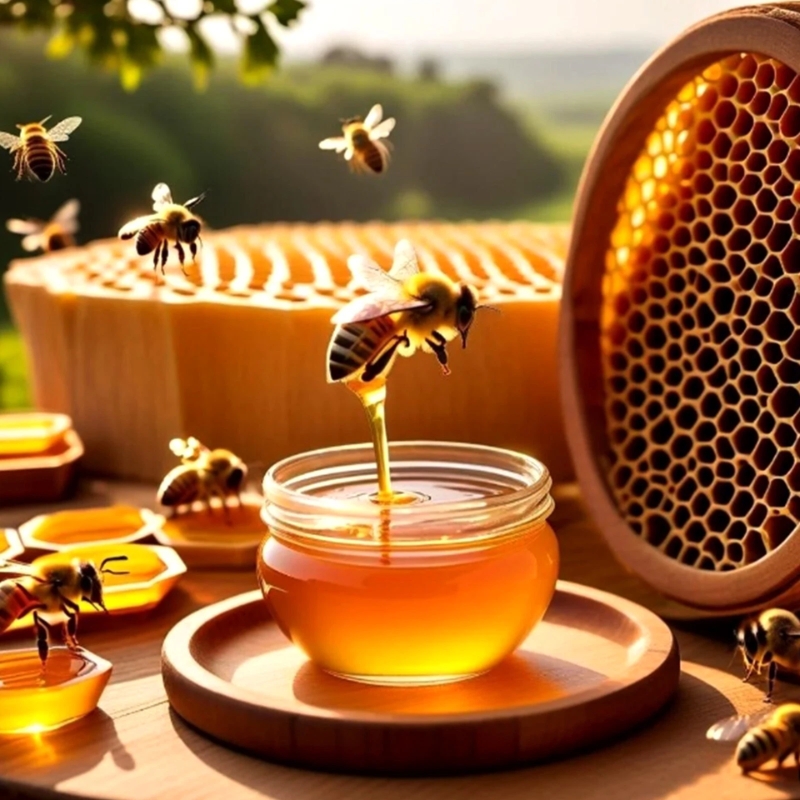
Unlike conventional processed honey, Tualang honey is a wild polyfloral honey produced by Apis dorsata bees that build massive hives on towering Tualang trees in the rainforests of Malaysia. Researchers have become interested in this honey not simply because it is nutrient-dense, but because it contains naturally occurring antioxidants, flavonoids, phenolic acids, and bioactive compounds that may influence oxidative stress and inflammation—two biological processes strongly associated with cognitive aging.
While headlines sometimes exaggerate natural health findings, the actual research on Tualang honey is more nuanced. Early studies suggest potential benefits for immediate memory, learning performance, and stress-related cognitive decline, but the evidence is still developing and should not be interpreted as proof that Tualang honey prevents or treats dementia, Alzheimer’s disease, or other neurological conditions.
For healthcare-focused readers seeking evidence-based information, the emerging science behind Tualang honey presents an interesting example of how traditional natural products are being studied within modern neuroscience.
What Is Tualang Honey?
Tualang honey is a dark-colored wild honey harvested primarily from the rainforests of Malaysia. It is named after the Tualang tree (Koompassia excelsa), one of the tallest tropical trees in Southeast Asia. Giant honeybees construct large honeycombs high in these trees, often in remote forest areas.
Researchers describe Tualang honey as a polyfloral honey because bees collect nectar from multiple plant species rather than a single floral source. This diverse botanical origin contributes to its complex biochemical profile.
Scientific analyses have identified naturally occurring compounds in Tualang honey including:
- Flavonoids
- Phenolic acids
- Organic acids
- Amino acids
- Natural sugars
- Antioxidant compounds
The honey also contains compounds such as gallic acid, caffeic acid, chlorogenic acid, syringic acid, and p-coumaric acid, which have been studied for antioxidant activity in laboratory settings.
These biochemical characteristics are one reason scientists have explored whether Tualang honey may influence brain health and cognitive function.
Why Researchers Are Interested in Memory and Cognitive Support
Memory is influenced by numerous biological factors. Scientists studying aging and cognitive health frequently focus on several mechanisms that may contribute to memory decline over time, including:
- Oxidative stress
- Chronic inflammation
- Reduced neuroplasticity
- Hormonal changes
- Sleep disruption
- Vascular dysfunction
- Chronic stress exposure
Research into Tualang honey has largely centered on whether its antioxidant and anti-inflammatory properties could help reduce some of these processes.
Importantly, most current evidence remains preliminary. Researchers consistently note that more large-scale human trials are needed before definitive conclusions can be made.
Still, several studies have produced findings significant enough to encourage continued investigation.
Clinical Trial Evidence on Tualang Honey and Memory
One of the most frequently cited human studies involved healthy postmenopausal women. In this randomized trial, participants consumed 20 grams of Tualang honey daily for 16 weeks. Researchers observed improvements in immediate memory performance compared with the control group.
However, the study did not demonstrate broad improvements across all cognitive domains, and the findings specifically related to short-term or immediate memory rather than long-term cognitive restoration.
This distinction is important because many online discussions overstate what the research actually showed.
The authors themselves framed the findings cautiously, noting that Tualang honey demonstrated potential as a cognitive-supportive nutritional intervention rather than a proven neurological therapy.
Schizophrenia-Related Cognitive Research
Another notable human study examined Tualang honey supplementation in individuals with schizophrenia, a condition commonly associated with cognitive impairment. Researchers evaluated whether Tualang honey could influence verbal learning and immediate memory performance.
The study involved 80 participants over eight weeks. Researchers reported improvements in total learning performance and immediate memory domains among those receiving Tualang honey supplementation.
Although these findings are interesting, they should not be generalized to all populations. The study focused specifically on schizophrenia patients and did not establish Tualang honey as a treatment for psychiatric or neurological disorders.
Researchers also emphasized that further clinical studies would be necessary to confirm the findings and determine optimal dosing approaches.
Animal Research and Brain Function
A substantial portion of Tualang honey research has been conducted in animal models rather than humans. These studies have explored how Tualang honey may affect learning, memory retention, oxidative stress markers, and neuronal health.
In one animal study involving cerebral hypoperfusion-induced neurodegeneration, researchers observed improved spatial learning and memory performance in rats receiving Tualang honey supplementation.
Other laboratory studies reviewed in neurological research analyses have suggested that Tualang honey may help:
- Reduce oxidative stress markers
- Support neuronal integrity
- Improve stress-related behavioral outcomes
- Preserve hippocampal structure in animal models
- Influence neuroinflammatory pathways
The hippocampus is especially relevant because it plays a major role in learning and memory formation.
Still, animal findings do not automatically translate into identical human outcomes. Laboratory research helps generate scientific hypotheses, but human clinical trials are needed to establish real-world cognitive benefits.
Possible Mechanisms Behind Tualang Honey’s Cognitive Effects
Researchers have proposed several biological mechanisms that may explain why Tualang honey has shown potential cognitive-supportive effects in early studies.
Antioxidant Activity
Oxidative stress is widely studied in relation to aging and cognitive decline. Reactive oxygen species may contribute to cellular damage in the brain over time.
Tualang honey contains naturally occurring antioxidant compounds that may help neutralize oxidative stress in laboratory settings.
Some researchers believe this antioxidant activity could partially explain the observed effects on memory and neuronal preservation in animal studies.
Anti-Inflammatory Properties
Chronic inflammation is another area of interest in neuroscience research.
Studies reviewed in scientific literature have suggested that Tualang honey may influence inflammatory signaling pathways and cytokine activity.
Because neuroinflammation is increasingly studied in cognitive aging, researchers are exploring whether nutritional compounds with anti-inflammatory properties may support long-term brain health.
Brain-Derived Neurotrophic Factor (BDNF)
Some studies have discussed the possibility that Tualang honey could influence brain-derived neurotrophic factor, commonly called BDNF. This protein is associated with neuroplasticity, learning, and neuronal communication.
However, evidence in humans remains limited, and researchers have not established a definitive causal relationship between Tualang honey supplementation and clinically meaningful BDNF enhancement.
Stress Modulation
Chronic psychological stress may negatively influence memory and concentration.
Animal research has suggested that Tualang honey may help moderate certain stress-related behavioral and biochemical changes.
Some scientists theorize that stress-related improvements could indirectly support cognitive performance in certain contexts.
Again, these findings remain exploratory rather than conclusive.
Tualang Honey and Healthy Aging
One reason Tualang honey research continues to expand is the growing global focus on healthy cognitive aging.
As populations age worldwide, researchers are increasingly studying lifestyle-based approaches that may help support mental performance over time. Nutrition is a major part of that conversation.
Several review papers have highlighted Tualang honey as a potentially promising natural product for future neuroprotective research.
However, researchers consistently caution against overstating the evidence.
At present, there is insufficient evidence to conclude that Tualang honey can:
- Prevent Alzheimer’s disease
- Reverse memory loss
- Treat dementia
- Replace medical therapies
- Cure neurological disorders
Instead, the current evidence supports continued investigation into whether Tualang honey may function as a supportive nutritional component within broader healthy lifestyle strategies.
Comparing Tualang Honey to Other Functional Honeys
Tualang honey is sometimes compared with other specialty honeys such as Manuka honey, buckwheat honey, and raw forest honeys.
The primary reason for these comparisons is antioxidant concentration.
Dark-colored honeys often demonstrate higher antioxidant activity than lighter honeys because they contain greater concentrations of phenolic compounds.
That does not necessarily mean one honey is universally “better” than another for memory support.
Different honeys vary based on:
- Floral source
- Geographic origin
- Processing methods
- Harvesting conditions
- Polyphenol composition
Current research specifically on Tualang honey remains relatively unique because several studies have directly examined neurological outcomes.
Still, researchers have not established any honey as a clinically validated memory-enhancing therapy.
Nutrition, Brain Health, and Lifestyle Context
It is important to place Tualang honey research within the larger context of brain health.
No single food or supplement has been conclusively proven to optimize memory on its own. Cognitive wellness is influenced by numerous interconnected lifestyle factors, including:
- Sleep quality
- Physical activity
- Cardiovascular health
- Stress management
- Nutrition patterns
- Social engagement
- Mental stimulation
Many healthcare professionals emphasize that nutritional strategies work best as part of a broader healthy lifestyle framework.
For example, dietary patterns rich in antioxidants, healthy fats, fiber, fruits, vegetables, and minimally processed foods are commonly associated with healthy aging and cognitive support.
Tualang honey may eventually prove useful as one small component within such approaches, but current research does not support relying on it as a standalone intervention.
Potential Benefits Beyond Memory
Some research reviews have explored additional neurological areas beyond memory alone.
Studies summarized in scientific reviews have investigated possible:
- Stress-relieving effects
- Mood-related effects
- Anxiety-related behavioral outcomes
- Neuroprotective properties
- Anti-inflammatory actions
However, most of these findings come from animal research or small preliminary studies.
More rigorous human trials are necessary before these observations can be translated into healthcare recommendations.
Safety Considerations
For most healthy adults, moderate honey consumption is generally considered safe when incorporated into a balanced diet.
However, there are important considerations.
Sugar Content
Tualang honey remains a concentrated natural sugar source. Individuals managing blood sugar concerns or metabolic conditions should consult healthcare professionals regarding dietary intake.
Allergies
People with bee-product allergies or sensitivities may experience reactions to honey products.
Product Quality
Not all honey products are identical. Adulteration, contamination, and inconsistent processing standards can affect quality and purity.
Healthcare consumers interested in specialty honeys should seek reputable sourcing and proper quality assurance practices.
Not a Substitute for Medical Care
Perhaps most importantly, Tualang honey should not replace evidence-based medical evaluation for memory concerns.
Persistent memory changes, confusion, cognitive decline, or neurological symptoms warrant professional medical assessment.
What Researchers Say About the Current Evidence
One of the most important themes across the scientific literature is caution.
Review papers repeatedly state that although findings are promising, the evidence base remains limited by:
- Small sample sizes
- Short study durations
- Variable dosing methods
- Limited long-term follow-up
- Inconsistent trial design
Researchers consistently call for:
- Larger randomized controlled trials
- Standardized dosing protocols
- Longer-term human studies
- More diverse populations
- Better mechanistic research
This cautious interpretation is essential for maintaining scientific accuracy.
Could Tualang Honey Become Part of Future Cognitive Research?
Interest in nutritional neuroscience continues to grow rapidly.
Scientists are increasingly investigating how dietary compounds influence inflammation, oxidative stress, vascular function, and neuroplasticity.
Tualang honey fits into this expanding field because of its unique biochemical profile and early cognitive research findings.
Future studies may help clarify:
- Optimal intake levels
- Long-term safety
- Which populations benefit most
- Whether effects differ by age
- How it compares with other nutritional interventions
At present, however, Tualang honey remains an emerging area of research rather than an established medical therapy.
Practical Perspective for Healthcare Readers
For readers interested in evidence-based wellness approaches, the current research suggests a balanced perspective.
The evidence does not support dramatic marketing claims that Tualang honey can “restore memory,” “reverse brain aging,” or “prevent dementia.”
At the same time, the existing research is scientifically interesting enough to justify ongoing investigation.
Human studies have shown signals of potential benefit for immediate memory and learning performance in certain populations, while laboratory research has demonstrated antioxidant and neuroprotective activity that may be relevant to cognitive health.
Those findings make Tualang honey an intriguing subject within nutritional neuroscience.
Final Thoughts on Tualang Honey for Memory
The growing interest in Tualang honey reflects a broader shift toward studying traditional natural products through modern scientific methods.
Current evidence suggests that Tualang honey may have properties relevant to cognitive wellness, particularly in areas involving oxidative stress, inflammation, and immediate memory performance.
Still, scientific integrity requires acknowledging the limits of the evidence.
The available human trials remain relatively small, and researchers themselves consistently emphasize the need for more rigorous clinical studies before firm conclusions can be made.
For now, Tualang honey may best be viewed as a promising natural food being actively explored within cognitive and neurological research—not as a proven treatment for memory disorders.
As always, individuals with ongoing memory concerns, cognitive symptoms, or neurological health questions should consult qualified healthcare professionals for personalized evaluation and guidance.