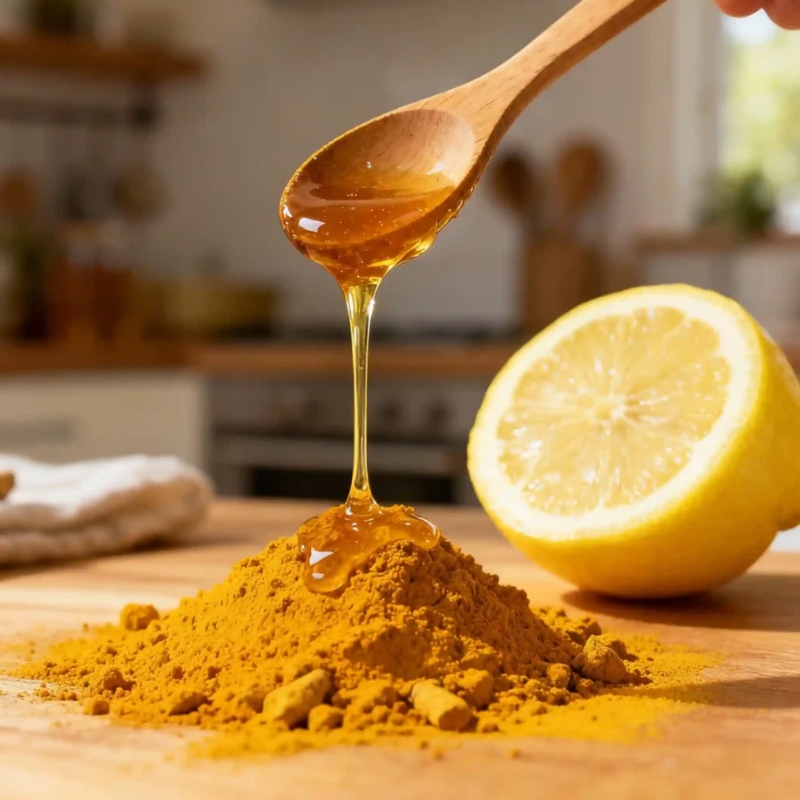
Turmeric Honey Memory is a simple yet powerful wellness blend inspired by traditional ingredients known for their nutritional value and antioxidant content. Combining golden turmeric with natural honey, this easy-to-make recipe offers a flavorful addition to your daily routine. Popular among health-conscious individuals, it is often enjoyed as part of a balanced lifestyle focused on cognitive wellness, focus, and overall well-being. Enhanced with optional black pepper for improved curcumin absorption, Turmeric Honey Memory provides a convenient way to incorporate time-honored ingredients into your day. Ideal for those seeking a natural, delicious, and versatile wellness ritual that fits seamlessly into modern living.
Description
Interest in natural approaches to cognitive wellness has grown significantly in recent years. As more people seek ways to support healthy aging, mental clarity, focus, and memory, attention has turned toward traditional ingredients that have been valued for centuries across various cultures.
Among the most discussed combinations is turmeric and honey, often referred to online as “Turmeric Honey Memory” or a turmeric honey memory recipe. This simple blend combines two ingredients with long histories of culinary and traditional wellness use: turmeric, a golden spice rich in naturally occurring compounds called curcuminoids, and honey, a natural sweetener containing a variety of antioxidant substances.
While some social media discussions make dramatic claims regarding memory enhancement, the scientific reality is more nuanced. Current evidence suggests that turmeric and honey contain compounds that may contribute to overall wellness, including antioxidant and anti-inflammatory activity, but they should not be viewed as treatments or cures for memory-related conditions.
This article examines the origins of turmeric honey memory practices, the nutritional characteristics of both ingredients, the current state of scientific research, potential benefits and limitations, and practical ways individuals may incorporate this traditional combination into a balanced lifestyle.
What Is Turmeric Honey Memory?
Turmeric Honey Memory generally refers to a mixture of raw honey and turmeric powder, sometimes enhanced with black pepper, cinnamon, ginger, lemon juice, or warm water. The concept has gained popularity through wellness blogs and social media platforms where it is often promoted as a daily ritual intended to support focus, mental clarity, and healthy cognitive function.
A common preparation includes:
- 1 tablespoon raw honey
- ¼ teaspoon turmeric powder
- A pinch of black pepper
- Optional additions such as cinnamon, ginger, or lemon
The mixture may be consumed directly from a spoon or stirred into warm water or herbal tea.
Although the recipe itself is relatively simple, the growing interest surrounding it stems from research investigating the biological activities of curcumin, turmeric’s primary active compound, alongside honey’s naturally occurring antioxidants.
The Historical Background of Turmeric and Honey
Turmeric in Traditional Wellness Systems
Turmeric has been used for thousands of years throughout South Asia. Historical records show its use in cooking, ceremonial practices, and traditional wellness systems such as Ayurveda.
Traditional practitioners often regarded turmeric as a valuable botanical for maintaining balance and supporting overall health. While historical uses should not be interpreted as proof of effectiveness, they help explain why turmeric remains widely studied today.
Honey Through the Ages
Honey has an equally impressive history. Ancient civilizations including Egyptians, Greeks, Chinese, and Romans valued honey not only as a food but also as a prized natural substance used in various traditional preparations.
Modern scientific analysis has revealed that honey contains numerous naturally occurring compounds, including flavonoids, phenolic acids, enzymes, and antioxidants that contribute to its unique properties.
The combination of turmeric and honey therefore represents a meeting of two ingredients that have each been respected across generations for their nutritional and traditional significance.
Understanding Turmeric’s Key Compound: Curcumin
One reason turmeric has attracted scientific attention is the presence of curcumin.
Curcumin is a naturally occurring polyphenol responsible for much of turmeric’s distinctive color. Researchers have investigated curcumin for its antioxidant and anti-inflammatory properties in laboratory and clinical settings.
Oxidative stress and chronic inflammation are areas of growing interest within cognitive aging research. Scientists continue to explore how dietary compounds that influence these processes may contribute to long-term wellness.
Some studies suggest that curcumin may interact with biological pathways involved in inflammation and cellular protection. However, researchers also note important limitations, including curcumin’s relatively poor absorption when consumed alone.
This challenge explains why many turmeric honey recipes include black pepper.
Why Black Pepper Is Often Added
Black pepper contains piperine, a naturally occurring compound that may improve curcumin absorption.
Research has demonstrated that piperine can significantly increase the bioavailability of curcumin, helping the body utilize it more effectively. As a result, many turmeric-based wellness recipes incorporate a small amount of black pepper.
This does not mean the combination guarantees specific outcomes. Rather, it reflects an effort to optimize the body’s ability to absorb curcumin.
Honey and Cognitive Wellness
Honey is more than a natural sweetener.
Researchers have identified a variety of antioxidant compounds in honey, including flavonoids and phenolic acids. These substances help neutralize free radicals and may contribute to the body’s natural defense systems.
Scientists studying nutrition and brain health frequently examine the role of antioxidants because oxidative stress has been associated with age-related changes in cognitive function.
While more human research is needed, honey’s antioxidant profile has contributed to ongoing interest in its potential role within broader wellness strategies.
Importantly, honey remains a form of sugar and should be consumed in moderation as part of a balanced diet.
The Science Behind Turmeric Honey Memory
Oxidative Stress and Brain Health
The brain consumes significant amounts of oxygen and energy, making it particularly vulnerable to oxidative stress.
Researchers believe that long-term exposure to oxidative stress may contribute to age-related cellular changes. Antioxidants obtained through foods may help support the body’s natural defense mechanisms.
Both turmeric and honey contain compounds that exhibit antioxidant activity, leading researchers to investigate whether these ingredients may play supportive roles within healthy dietary patterns.
Inflammation and Cognitive Wellness
Inflammation is a normal biological process. However, persistent low-grade inflammation has become an area of interest among researchers studying healthy aging.
Curcumin has been extensively examined for its interactions with inflammatory pathways. While findings remain under investigation, researchers continue exploring how dietary patterns rich in anti-inflammatory foods may contribute to overall wellness.
Neuroprotective Research
Some laboratory and animal studies have explored curcumin’s potential neuroprotective properties. These investigations have generated scientific interest, but experts caution that laboratory findings do not automatically translate into human outcomes.
Further high-quality clinical studies are needed before definitive conclusions can be drawn regarding cognitive benefits.
Potential Benefits of a Turmeric Honey Wellness Routine
Although evidence remains evolving, individuals often incorporate turmeric honey into broader wellness practices for several reasons.
Supporting a Nutrient-Rich Lifestyle
Turmeric honey can be part of a dietary pattern emphasizing whole foods, fruits, vegetables, herbs, spices, and minimally processed ingredients.
Encouraging Daily Wellness Habits
One overlooked benefit of wellness rituals is consistency. Many individuals report that a simple morning routine encourages mindfulness and healthier lifestyle choices throughout the day.
Providing Antioxidant-Rich Ingredients
Both ingredients contain naturally occurring antioxidants that may contribute to overall dietary quality.
Serving as a Functional Food Option
Turmeric honey can be incorporated into teas, smoothies, yogurt, oatmeal, and other nutrient-dense foods, making it a versatile addition to a balanced diet.
A Simple Turmeric Honey Memory Recipe
Ingredients
- 1 tablespoon raw honey
- ¼ teaspoon turmeric powder
- Pinch of freshly ground black pepper
- Optional: pinch of cinnamon
- Optional: squeeze of lemon juice
Instructions
- Place the honey in a small bowl.
- Add turmeric and black pepper.
- Stir until thoroughly combined.
- Add cinnamon or lemon if desired.
- Consume directly or mix into warm water.
Many wellness enthusiasts prefer taking the mixture in the morning as part of a consistent daily routine.
Additional Lifestyle Factors That Support Cognitive Wellness
While turmeric honey receives significant attention, research consistently points toward broader lifestyle habits as the primary drivers of long-term brain health.
Regular Physical Activity
Exercise supports circulation, cardiovascular health, and overall wellness. Numerous studies associate regular movement with healthy aging.
Quality Sleep
Sleep plays an important role in memory consolidation, learning, and overall cognitive function. Consistently obtaining sufficient sleep remains one of the most evidence-supported strategies for cognitive wellness.
Nutrient-Dense Eating Patterns
Dietary approaches emphasizing vegetables, fruits, legumes, whole grains, healthy fats, and fish continue to receive substantial scientific support.
Lifelong Learning
Reading, social engagement, hobbies, and mentally stimulating activities may contribute to maintaining cognitive vitality throughout life.
Stress Management
Chronic stress can influence concentration, focus, and overall well-being. Practices such as mindfulness, meditation, and relaxation techniques may help support mental wellness.
Common Myths About Turmeric Honey Memory
Myth 1: It Cures Memory Loss
No evidence supports claims that turmeric honey cures memory loss or neurodegenerative diseases. Such statements are not supported by current research.
Myth 2: Results Appear Overnight
Nutrition-based wellness approaches generally involve long-term habits rather than immediate transformations.
Myth 3: More Is Better
Excessive intake does not necessarily improve outcomes and may increase the likelihood of unwanted effects.
Myth 4: It Replaces Medical Care
Memory concerns, cognitive changes, or neurological symptoms should always be evaluated by a qualified healthcare professional.
Safety Considerations
Turmeric and honey are generally considered safe for most healthy adults when consumed in culinary amounts. However, some individuals should exercise caution.
Consult a Healthcare Professional If You:
- Take blood-thinning medications
- Have gallbladder disorders
- Have diabetes and need guidance regarding honey intake
- Are pregnant or breastfeeding
- Take prescription medications that may interact with supplements
Additionally, honey should never be given to infants younger than one year due to the risk of infant botulism.
What Current Research Really Suggests
Current evidence does not support viewing turmeric honey as a miracle solution for memory enhancement.
However, available research does suggest that:
- Turmeric contains curcumin, a compound with antioxidant and anti-inflammatory properties.
- Honey contains antioxidant compounds and naturally occurring phytonutrients.
- Black pepper may enhance curcumin absorption.
- Nutrient-rich dietary patterns may contribute to healthy aging and overall wellness.
Researchers continue investigating these ingredients, but further human studies are needed before strong conclusions regarding cognitive outcomes can be made.
Final Thoughts
Turmeric Honey Memory represents a fascinating intersection of traditional wisdom, modern nutritional science, and everyday wellness practices. The combination of turmeric, honey, and black pepper offers a simple, accessible way to incorporate antioxidant-rich ingredients into a daily routine.
While current evidence does not support claims that turmeric honey can prevent, treat, or reverse memory disorders, research suggests that its ingredients contain biologically active compounds worthy of continued scientific investigation. When paired with regular exercise, quality sleep, a nutrient-rich diet, stress management, and ongoing mental engagement, turmeric honey may serve as a meaningful addition to a comprehensive approach to healthy living.
For individuals interested in supporting cognitive wellness naturally, the most effective strategy remains a consistent commitment to evidence-informed lifestyle habits rather than reliance on any single food or recipe.
Medical Disclaimer
This article is for educational purposes only and does not constitute medical advice, diagnosis, or treatment. Individuals experiencing memory concerns, cognitive changes, or neurological symptoms should consult a qualified healthcare professional for personalized evaluation and guidance.
Related products
-

Healing Wave
$39.00 Buy From The Official Website -
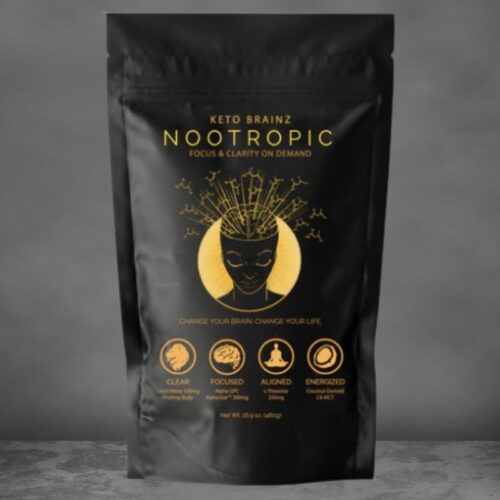
Keto Brainz Nootropics
$39.99 Buy From The Official Website -
Sale!

Twinsies 5-HTP Gummies
Original price was: $18.99.$17.09Current price is: $17.09. Buy From The Official Website -
Sale!
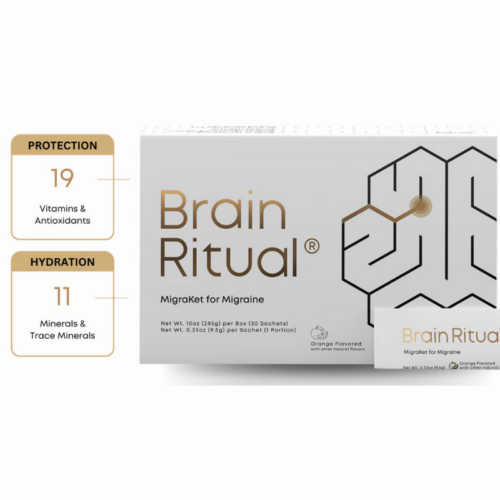
Brain Ritual
Original price was: $129.00.$99.00Current price is: $99.00. Buy From The Official Website