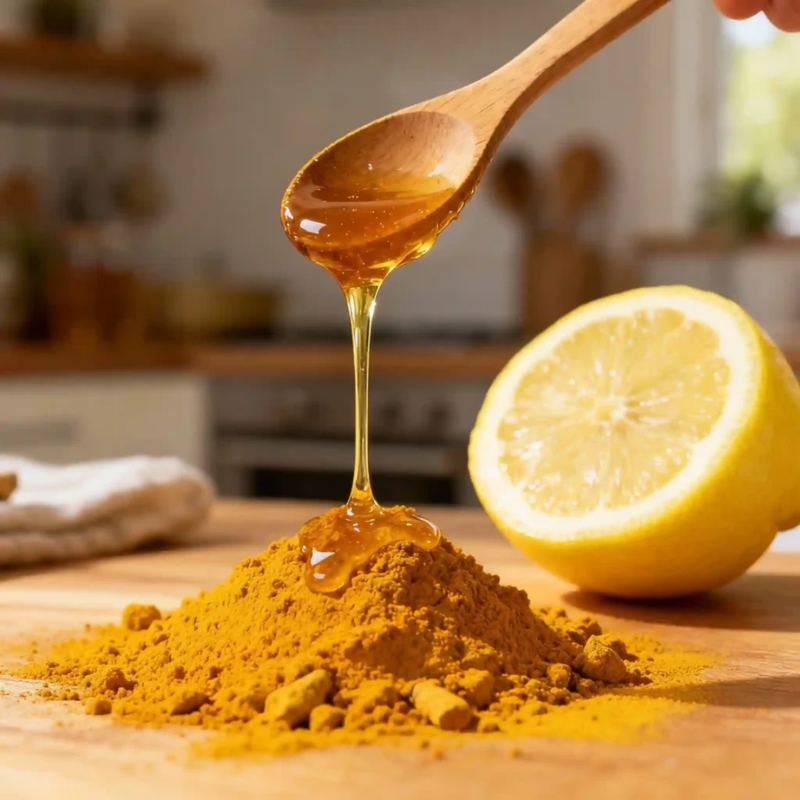
Discover the natural goodness of Turmeric Honey Memory, a simple wellness blend inspired by traditional ingredients known for their rich nutritional value. Combining turmeric, honey, and black pepper, this easy-to-use recipe offers a flavorful addition to your daily routine. Turmeric provides naturally occurring curcumin, while honey contributes antioxidants and a touch of natural sweetness. Black pepper is included to complement the blend and support ingredient synergy. Perfect for mixing into warm water, tea, or smoothies, Turmeric Honey Memory is designed for health-conscious individuals seeking a convenient way to incorporate time-honored ingredients into a balanced lifestyle focused on overall wellness and healthy aging.
Description
As people become increasingly interested in supporting long-term cognitive health, attention has shifted toward simple dietary habits that may complement a healthy lifestyle. Among the many traditional wellness practices gaining renewed interest is a blend often referred to as “Turmeric Honey Memory” — a combination of turmeric, honey, and frequently black pepper that has been used in various cultural traditions for generations.
The popularity of this golden mixture stems from growing awareness of the relationship between nutrition, inflammation, oxidative stress, and healthy aging. Researchers continue to investigate how naturally occurring compounds found in foods may contribute to overall wellness, including factors associated with brain health and cognitive performance.
While no food or beverage can guarantee protection against age-related cognitive changes, certain ingredients have attracted scientific attention because of their antioxidant and anti-inflammatory properties. Turmeric contains curcumin, a polyphenol that has been extensively studied for its biological activity. Honey, particularly minimally processed varieties, contains naturally occurring antioxidants and plant compounds that may contribute to overall health. Black pepper is frequently included because it contains piperine, a compound that may improve the body's ability to absorb curcumin.
This article examines the origins of the Turmeric Honey Memory recipe, the nutritional characteristics of its ingredients, what current research suggests about brain health, and how this traditional wellness practice can fit into a broader evidence-based approach to healthy aging.
Understanding the Turmeric Honey Memory Tradition
The concept of combining turmeric and honey is not new. Similar preparations have appeared throughout Ayurvedic traditions, folk medicine practices, and culinary cultures across Asia, the Middle East, and parts of Africa.
Historically, turmeric was valued not only as a culinary spice but also as an important component of traditional wellness systems. Honey, meanwhile, has long been prized for its preservation qualities, nutritional value, and symbolic role in health-promoting rituals.
Modern wellness communities have revived interest in these ingredients because they represent an accessible, food-based approach to self-care. Unlike highly processed products, the recipe relies on familiar kitchen ingredients that many people already have at home.
The typical Turmeric Honey Memory preparation includes:
- Raw or minimally processed honey
- Ground turmeric
- Black pepper
- Optional lemon juice
- Optional warm water or herbal tea
The combination is often consumed in the morning or added to warm beverages as part of a daily wellness routine. While the recipe is frequently discussed in relation to memory and cognitive health, its popularity also reflects a broader interest in anti-inflammatory dietary patterns.
Why Brain Health Matters Across the Lifespan
Cognitive wellness is influenced by a complex interaction of factors, including genetics, physical activity, sleep quality, cardiovascular health, education, stress management, social engagement, and nutrition.
The brain consumes a significant portion of the body's energy despite representing only a small percentage of total body weight. Maintaining healthy blood flow, stable energy availability, and protection against oxidative damage is important for supporting normal brain function throughout life.
Researchers have identified several factors associated with healthy cognitive aging:
Oxidative Stress
Normal metabolic processes generate free radicals. When free radical production exceeds the body's antioxidant defenses, oxidative stress may occur.
Oxidative stress has been studied extensively because it is associated with cellular aging throughout the body, including within the nervous system.
Chronic Inflammation
Inflammation is a normal biological response. However, long-term low-grade inflammation has been associated with various age-related health concerns.
Scientists continue investigating how dietary patterns influence inflammatory pathways and overall wellness.
Cardiovascular Health
The brain relies on healthy blood circulation. Many lifestyle habits that support heart health also appear beneficial for cognitive wellness.
Sleep Quality
Sleep plays an essential role in memory formation, learning, and neurological recovery. Poor sleep quality has been associated with reduced cognitive performance and impaired concentration.
Nutritional Status
A balanced dietary pattern provides nutrients required for normal brain function, including vitamins, minerals, healthy fats, amino acids, and protective phytochemicals.
The interest in Turmeric Honey Memory largely stems from how its ingredients fit into discussions surrounding antioxidants and dietary wellness.
Turmeric: The Golden Spice Under Scientific Investigation
Turmeric comes from the rhizome of Curcuma longa, a plant belonging to the ginger family.
For centuries, turmeric has been used in cooking and traditional wellness practices. Its bright yellow color originates from curcuminoids, a group of natural compounds that includes curcumin.
What Is Curcumin?
Curcumin is the primary bioactive compound found in turmeric.
Researchers have spent decades studying curcumin because laboratory and clinical investigations suggest it possesses antioxidant and anti-inflammatory properties.
One challenge with curcumin research is bioavailability. The body does not absorb curcumin efficiently on its own, which is one reason black pepper is frequently paired with turmeric.
Antioxidant Activity
Curcumin has been studied for its ability to interact with free radicals and support the body's natural antioxidant systems.
Scientists believe antioxidants help maintain cellular integrity by reducing oxidative stress.
Inflammation Research
Research suggests curcumin may influence multiple biological pathways associated with inflammation.
This area remains active within nutritional science because chronic inflammation is increasingly recognized as a factor in healthy aging.
Curcumin and Cognitive Wellness
Investigators have explored whether curcumin may influence factors associated with cognitive health.
While findings are promising, researchers generally agree that more large-scale human studies are needed before drawing definitive conclusions about specific cognitive outcomes.
Current evidence supports viewing turmeric as part of an overall healthy dietary pattern rather than as a standalone solution for memory concerns.
Honey: More Than a Natural Sweetener
Honey has served both nutritional and cultural roles for thousands of years.
Produced by bees from floral nectar, honey contains a complex mixture of natural sugars, enzymes, amino acids, minerals, and antioxidant compounds.
Natural Energy Source
The brain relies heavily on glucose as a fuel source.
Honey contains naturally occurring carbohydrates that can provide energy as part of a balanced diet.
Antioxidant Content
Honey contains varying levels of antioxidants depending on floral source, processing methods, and environmental conditions.
These antioxidants include:
- Flavonoids
- Phenolic acids
- Polyphenols
Researchers continue exploring how these compounds contribute to overall health.
Supporting a Balanced Lifestyle
Although honey contains beneficial compounds, it remains a source of added sugars and should be consumed in moderation.
The greatest potential value of honey may lie in its role as a minimally processed alternative to heavily refined sweeteners when used appropriately.
Why Black Pepper Is Often Included
Black pepper may seem like an unusual addition to a memory-focused recipe, but there is a scientific rationale behind its inclusion.
Black pepper contains piperine, a naturally occurring alkaloid.
Research suggests piperine may significantly improve the absorption of curcumin by slowing its breakdown in the body.
Because curcumin is absorbed relatively poorly on its own, even a small amount of black pepper may enhance bioavailability.
This is why many turmeric-based supplements and traditional recipes include black pepper alongside turmeric.
The Potential Synergy of Turmeric, Honey, and Black Pepper
Many wellness traditions emphasize combining ingredients rather than relying on a single food.
The Turmeric Honey Memory recipe reflects this concept.
Each ingredient contributes unique characteristics:
- Turmeric supplies curcumin and related compounds.
- Honey contributes antioxidants and natural sweetness.
- Black pepper may enhance curcumin absorption.
Together, these ingredients create a preparation that is easy to consume and incorporates multiple bioactive compounds within a simple recipe.
However, it is important to recognize that synergy remains an area of ongoing scientific investigation.
The presence of beneficial compounds does not automatically translate into clinically meaningful outcomes.
What Research Says About Diet and Cognitive Health
Scientists increasingly focus on overall dietary patterns rather than isolated ingredients.
Research consistently supports dietary approaches rich in:
- Vegetables
- Fruits
- Whole grains
- Legumes
- Nuts
- Seeds
- Fish
- Healthy fats
Examples include the Mediterranean diet and MIND diet.
These eating patterns have been associated with healthy aging and cognitive wellness.
Interestingly, turmeric-containing cuisines often appear within dietary traditions rich in plant-based foods and spices.
This suggests that overall lifestyle and dietary context may be just as important as any individual ingredient.
A Practical Turmeric Honey Memory Recipe
Ingredients
- 1 tablespoon raw honey
- 1/4 teaspoon turmeric powder
- Small pinch black pepper
- Optional squeeze of fresh lemon juice
Instructions
- Combine honey and turmeric in a small bowl.
- Add a small pinch of black pepper.
- Stir until smooth.
- Add lemon juice if desired.
- Consume directly or mix into warm water.
Serving Suggestions
- Stir into herbal tea.
- Add to warm milk alternatives.
- Use as a spread on whole-grain toast.
- Blend into smoothies.
Avoid adding the mixture to boiling liquids, as excessive heat may affect certain naturally occurring compounds.
Lifestyle Factors That Matter More Than Any Single Recipe
While nutritional rituals can be meaningful, brain health depends on a comprehensive lifestyle approach.
Physical Activity
Regular movement supports cardiovascular health, circulation, and overall wellness.
Sleep
Quality sleep remains one of the most important factors for memory consolidation and cognitive performance.
Mental Engagement
Learning new skills, reading, problem-solving, and maintaining curiosity contribute to lifelong cognitive stimulation.
Social Connection
Strong social relationships are consistently associated with healthy aging.
Stress Management
Chronic stress can influence both physical and mental well-being.
Mindfulness, relaxation techniques, and meaningful activities may help support resilience.
Safety Considerations
Most healthy adults can enjoy turmeric and honey in culinary amounts.
However, certain individuals should exercise caution.
Turmeric Considerations
People taking blood-thinning medications or managing specific medical conditions should consult their healthcare provider before significantly increasing turmeric intake.
Honey Considerations
Honey should not be given to infants under one year of age.
Individuals monitoring sugar intake should account for honey's carbohydrate content.
Allergies and Sensitivities
Anyone with known allergies to ingredients should avoid the recipe.
Frequently Asked Questions
Can Turmeric Honey Memory Cure Memory Loss?
No. There is no evidence that this recipe cures memory loss, dementia, Alzheimer's disease, or other neurological conditions.
Is It a Substitute for Medical Care?
No. Persistent memory concerns should always be discussed with a qualified healthcare professional.
How Often Can It Be Consumed?
Many people incorporate small amounts into their daily routine as part of a balanced diet. Individual needs vary.
Does Black Pepper Really Matter?
Research suggests piperine in black pepper may improve curcumin absorption, which is why many recipes include it.
Is Raw Honey Better?
Minimally processed honey generally retains more naturally occurring compounds than heavily processed varieties, though nutritional content varies.
Final Thoughts
The growing interest in Turmeric Honey Memory reflects a broader desire to support wellness through simple, food-based habits. Turmeric, honey, and black pepper each contain naturally occurring compounds that have attracted scientific attention, particularly in areas related to antioxidants, inflammation, and healthy aging.
While current evidence does not support viewing this recipe as a treatment for memory disorders, it can be appreciated as part of a balanced lifestyle focused on nutrition, movement, sleep, stress management, and lifelong learning.
For individuals seeking practical ways to support overall wellness, the Turmeric Honey Memory ritual offers an approachable example of how traditional food wisdom and modern nutritional science can intersect. When combined with evidence-based healthy lifestyle practices, it may serve as a meaningful addition to a broader commitment to long-term cognitive and physical well-being.
Medical Disclaimer: This article is intended for educational purposes only and does not constitute medical advice, diagnosis, or treatment. Individuals experiencing memory changes, cognitive concerns, or neurological symptoms should consult a qualified healthcare professional.