
Discover the natural wellness appeal of Turmeric Honey Memory, a comforting golden blend inspired by traditional ingredients known for their antioxidant-rich properties. Combining turmeric, raw honey, and supportive spices, this easy-to-enjoy formula is designed for individuals seeking a mindful addition to their daily routine. Its warm, soothing flavor makes it ideal for morning rituals or relaxing evening wellness moments. Turmeric Honey Memory stands out for its simple ingredient profile, traditional inspiration, and versatility as a wellness beverage or spoonful tonic. Perfect for health-conscious lifestyles, this blend supports balanced self-care habits while offering a delicious and convenient way to enjoy nature-inspired nutritional ingredients every day.
Description
Memory plays a central role in everyday life. From recalling names and appointments to staying focused during demanding workdays, cognitive performance influences how people function socially, emotionally, and professionally. As interest in natural wellness strategies continues to grow, many individuals are searching for simple, food-based habits that may support long-term brain health and mental clarity.
One traditional combination attracting renewed attention is turmeric and honey. Sometimes referred to online as the “turmeric honey memory recipe” or “golden memory blend,” this pairing has become increasingly popular among wellness communities seeking accessible ways to incorporate antioxidant-rich ingredients into daily routines. While social media trends often exaggerate outcomes, the growing interest in turmeric and honey reflects a broader movement toward nutrition-focused cognitive wellness.
At Meridian Medical Centre, we believe discussions around natural wellness should remain balanced, evidence-aware, and medically responsible. No food or beverage should be viewed as a cure for memory disorders, cognitive decline, or neurological disease. However, emerging research continues to explore how certain dietary compounds may help support overall brain function as part of a healthy lifestyle.
This article examines the science, traditional use, nutritional profile, preparation methods, and practical considerations surrounding the turmeric honey memory trend.
What Is Turmeric Honey Memory?
“Turmeric Honey Memory” generally refers to a wellness mixture made from raw honey and turmeric, often enhanced with ingredients such as black pepper, cinnamon, ginger, or lemon. The blend is typically consumed as a spoonful paste, warm beverage, or golden tonic.
The popularity of this combination stems largely from the nutritional properties of its core ingredients:
- Turmeric contains curcumin, a naturally occurring polyphenol studied for antioxidant and anti-inflammatory activity.
- Honey contains plant compounds, enzymes, flavonoids, and antioxidants that may contribute to overall wellness.
Many modern wellness recipes combine these ingredients into a daily ritual intended to support focus, clarity, and general cognitive wellness.
Importantly, these recipes should not be viewed as substitutes for medical care, neurological evaluation, or evidence-based treatment plans for memory disorders.
Why Brain Health Matters More Than Ever
Modern lifestyles place enormous demands on cognitive performance. Long work hours, digital overstimulation, chronic stress, poor sleep, highly processed diets, and reduced physical activity may all influence mental sharpness and focus over time.
Researchers continue exploring how nutrition and lifestyle patterns influence healthy aging and cognitive resilience. While no single food guarantees memory enhancement, certain dietary habits may help support brain wellness through mechanisms involving:
- Oxidative stress reduction
- Healthy circulation
- Metabolic balance
- Inflammation management
- Sleep quality
- Nutrient delivery to brain tissue
A growing number of wellness-focused recipes now center around these concepts, including turmeric honey blends.
Understanding Turmeric and Curcumin
Turmeric is a bright yellow spice derived from the Curcuma longa plant. It has been used for centuries in culinary traditions and traditional wellness systems throughout Asia.
The compound most frequently studied in turmeric is curcumin.
Curcumin and Antioxidant Activity
Oxidative stress occurs naturally in the body and may increase with aging, environmental exposures, smoking, chronic stress, poor dietary habits, and sedentary lifestyles. Scientists have investigated antioxidant-rich foods because antioxidants may help neutralize unstable molecules known as free radicals.
Curcumin has attracted scientific attention due to its antioxidant properties and potential role in supporting cellular health. Researchers continue evaluating how these mechanisms may relate to healthy aging and neurological wellness.
Although laboratory findings are promising, human outcomes remain an evolving area of research. This distinction is important when discussing turmeric for memory support.
The Role of Inflammation in Cognitive Wellness
Inflammation is a normal biological process. However, long-term low-grade inflammation has been associated with various chronic health concerns.
Some researchers are investigating how inflammatory pathways may influence aging-related cognitive changes. Curcumin has been studied for its ability to interact with inflammatory signaling pathways in laboratory settings.
Still, it is essential to understand that consuming turmeric does not diagnose, treat, prevent, or reverse neurological conditions. Dietary patterns should instead be viewed as one component of a comprehensive wellness strategy.
Honey and Brain Wellness
Honey has been valued across cultures for centuries, both as a natural sweetener and as part of traditional wellness practices.
Raw honey contains several naturally occurring compounds, including:
- Polyphenols
- Flavonoids
- Trace minerals
- Amino acids
- Antioxidants
Some researchers suggest antioxidant-rich foods may support overall brain health by helping reduce oxidative stress exposure.
Additionally, honey provides carbohydrates, which the brain uses as an energy source. Balanced glucose availability is important for normal cognitive function, concentration, and alertness.
However, honey remains a sugar-containing food and should be consumed mindfully, especially by individuals monitoring blood sugar intake.
Why Turmeric and Honey Are Often Combined
The turmeric honey combination is popular partly because the ingredients complement each other in flavor and nutritional profile.
Honey helps soften turmeric’s earthy bitterness, making it easier to consume consistently. Some wellness advocates also believe honey acts as a supportive carrier ingredient within the mixture.
Many recipes additionally include black pepper because it contains piperine, a compound often discussed in relation to curcumin absorption. Curcumin naturally has relatively low bioavailability, meaning the body may absorb limited amounts when consumed alone.
Adding black pepper has been widely discussed in wellness and nutrition communities as one strategy to enhance curcumin utilization.
The Traditional Appeal of Golden Wellness Recipes
Turmeric-based drinks and tonics are not entirely new trends. Golden milk and herbal honey preparations have existed for generations in traditional food cultures.
Modern “memory recipes” represent a contemporary adaptation of these older traditions. Social media has accelerated awareness of these combinations, although online claims often extend beyond available scientific evidence.
Responsible wellness discussions should distinguish between:
- Traditional culinary practices
- Preliminary scientific research
- Established medical evidence
This distinction helps consumers make informed decisions without unrealistic expectations.
A Simple Turmeric Honey Memory Recipe
Below is a balanced wellness-oriented version commonly discussed online.
Ingredients
- 1 tablespoon raw honey
- 1/4 teaspoon turmeric powder
- Small pinch of black pepper
- Optional: pinch of cinnamon
- Optional: squeeze of fresh lemon juice
- 1 cup warm water or herbal tea
Preparation
- Warm the water gently without boiling.
- Add turmeric and stir thoroughly.
- Mix in black pepper and optional cinnamon.
- Allow the mixture to cool slightly before adding honey.
- Stir until fully blended.
Many people prefer consuming the mixture in the morning as part of a mindful wellness routine.
Why Temperature Matters
Excessive heat may alter some naturally occurring compounds in raw honey. For this reason, many recipes recommend using warm rather than boiling liquids.
This preparation approach is commonly mentioned in wellness recipes focused on preserving flavor and ingredient integrity.
Additional Ingredients Often Included
Different variations may include supportive culinary ingredients such as:
Cinnamon
Cinnamon is widely used in wellness beverages for flavor and antioxidant content.
Ginger
Ginger is commonly incorporated into functional beverages and herbal preparations.
Lemon
Lemon adds acidity and brightness while contributing vitamin C.
Herbal Teas
Some individuals mix turmeric honey blends into chamomile, green tea, or ginger tea.
These additions primarily enhance taste and overall nutritional variety rather than transform the recipe into a medical intervention.
The Importance of Lifestyle Factors
Nutrition alone cannot compensate for chronic sleep deprivation, unmanaged stress, inactivity, or poor dietary patterns.
Research consistently supports broader lifestyle foundations for healthy cognitive aging, including:
- Regular physical activity
- Social engagement
- Balanced nutrition
- Quality sleep
- Stress management
- Blood pressure control
- Smoking avoidance
- Mental stimulation
Turmeric honey recipes may fit into these broader wellness habits but should not replace them.
What Current Research Suggests
Scientific interest in curcumin, antioxidants, and nutritional neuroscience continues expanding. Researchers are exploring how food compounds interact with:
- Oxidative stress pathways
- Cellular signaling
- Metabolic regulation
- Brain aging mechanisms
However, most available studies involve:
- Laboratory models
- Animal research
- Concentrated supplement forms
- Small human trials
This means caution is necessary when translating findings into broad health claims.
Importantly, turmeric used in cooking contains lower curcumin concentrations than specialized supplements studied in clinical settings.
Avoiding Exaggerated Claims
Consumers should be cautious about online content promising:
- “Instant memory improvement”
- “Alzheimer’s reversal”
- “Brain detox”
- “Guaranteed cognitive enhancement”
- “7-second memory hacks”
These types of statements often exceed available scientific evidence and may create unrealistic expectations.
Responsible wellness guidance emphasizes that nutrition supports overall health but does not replace individualized medical evaluation.
Who Should Speak With a Healthcare Professional First?
Certain individuals should consult a qualified healthcare provider before regularly consuming concentrated turmeric mixtures or supplements, including those who:
- Take blood-thinning medications
- Have gallbladder conditions
- Manage diabetes
- Are pregnant or breastfeeding
- Experience digestive sensitivity
- Have known allergies to ingredients
Honey should also never be given to infants under one year of age.
Food-Based Wellness vs. Supplement Marketing
There is an important difference between:
- Using turmeric as a culinary ingredient
- Taking concentrated high-dose curcumin supplements
Supplements may contain significantly larger quantities of active compounds and may interact differently with medications or health conditions.
At Meridian Medical Centre, we encourage patients to evaluate supplement use carefully and discuss concerns with licensed healthcare professionals.
Why Wellness Rituals Matter Psychologically
Part of the appeal of turmeric honey rituals may extend beyond nutrition alone.
Mindful daily habits can encourage:
- Hydration
- Slower morning routines
- Intentional eating patterns
- Reduced stress
- Greater consistency in self-care behaviors
Sometimes the ritual itself contributes positively to a person’s sense of well-being and focus.
The Gut-Brain Connection
Researchers increasingly study the relationship between digestive health and cognitive wellness, often referred to as the gut-brain axis.
Dietary diversity, fiber intake, hydration, and overall nutritional quality may all influence this connection.
Turmeric, ginger, honey, and herbal ingredients frequently appear in wellness practices centered around digestive support and mindful nutrition.
While more research is needed, the gut-brain relationship remains an important emerging field in preventive wellness discussions.
Can Turmeric Honey Replace Medical Care?
No.
Persistent memory concerns, confusion, cognitive changes, or neurological symptoms should always be evaluated by qualified healthcare professionals.
Potential causes of cognitive symptoms may include:
- Medication effects
- Sleep disorders
- Nutrient deficiencies
- Hormonal changes
- Stress and anxiety
- Neurological conditions
- Cardiovascular concerns
Natural wellness recipes should never delay professional medical assessment.
Creating a Brain-Supportive Lifestyle
For individuals interested in long-term cognitive wellness, evidence-informed habits may include:
Prioritizing Sleep
Sleep plays a major role in memory consolidation and mental restoration.
Staying Physically Active
Movement supports circulation, cardiovascular health, and overall wellness.
Managing Chronic Stress
Meditation, mindfulness, breathing exercises, and restorative routines may support emotional resilience.
Eating Nutrient-Dense Foods
A balanced dietary pattern rich in vegetables, fruits, healthy fats, lean proteins, and whole foods remains foundational.
Staying Socially Connected
Social engagement is consistently associated with healthy aging outcomes.
Challenging the Brain
Reading, learning, problem-solving, and mentally stimulating activities help maintain cognitive engagement.
Turmeric honey blends may complement these broader habits as part of a balanced wellness lifestyle.
A Balanced Perspective on Turmeric Honey Memory
The growing popularity of turmeric honey memory recipes reflects increasing public interest in nutrition-based wellness strategies. While scientific research surrounding turmeric, antioxidants, and brain health continues evolving, current evidence does not support exaggerated claims or miracle-style marketing.
Still, many people enjoy incorporating turmeric and honey into mindful routines because:
- The ingredients are familiar and accessible
- The recipe is simple
- The flavor is comforting
- The ritual encourages wellness awareness
- The ingredients contain antioxidant-rich compounds
When approached responsibly, turmeric honey beverages can serve as part of a broader lifestyle centered on healthy aging, balanced nutrition, and preventive wellness habits.
Final Thoughts
Turmeric Honey Memory is best viewed not as a cure or guaranteed brain enhancer, but as a wellness-focused nutritional ritual grounded in traditional ingredients and growing scientific curiosity.
The combination of turmeric, honey, black pepper, and supportive spices may provide antioxidant-rich nutritional value while encouraging consistent self-care habits. However, no single recipe replaces comprehensive healthcare, healthy lifestyle practices, or individualized medical guidance.
At Meridian Medical Centre, we support evidence-aware conversations that empower individuals to make informed wellness choices responsibly and realistically.
As always, individuals experiencing significant memory concerns, cognitive changes, or neurological symptoms should seek professional medical evaluation for personalized care and guidance.
Medical Disclaimer
This article is for educational and informational purposes only and should not be interpreted as medical advice, diagnosis, or treatment. Statements regarding foods, ingredients, or wellness practices have not been evaluated as treatments for medical conditions. Always consult a qualified healthcare professional before making significant dietary or supplement changes, especially if you have underlying medical conditions or take prescription medications.
Related products
-
Sale!
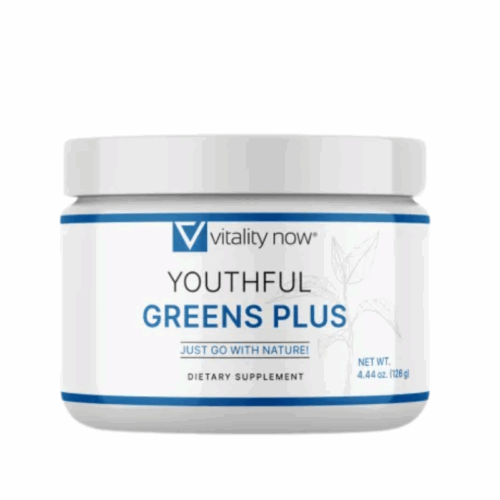
Youthful Greens Plus
Original price was: $79.00.$49.00Current price is: $49.00. Buy From The Official Website -
Sale!
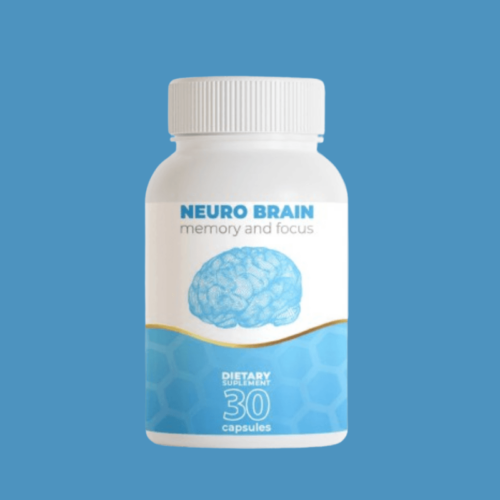
Neuro Brain
Original price was: $69.00.$49.00Current price is: $49.00. Buy From The Official Website -
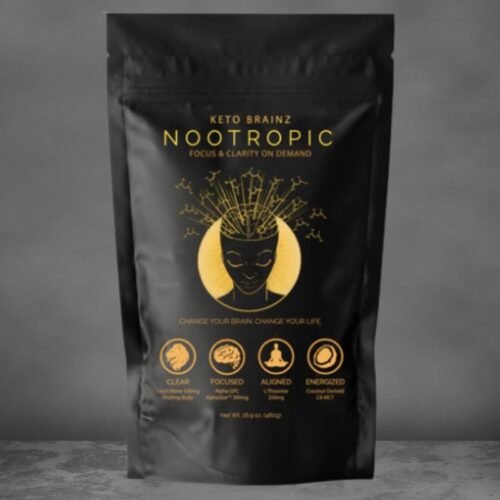
Keto Brainz Nootropics
$39.99 Buy From The Official Website -

30-Second Nigerian Nut Tonic
Buy From The Official Website