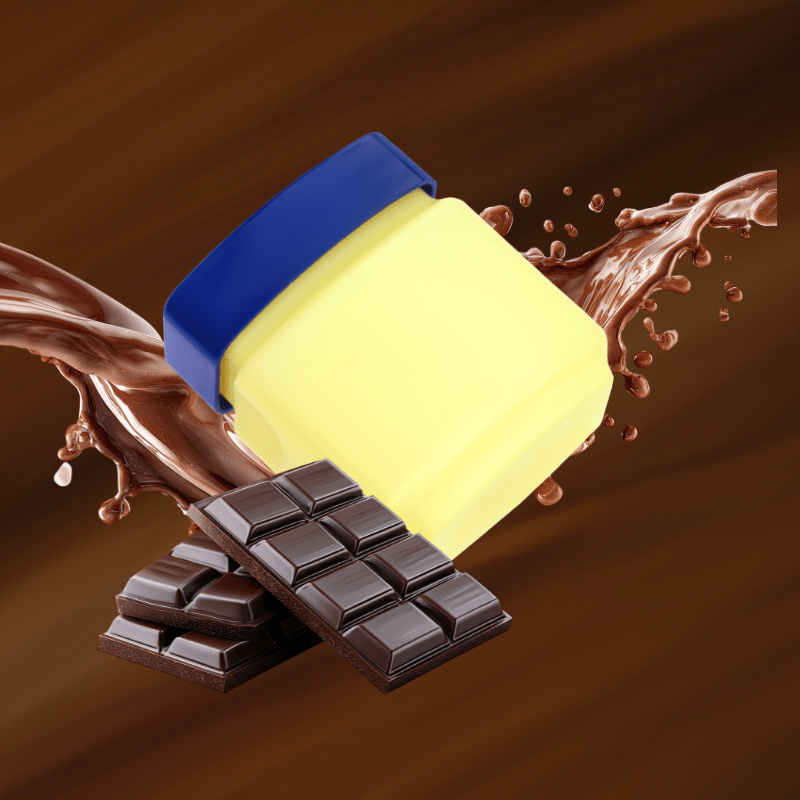
Vaseline with Chocolate for Men is a rich, deeply hydrating moisturizer designed to keep skin smooth, protected, and refreshed throughout the day. Infused with a subtle chocolate scent, it delivers long-lasting moisture while adding a warm, masculine touch to your grooming routine. The advanced petroleum jelly formula helps lock in hydration, soothe dry or rough areas, and support healthier-looking skin without feeling greasy. Ideal for daily use on hands, elbows, face, or body, it’s perfect for men who want simple, effective skincare. Choose this unique blend for reliable protection, comfort, and a distinctive scent that sets you apart.
Description
Internet health trends often begin with something simple. A common household item. A kitchen ingredient. A bold promise. Then a short video or blog post ties them together and suggests that an everyday combination can unlock dramatic results. One recent example circulating across various platforms is the mixture of Vaseline and chocolate, sometimes promoted specifically “for men.”
The claims vary. In some versions, the mixture is framed as a skin-enhancing moisturizer. In others, it is promoted with suggestions of improved masculinity, stamina, or performance-related benefits. The messaging often blends skincare language with exaggerated physiological implications, creating confusion about what the mixture can realistically accomplish.
This article takes a careful, research-oriented look at the concept of Vaseline mixed with chocolate. It separates cosmetic science from viral marketing, evaluates what each ingredient actually does, and clarifies where claims cross the line from harmless DIY experimentation into biologically unsupported territory.
Understanding Vaseline: What Petroleum Jelly Actually Does
Vaseline, or petroleum jelly, is one of the most widely used occlusive moisturizers in dermatology. It has been used for more than a century to protect and hydrate the skin. Its primary function is not to add moisture but to prevent moisture loss.
When applied to the skin, petroleum jelly forms a barrier that reduces transepidermal water loss. In simple terms, it locks in existing hydration. This makes it highly effective for:
- Protecting dry or cracked skin
- Supporting wound healing by maintaining a moist environment
- Preventing chafing
- Acting as a protective barrier against irritants
Vaseline is considered safe for topical use on intact skin. It is non-comedogenic in most cases and rarely causes allergic reactions. However, it does not contain active ingredients that stimulate collagen production, increase blood flow, alter hormone levels, or affect systemic physiology.
Its role is protective and moisturizing—nothing more.
Chocolate as a Topical Ingredient: What the Science Says
Chocolate, particularly dark chocolate or cocoa derivatives, contains antioxidants known as flavonoids. These compounds can help neutralize free radicals when consumed orally. In the context of skincare, cocoa butter—derived from cocoa beans—is sometimes used in lotions and creams because of its emollient properties.
However, it is important to distinguish between consuming cocoa and applying chocolate to the skin. When eaten, cocoa flavonoids may exert antioxidant effects internally. When applied topically in raw or melted form, the bioavailability and absorption of those compounds are limited.
Chocolate itself is not a clinically validated dermatological treatment. It may provide mild moisturizing or sensory benefits, especially if cocoa butter is involved, but it does not fundamentally alter skin physiology.
Moreover, typical household chocolate products often contain sugar, dairy solids, and additives that are not designed for skin application. These components can increase the risk of clogged pores or irritation, particularly in sensitive areas.
The Combined Mixture: Cosmetic or Something Else?
When Vaseline and chocolate are mixed, the resulting substance is essentially a barrier ointment with added scent, color, and texture changes. The petroleum jelly retains its occlusive properties. The chocolate contributes fragrance and potentially minor emollient characteristics if cocoa butter is present.
From a purely dermatological standpoint, the mixture may:
- Soften dry skin temporarily
- Create a smoother surface appearance
- Add shine or gloss
- Provide a distinctive scent
These effects are cosmetic. They do not extend beyond surface-level hydration and aesthetic enhancement.
Claims suggesting that this mixture enhances masculinity, boosts performance, or increases physiological function are not supported by established medical science. Topical application of petroleum jelly and chocolate does not influence hormonal pathways, circulation dynamics in a systemic way, or structural tissue changes beyond temporary surface effects.
The Performance Claim Problem
One reason this trend gained attention is the framing around “for men.” In some variations of the narrative, the mixture is promoted with implications that it enhances endurance, firmness, or other performance-related attributes. These suggestions often rely on vague language rather than explicit physiological mechanisms.
There is no credible scientific evidence that applying Vaseline mixed with chocolate alters systemic performance outcomes. Skin-level moisturization does not translate into internal functional changes. Any perceived benefit in those contexts is likely psychological or related to temporary surface lubrication rather than measurable biological transformation.
It is also worth noting that petroleum jelly is sometimes used as a lubricant. However, even in that context, it carries considerations regarding compatibility and safety, especially with certain materials. That discussion is separate from the broader performance claims often implied in viral content.
Why Trends Like This Spread
The popularity of DIY mixtures is not accidental. Several psychological factors contribute to their spread.
First, accessibility increases credibility. When a solution involves common household items, it feels approachable and low-risk. Second, the novelty factor encourages experimentation. A simple twist on a familiar product can generate curiosity and social sharing. Third, the language of “natural” or “homemade” solutions often resonates with audiences skeptical of commercial products.
However, viral popularity does not equal scientific validation. Many trends thrive on anecdotal testimony rather than controlled evidence. Short-form content rarely explores biochemical plausibility or dermatological research.
Potential Risks and Considerations
While mixing Vaseline and chocolate is unlikely to cause serious harm when applied to intact skin, there are practical concerns to consider.
Sugar content in standard chocolate may promote bacterial growth if left on the skin for extended periods. Fragrance compounds in flavored chocolates could trigger irritation in sensitive individuals. The mixture may stain clothing or bedding. If applied to delicate areas, irritation risk increases.
For individuals with acne-prone skin, adding chocolate components to an occlusive base may increase the likelihood of clogged pores.
From a hygiene standpoint, products not formulated for skincare lack preservative systems designed to prevent microbial contamination. Storing homemade mixtures without proper care could introduce additional risks.
Separating Cosmetic Use from Exaggerated Claims
It is important to distinguish between harmless cosmetic experimentation and exaggerated performance narratives.
If someone chooses to mix Vaseline with cocoa butter or unsweetened chocolate purely for skin hydration or fragrance preference, the result is essentially a customized moisturizer. The benefits are limited to what petroleum jelly already provides: moisture retention and surface smoothing.
However, once claims extend into systemic enhancement or performance improvement, the mixture steps beyond cosmetic territory into unsupported assertion.
Skin application cannot meaningfully influence hormone production or metabolic pathways in a way that alters masculine performance metrics. Biology does not respond to topical cocoa exposure with internal amplification.
What Evidence-Based Skincare Looks Like
For individuals interested in improving skin texture, elasticity, or hydration, dermatology offers well-researched options. Ingredients such as retinoids, hyaluronic acid, ceramides, and vitamin C have documented roles in skin health. These formulations undergo stability testing, concentration control, and safety evaluation.
For broader health or performance concerns, evidence-based approaches include exercise, sleep optimization, stress management, balanced nutrition, and medical consultation when appropriate. No topical household mixture replaces systemic health practices.
Final Assessment
Vaseline with chocolate is best understood as a cosmetic DIY experiment rather than a transformative solution. Petroleum jelly functions as an effective occlusive moisturizer. Chocolate may contribute scent and minimal emollient qualities if cocoa butter is present. Beyond that, the mixture does not possess clinically supported physiological effects.
Claims suggesting performance enhancement or systemic benefits lack scientific backing. The skin’s barrier function prevents meaningful metabolic influence from such combinations. At most, users may experience temporary smoothness and hydration.
As with many viral trends, the appeal lies in simplicity and accessibility. But biological systems are complex, and meaningful change rarely comes from surface-level application alone.
If used purely as a moisturizer variation and with attention to hygiene and skin sensitivity, the mixture is unlikely to cause significant harm. However, expectations should remain grounded in dermatological science rather than social media enthusiasm.
Related products
-
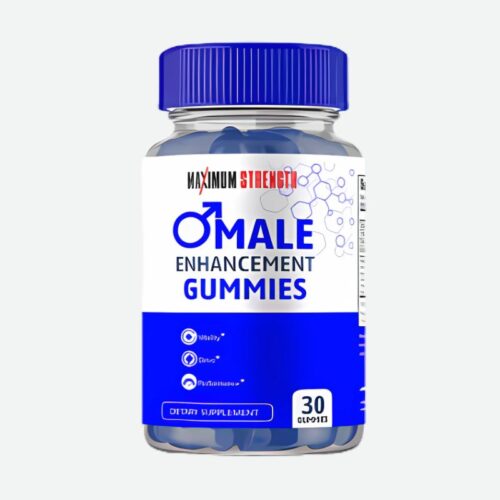
Maximum Strength Male Enhancement Gummies
$39.99 Buy From The Official Website -
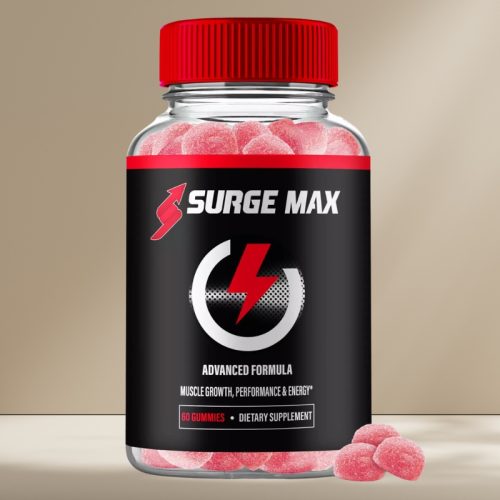
Surge Max
$19.95 Buy From The Official Website -
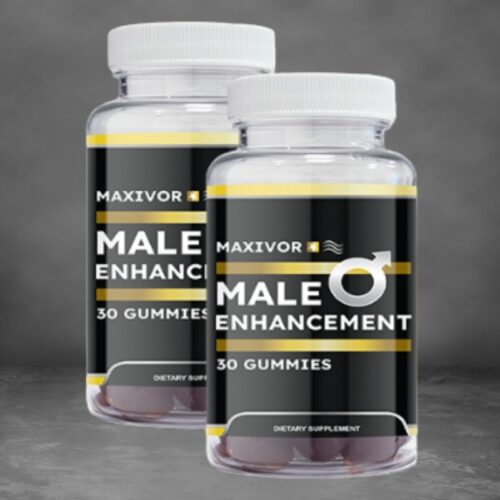
Maxivor Gummies
$39.99 Buy From The Official Website -
Sale!
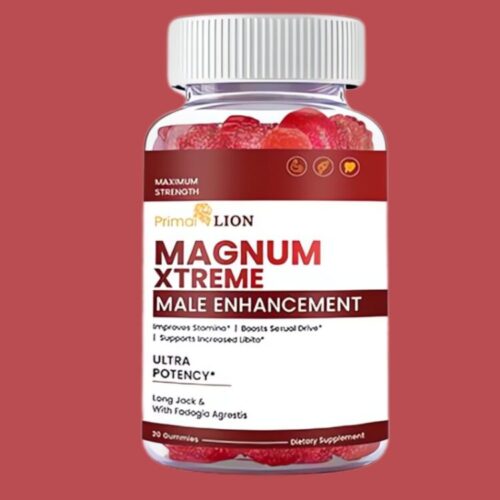
Primal Lion Magnum Extreme Gummies
Original price was: $69.00.$49.00Current price is: $49.00. Buy From The Official Website