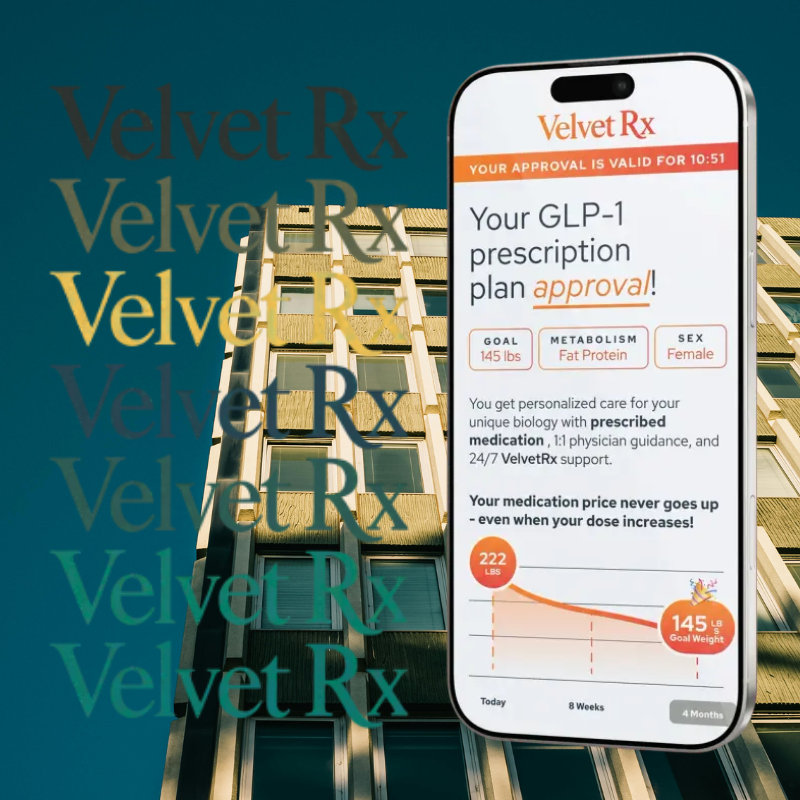
Experience the perfect blend of luxury and clinical effectiveness with Velvet Rx. Designed for those who refuse to compromise on quality, our innovative wellness solutions are crafted to deliver transformative results while elevating your daily routine. Velvet Rx combines premium, scientifically-backed ingredients with a touch of elegance, ensuring your health journey feels as good as it looks. Whether you’re looking to revitalize your vitality or optimize your wellness goals, our products offer a sophisticated, reliable path to success. Choose Velvet Rx to experience a new standard in care – where peak performance meets the refined experience you deserve. Rediscover your glow today.
Description
Velvet Rx GLP-1 Program Overview 2026: Pricing, Process, Compounded Semaglutide vs Tirzepatide Considerations
Velvet Rx is a telehealth landing page built around a fast, online GLP-1 qualification process: a short health questionnaire, checkout, a post-checkout provider review, and medication shipped overnight if approved. Before getting into pricing and process, it’s worth being upfront about something readers should know when researching this specific provider: several details that most established compounded GLP-1 telehealth brands disclose clearly on their own sites, the legal entity operating the platform, a named pharmacy partner, a physical business address, and specific answers to core FAQ questions like cancellation and refund terms, are not clearly available on Velvet Rx’s public site at the time of this writing. That gap doesn’t necessarily mean anything is wrong with the underlying service, but it does mean this overview relies on what Velvet Rx’s own marketing pages state, without the ability to independently verify some of the operational details that more established providers make public.
What is clear from the site is the general structure common to this category: an online platform handles intake and billing, a licensed provider reviews health information and decides whether a prescription is appropriate, and a pharmacy compounds and ships the medication. Velvet Rx states that all medication ships from licensed USA pharmacies and that providers are licensed, but does not name the specific pharmacy or list individual provider credentials on its homepage.
As with any compounded GLP-1 provider, the single most important fact to hold onto throughout this overview is that compounded semaglutide and compounded tirzepatide are not FDA-approved finished drug products. They are patient-specific preparations made by a licensed compounding pharmacy under a prescription. Compounding itself is a legal, established practice in the U.S., but it is a different regulatory pathway than the FDA approval process that brand-name products like Ozempic, Wegovy, Mounjaro, and Zepbound have gone through.
What Velvet Rx Actually Offers
Velvet Rx’s site lists three GLP-1 treatment options, each with an “as low as” starting price:
- Injectable Semaglutide — marketed as “Best Savings,” as low as $139 per month.
- Injectable Tirzepatide — marketed as “Most Effective,” as low as $179 per month.
- Oral GLP-1 medication — marketed as “No needles,” as low as $189 per month.
The oral option is notable because most compounded GLP-1 telehealth providers in this category focus primarily on injectable formulations. Velvet Rx does not specify on its homepage which specific compound or delivery mechanism the oral product uses, so patients interested in that option should ask directly during intake exactly what active ingredient and formulation it contains, since “oral GLP-1” can refer to different underlying products depending on the pharmacy supplying it.
Understanding the Medications Behind the Brand
Semaglutide and tirzepatide are GLP-1 receptor agonists, a medication class originally developed for type 2 diabetes management before their weight-loss effects drove much of the current telehealth demand around them. They work by mimicking a gut hormone that slows digestion, increases satiety, and helps regulate blood sugar. Tirzepatide adds a second mechanism, acting on both the GLP-1 and GIP receptors, a dual-agonist approach studied in the clinical trials behind the FDA-approved brand-name version of the drug.
This is where Velvet Rx’s own marketing requires a direct correction for accuracy. The site prominently features a statistic stating that trial participants using once-weekly semaglutide experienced an average 14.9% reduction in body weight over 68 weeks compared to 2.4% with placebo. That statistic is real, but it comes from clinical trials of the FDA-approved, commercially manufactured semaglutide product, not from Velvet Rx’s own compounded formulation. Compounded and brand-name products share the same active ingredient, but the compounded version has not been through the same large-scale clinical trial process, and individual pharmacy formulations can vary. Presenting that trial statistic directly alongside a compounded product offer, without clearly separating “this is what the approved drug’s trials showed” from “this is what our specific compounded product does,” is a meaningful distinction that reasonable readers, and regulators, would expect to see made explicit.
How the Velvet Rx Process Works
Velvet Rx describes a three-step process:
- Answer a short set of health questions, which the company states takes about five minutes.
- A licensed Velvet Rx provider reviews the intake after checkout to confirm the patient is a good fit.
- If approved, medication ships to the patient’s door overnight, according to the company.
One detail worth flagging directly: unlike some competitors that review eligibility before charging a patient, Velvet Rx’s own described process has the provider review occurring after checkout. The company’s homepage does not clearly state, in its visible FAQ content, what happens financially if a patient is not approved after paying. Prospective patients should confirm directly, before paying, exactly what the refund process looks like if the post-checkout review results in a denial, rather than assuming a specific outcome.
A Gap Worth Naming: The Site’s FAQ Section
Velvet Rx’s homepage includes an FAQ section with genuinely important questions listed, including how cancellations and refunds work, whether GLP-1 medication is appropriate during pregnancy or while breastfeeding or trying to conceive, whether the pharmacies are FDA-compliant, what happens if a patient doesn’t qualify, and how refills work. At the time of this writing, every one of those questions displays the same generic placeholder answer rather than a specific response.
This matters because several of those questions, particularly the pregnancy and breastfeeding contraindication question and the refund policy question, are the kind of information a patient needs before making a decision, not after. Anyone considering Velvet Rx should treat these as open questions to ask directly during intake or by contacting support before paying, rather than assuming the company’s marketing claims about “no hidden fees” and “cancel anytime” fully describe the actual terms until those specific answers are confirmed in writing.
Compounded Semaglutide vs Compounded Tirzepatide: Pricing Breakdown
Velvet Rx’s advertised pricing places tirzepatide $40 above semaglutide on a monthly basis, consistent with the broader market pattern where tirzepatide’s dual GLP-1/GIP mechanism and higher compounding cost generally make it the pricier of the two options across most providers in this category:
- Semaglutide: as low as $139/month.
- Tirzepatide: as low as $179/month.
Because these are “as low as” figures rather than flat rates, the actual monthly cost for a given patient will depend on prescribed dose and plan structure. Given the gaps noted above around the site’s refund and cancellation FAQ, patients should get full written pricing and cancellation terms confirmed directly during the intake process, not just rely on the homepage’s “no hidden fees” and “no laboratory markups” claims.
Marketing Claims Worth Reading Carefully
Velvet Rx’s homepage includes several claims that are worth reading with a critical eye rather than at face value. The company states a “98% Velvet Rx Program success rate” without defining what constitutes success or how that figure was calculated. It also states that its plans help members lose “an average of 15-20% of their body weight,” a figure presented as a company statistic rather than tied to a specific, cited clinical source the way the earlier semaglutide trial statistic was.
The page also features a series of named member testimonials with large, specific reported weight-loss figures, in some cases 100 pounds or more over several months, alongside phrases describing the product as “weight loss magic” and comparing it to a “magic weight loss drug.” These are individual, self-reported, unverified accounts rather than clinical outcomes data, and weight-loss results vary enormously between individuals based on dose, adherence, diet, activity level, and underlying health. No specific testimonial figure on this page, or any similar page from any provider, should be read as a typical or expected outcome.
What Compounding Means, and Why the Distinction Matters
Drug compounding is a legal, regulated practice in the United States in which a licensed pharmacy combines or modifies ingredients to prepare a medication tailored to an individual patient’s prescription. It’s commonly used when a commercially manufactured, FDA-approved medication isn’t accessible, isn’t tolerated, or isn’t available due to supply constraints, a significant factor behind GLP-1 shortages in recent years. Velvet Rx states its medication ships from licensed USA pharmacies, though it does not name the specific pharmacy or pharmacies involved on its public homepage.
What compounding does not mean is FDA approval of the finished product. The FDA does not review or approve individual compounded preparations for safety and efficacy the way it does with manufactured drugs like brand-name semaglutide or tirzepatide. A licensed provider is required to evaluate whether compounded medication is appropriate for each individual patient, which is the role Velvet Rx’s post-checkout provider review is meant to serve.
General Safety Considerations With GLP-1 Therapy
GLP-1 and GLP-1/GIP medications, whether compounded or FDA-approved, are associated with a well-documented set of common side effects reported in clinical literature on the drug class generally, most frequently gastrointestinal: nausea, diarrhea, constipation, and appetite suppression, particularly when starting treatment or increasing dose. These effects are often most noticeable early in treatment.
Because this is a prescription medication requiring individualized clinical judgment, nothing in this article should be treated as medical advice or a substitute for a provider’s evaluation. Patients with a personal or family history of certain thyroid conditions, pancreatitis, or specific gastrointestinal disorders are generally considered poor candidates for this medication class. Pregnancy and breastfeeding status are also important factors a provider needs to know before prescribing any GLP-1 medication; as noted above, Velvet Rx’s own site does not display a specific answer to this question in its FAQ section at this time, so anyone who is pregnant, breastfeeding, or trying to conceive should raise this directly with a provider before starting any treatment through this or any similar platform, and should not rely on this article or any marketing page for guidance on that specific question.
How Velvet Rx Fits Into the Broader Compounded GLP-1 Market
Velvet Rx competes in a crowded, fast-growing category of direct-pay, compounded GLP-1 telehealth providers built around a similar core structure: an online intake form, a licensed provider network, and pharmacy fulfillment. Where Velvet Rx differs from many of the more established names in this space is in the level of operational transparency published directly on its own site. Competing providers in this same category commonly name their legal entity, list a physical address, identify their compounding pharmacy partners, and publish specific, filled-in answers to standard questions about refunds, contraindications, and pharmacy licensing. At the time of this writing, Velvet Rx’s public homepage does not clearly provide several of those same details.
This isn’t necessarily disqualifying on its own, newer or smaller platforms sometimes simply haven’t finished populating every page, but it is a meaningful point of comparison for anyone weighing Velvet Rx against providers that do publish this information upfront. Prospective patients who value being able to verify a company’s legal structure, pharmacy partners, and specific policy terms before paying may want to request that information directly from Velvet Rx’s support team and get it in writing before enrolling, rather than relying solely on the homepage.
Frequently Asked Questions
Is Velvet Rx’s medication FDA-approved?
No. Velvet Rx’s compounded semaglutide and tirzepatide are prepared by licensed USA pharmacies, but compounded medications are not FDA-approved finished drug products, regardless of which provider dispenses them.
Does the semaglutide trial statistic on Velvet Rx’s site apply to their specific product?
The 14.9% average body weight reduction figure cited on Velvet Rx’s homepage comes from clinical trials of the FDA-approved, brand-name semaglutide product, not from Velvet Rx’s own compounded formulation specifically. The two share an active ingredient, but the trial data itself was not generated using Velvet Rx’s compounded product.
What happens if I’m not approved after paying?
Velvet Rx’s visible FAQ content does not currently provide a specific, filled-in answer to this question. Prospective patients should confirm the refund process directly with Velvet Rx’s support team, in writing, before completing checkout.
Can I use Velvet Rx if I’m pregnant or breastfeeding?
This is listed as a question on Velvet Rx’s own FAQ, but the site does not currently display a specific answer. Anyone who is pregnant, breastfeeding, or trying to conceive should raise this directly with a licensed provider before starting any GLP-1 medication through any platform.
Who is the legal entity behind Velvet Rx?
This information is not clearly published on Velvet Rx’s public homepage at the time of this writing. Prospective patients who want this confirmed should contact Velvet Rx support directly.
How much does treatment cost?
Velvet Rx advertises injectable semaglutide as low as $139/month, injectable tirzepatide as low as $179/month, and an oral GLP-1 option as low as $189/month, though actual pricing depends on prescribed dose and plan details confirmed during intake.
Who This Program May Fit
Based on what Velvet Rx’s own site publishes, this program may appeal to patients drawn to its speed, price point, and oral GLP-1 option, who are comfortable moving forward with a post-checkout provider review model. It’s likely a less obvious fit for patients who want to fully verify a company’s legal entity, named pharmacy partners, and written refund and contraindication policies before paying, since that information is not fully available on Velvet Rx’s public site as of this writing.
Anyone considering Velvet Rx, or any comparable compounded GLP-1 telehealth provider, should disclose their complete medical history during intake, get specific written answers on refund policy and any relevant contraindications before paying, and discuss alternatives, including FDA-approved medication options, with their provider if those represent a better clinical fit.
The Bottom Line
Velvet Rx offers a fast, low-friction path to compounded GLP-1 medication at prices, $139 for semaglutide and $179 for tirzepatide, that are competitive within this category, plus an oral option that isn’t universally available among competitors. Where it asks more of prospective patients than some competitors is transparency: the site’s FAQ section has not yet been populated with specific answers to core questions like refund policy and pregnancy contraindications, and details like the legal operating entity and named pharmacy partner are not clearly published. None of that means the underlying service is problematic, but it does mean doing the extra step of getting those specifics confirmed directly and in writing before enrolling is more important here than it would be with a provider that already publishes that information on its own site.
As with any prescription treatment, the right decision depends on an individual’s full medical history and goals, not on advertised pricing, trial statistics borrowed from a different product, or testimonial weight-loss figures. Anyone considering Velvet Rx should go into the intake process with complete and honest information and treat the resulting provider review as a genuine clinical checkpoint rather than a formality.
View current Velvet Rx program details
Important: This article is for informational purposes only and should not be construed as medical advice; it is not a substitute for professional medical consultation, diagnosis, or treatment. Compounded medications discussed in this article are not FDA-approved finished drug products, and the FDA does not evaluate their safety, effectiveness, or quality as finished products. Clinical trial statistics referenced in this article relate to FDA-approved brand-name products and may not reflect outcomes from any specific compounded formulation. All patients must consult with a licensed healthcare provider prior to the prescription or dispensing of any medication.