Clicky

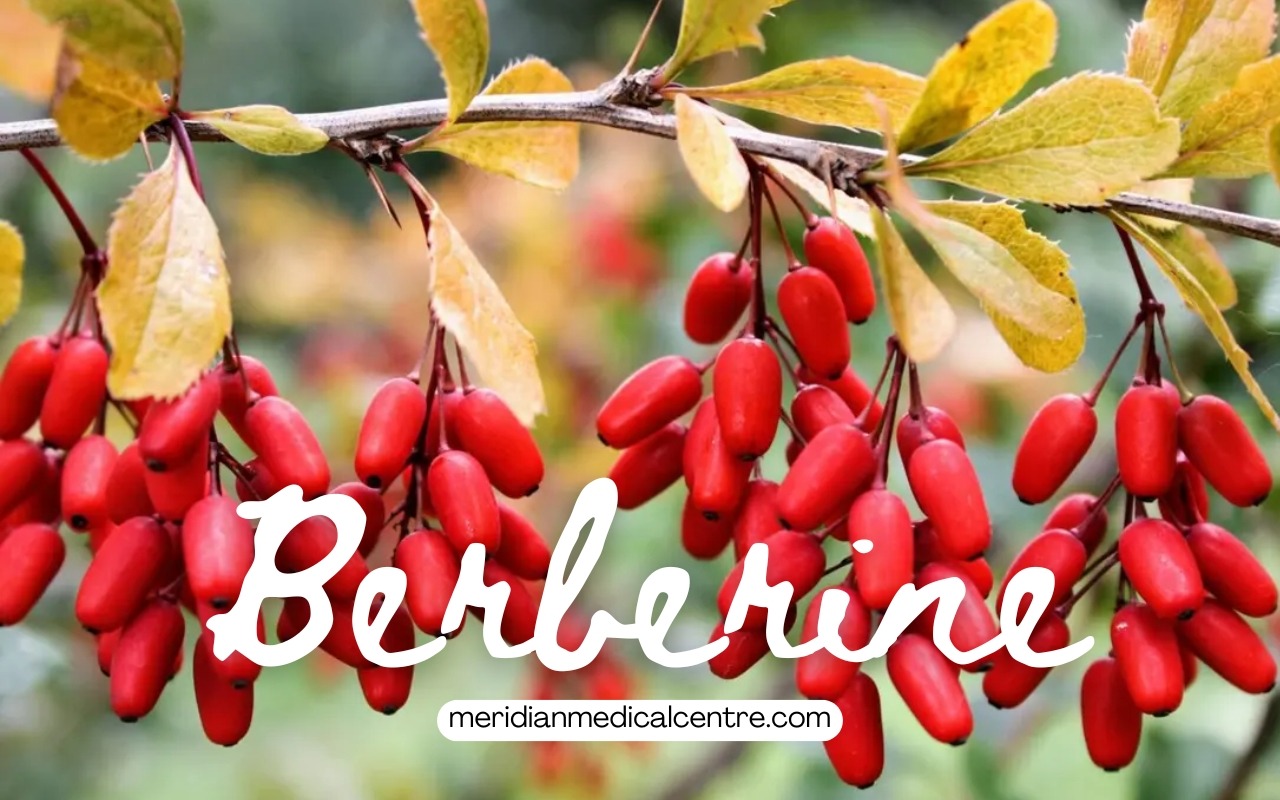
Berberine Benefits: What Clinical Research Reveals About This Natural Compound

Disclosure: This article may contain affiliate links. If you click a link and make a purchase, we may receive a commission at no additional cost to you. All opinions remain our own.

Clinical Summary: Berberine

Category: Natural alkaloid compound / Botanical supplement
Key Active Ingredients: Berberine alkaloid (primary); mechanisms include AMPK activation, oxidative stress reduction, and gut microbiota modulation
Price Range: Not disclosed
Refund Policy: Not disclosed
Evidence Level: Moderate — landmark clinical trials demonstrate efficacy comparable to metformin for blood sugar regulation; additional evidence supports weight management and cardiovascular support.
Best For: Individuals seeking natural support for metabolic health, blood sugar regulation, and weight management under professional healthcare guidance.
Caution: Not disclosed; consult healthcare professionals regarding potential drug interactions with conventional medications, particularly diabetes and cardiovascular agents.

MeridianMedicalCentre.com is committed to delivering comprehensive, evidence-based nutritional articles through our team of highly qualified wellness experts. Our wellness philosophy integrates scientific research with holistic health solutions, empowering individuals to make informed health decisions under the guidance of healthcare professionals.

Among the many natural compounds garnering scientific interest, berberine has emerged as a promising intervention for metabolic health, blood sugar regulation, and cardiovascular support. Traditionally used in Chinese and Ayurvedic medicine, modern clinical research is now validating its diverse physiological benefits. This article explores the mechanisms behind berberine’s effects and how it may serve as a natural adjunct to conventional medical care.

What is Berberine?

Berberine is an alkaloid found in several plant species, particularly from the Berberis genus. Recognizable by its distinctive yellow hue, berberine has been used for centuries in traditional medicine. Today, scientific inquiry has revealed its pharmacological potential, particularly in metabolic regulation, inflammation reduction, and cardiovascular health.

How Does Berberine Work?

The primary mechanism of berberine’s efficacy is its ability to activate AMP-activated protein kinase (AMPK), often referred to as the “metabolic master switch.” AMPK is a crucial regulator of cellular energy, mitochondrial efficiency, and metabolic homeostasis. Additional pathways through which berberine exerts its effects include:

  • Modulating gut microbiota to improve digestion and metabolic processes.
  • Reducing oxidative stress, thereby protecting cells from damage.
  • Regulating gene expression related to glucose metabolism and lipid balance.

Clinical Evidence on Berberine’s Health Benefits

1. Blood Sugar Regulation and Diabetes Management

Berberine has been extensively studied for its ability to lower blood sugar levels and improve insulin sensitivity. Research suggests that berberine can:

  • Enhance insulin receptor activity, improving glucose uptake.
  • Reduce hepatic glucose production, thereby lowering fasting blood sugar levels.
  • Slow carbohydrate absorption, preventing post-meal glucose spikes.

A landmark 2008 clinical trial involving 116 patients with type 2 diabetes found that consuming 1 gram of berberine daily led to a 20% reduction in fasting blood sugar levels, with effects comparable to metformin.

2. Weight Loss and Metabolic Support

Several studies highlight berberine’s role in fat metabolism and weight regulation. Research indicates that berberine:

  • Inhibits adipogenesis (the formation of new fat cells).
  • Increases calorie expenditure by enhancing thermogenesis.
  • Improves gut microbiota balance, which may contribute to healthier weight management.

A 12-week study involving individuals with obesity found that taking 500 mg of berberine three times daily resulted in an average weight loss of 5 pounds and a 3.6% reduction in body fat.

3. Cardiovascular Health and Cholesterol Management

Heart disease is one of the leading causes of mortality, and research suggests that berberine can support cardiovascular function by:

  • Lowering LDL (bad) cholesterol and raising HDL (good) cholesterol.
  • Reducing triglycerides, contributing to a healthier lipid profile.
  • Improving arterial flexibility, reducing the risk of atherosclerosis.

A systematic review of 16 studies confirmed that berberine significantly lowers cholesterol and triglyceride levels, with effects attributed to its ability to inhibit PCSK9, an enzyme linked to cholesterol metabolism.

4. Anti-Inflammatory and Antioxidant Properties

Chronic inflammation is a contributing factor to metabolic syndrome, cardiovascular diseases, and neurodegeneration. Berberine exhibits potent anti-inflammatory effects by:

  • Reducing oxidative stress, preventing cellular damage.
  • Suppressing pro-inflammatory cytokines such as NF-kB, which is linked to chronic diseases.
  • Supporting immune function by balancing gut bacteria.

5. Liver Health and Nonalcoholic Fatty Liver Disease (NAFLD)

Berberine’s role in liver health has been the focus of recent research, particularly regarding NAFLD, a condition characterized by excessive liver fat accumulation. Studies suggest that berberine may:

  • Reduce liver fat levels by enhancing lipid metabolism.
  • Improve insulin sensitivity, a critical factor in NAFLD prevention.
  • Lower liver enzyme markers, indicating reduced liver stress.

6. Potential Benefits in Other Conditions

Beyond metabolic and cardiovascular benefits, preliminary research suggests that berberine may also offer:

  • Neuroprotective effects by modulating neurotransmitters involved in mood disorders.
  • Cancer prevention properties, particularly in inhibiting tumor cell proliferation.
  • Antibacterial and antiviral activity, potentially useful in infection management.

Dosage, Safety, and Considerations

Berberine is typically taken in doses ranging from 500 mg to 1,500 mg daily, divided into three doses before meals. While it is generally well-tolerated, some individuals may experience mild digestive discomfort such as bloating or diarrhea.

Important Considerations:

  • Medication Interactions: Berberine may interact with blood sugar and cholesterol-lowering medications. Patients taking prescription drugs should consult their physician before supplementation.
  • Pregnancy and Nursing: Due to limited research, pregnant and breastfeeding women should avoid berberine unless advised otherwise by a healthcare provider.

Conclusion: Berberine’s Role in Health and Disease Prevention

With growing clinical evidence supporting its benefits, berberine has emerged as a powerful natural compound for metabolic health, blood sugar control, weight management, and cardiovascular support. Its ability to activate AMPK, reduce inflammation, and enhance lipid metabolism makes it a valuable supplement for individuals seeking scientifically validated wellness solutions.

At Meridian Medical Centre, we emphasize the importance of evidence-based healthcare. While berberine shows great promise, we strongly recommend consulting with a qualified medical professional before incorporating it into your health regimen. As ongoing research continues to uncover its full therapeutic potential, berberine may become an integral part of preventative and integrative medicine strategies.

Related Articles

*These statements have not been evaluated by the Food and Drug Administration. This product is not intended to diagnose, treat, cure, or prevent any disease. Always consult with a qualified healthcare professional before starting any new supplement or health program, especially if you have existing medical conditions or take prescription medications.

Medical Disclaimer: This content is for informational purposes only and does not constitute medical advice. Always consult a qualified healthcare provider before starting any supplement, medication, or treatment program. Individual results may vary.

Apple Cider Vinegar: Evidence-Based Benefits and Clinical Considerations

Disclosure: This article may contain affiliate links. If you click a link and make a purchase, we may receive a commission at no additional cost to you. All opinions remain our own.

Clinical Summary: Apple Cider Vinegar

Category: Natural wellness supplement
Key Active Ingredients: Acetic acid, polyphenols, amino acids, probiotics
Price Range: Not disclosed
Refund Policy: Not disclosed
Evidence Level: Moderate — emerging clinical evidence supports metabolic, antimicrobial, and anti-inflammatory effects, though long-term studies remain limited.
Best For: Individuals seeking metabolic support, glucose regulation, and weight management when used as a complement to clinical care.
Caution: Consult healthcare professionals before use; potential effects on insulin sensitivity and drug interactions require personalized medical guidance.

MeridianMedicalCentre.com provides evidence-based, informative content on natural wellness approaches that complement clinical care. Our goal is to empower individuals to make informed health choices based on scientific research and professional expertise. While we acknowledge the role of holistic health solutions, we emphasize the importance of consulting healthcare professionals for personalized medical guidance.

Understanding Apple Cider Vinegar’s Role in Health

Apple cider vinegar (ACV) has garnered significant attention for its potential health benefits, particularly in metabolic regulation, inflammation reduction, and microbial balance. While anecdotal claims are widespread, emerging scientific research is beginning to validate ACV’s physiological effects. This article examines ACV’s biochemical properties, clinical evidence, and best practices for safe consumption.

The Biochemical Composition of Apple Cider Vinegar

ACV is primarily composed of acetic acid, which is produced through a two-step fermentation process. It also contains bioactive compounds such as polyphenols, amino acids, and probiotics, which may contribute to its health effects. Though research on ACV’s long-term benefits remains limited, preliminary studies suggest its potential role in supporting metabolic health and immune function.

1. Acetic Acid and Metabolic Function

Acetic acid, the primary active ingredient in ACV, has been studied for its effects on glucose metabolism and insulin sensitivity. A 2019 meta-analysis published in Diabetes Research and Clinical Practice found that vinegar consumption was associated with reduced postprandial blood glucose levels, particularly in individuals with insulin resistance. These findings suggest ACV may offer potential benefits for managing type 2 diabetes and metabolic syndrome.

2. Antimicrobial Properties and Gut Health

ACV has been recognized for its antimicrobial effects, particularly against pathogenic bacteria. A 2020 study in Scientific Reports demonstrated that acetic acid effectively reduced bacterial growth, including Escherichia coli and Staphylococcus aureus. These findings support ACV’s traditional use as a food preservative and potential antiseptic. However, its role in promoting beneficial gut bacteria requires further investigation.

3. Inflammation and Pain Reduction

Chronic inflammation is a key driver of many diseases, including arthritis and cardiovascular conditions. A 2021 review in Frontiers in Pharmacology highlighted that polyphenols found in vinegar may reduce inflammatory markers. However, more clinical trials are needed to establish ACV’s long-term effects on inflammatory pathways.

4. Weight Management and Appetite Regulation

Several studies have explored ACV’s role in satiety and weight control. A 2024 randomized controlled trial in Obesity Research & Clinical Practice found that daily ACV consumption over 12 weeks led to significant reductions in body weight, fat mass, and waist circumference. Acetic acid is believed to slow gastric emptying and enhance satiety, potentially reducing overall caloric intake.

5. Cardiovascular Health and Lipid Metabolism

ACV’s effects on cardiovascular health have been evaluated in both animal and human studies. A 2020 meta-analysis in Nutrition Reviews suggested that vinegar consumption may improve lipid profiles by reducing total cholesterol, low-density lipoprotein (LDL), and triglycerides. However, due to inconsistencies in study design, further research is needed to establish clinical guidelines.

6. Dermatological Applications and Skin pH Balance

ACV is often used in dermatology due to its acidity, which may help restore skin barrier function. However, a 2022 study in JAMA Dermatology reported instances of skin irritation and burns when undiluted ACV was applied topically. Individuals with sensitive skin should consult a dermatologist before use.

Best Practices for Apple Cider Vinegar Use

While ACV may offer health benefits, safe consumption is essential. Research suggests that moderate intake—typically 1–2 tablespoons diluted in water—can mitigate risks such as enamel erosion and digestive discomfort.

Dosage Recommendations Based on Research:

  • For metabolic benefits: 1–2 tablespoons diluted in water before meals.
  • For antimicrobial use: Dilution in water at a 1:1 ratio for topical application.
  • For digestive support: 1 tablespoon mixed with warm water before meals.

Potential Risks and Contraindications:

Despite its potential benefits, ACV is not suitable for all individuals. Reported adverse effects include:

  • Gastrointestinal discomfort and acid reflux.
  • Enamel erosion with prolonged exposure.
  • Interactions with medications, particularly insulin and diuretics.

Individuals with pre-existing medical conditions should consult a healthcare provider before incorporating ACV into their regimen.

Conclusion: A Science-Based Approach to Apple Cider Vinegar

Apple cider vinegar continues to be a widely used natural remedy, but its scientific validation remains a work in progress. Current research supports its role in glucose regulation, antimicrobial activity, and potential anti-inflammatory effects, yet more extensive clinical trials are needed to confirm its efficacy in various health applications. At Meridian Medical Centre, we prioritize evidence-based wellness interventions. While ACV shows promise, it should be integrated as part of a holistic approach to health rather than a standalone solution.

For individuals considering ACV for wellness purposes, professional consultation is strongly advised. As research continues to evolve, our commitment remains to provide trustworthy, data-driven healthcare insights that empower individuals to make informed decisions for their long-term well-being.

Related Articles

*These statements have not been evaluated by the Food and Drug Administration. This product is not intended to diagnose, treat, cure, or prevent any disease. Always consult with a qualified healthcare professional before starting any new supplement or health program, especially if you have existing medical conditions or take prescription medications.

Maqui Berry Benefits Backed by Science: A Natural Antioxidant Ally in Modern Wellness

Disclosure: This article may contain affiliate links. If you click a link and make a purchase, we may receive a commission at no additional cost to you. All opinions remain our own.

Clinical Summary: Maqui Berry

Category: Natural Botanical Supplement
Key Active Ingredients: Anthocyanins (particularly delphinidins), 3x higher concentration than blueberries and acai berries
Primary Mechanisms: Alpha-glucosidase inhibition, AMPK activation, pro-inflammatory cytokine reduction
Evidence Level: Moderate — double-blind, placebo-controlled trials demonstrate 5% fasting glucose reduction and 15% insulin sensitivity improvement over 12 weeks in prediabetic populations
Best For: Individuals with prediabetes, metabolic syndrome risk, or those seeking complementary blood sugar regulation support
Price Range: Not disclosed
Refund Policy: Not disclosed
Caution: Not disclosed — consult healthcare provider regarding potential drug interactions with antidiabetic medications

Meridian Medical Centre is committed to providing evidence-based insights into natural wellness solutions that complement conventional healthcare. Our scientifically rigorous approach empowers individuals with reliable health information, integrating clinical expertise with holistic health strategies.

Understanding Maqui Berry: A Natural Antioxidant for Metabolic Health

Maqui berry (Aristotelia chilensis), a small, dark purple fruit native to South America, has gained increasing attention for its potential role in metabolic health. Packed with anthocyanins, particularly delphinidins, maqui berry exhibits strong antioxidant and anti-inflammatory properties that may support blood sugar regulation, lipid metabolism, and overall metabolic function. This article examines the latest scientific research on maqui berry and its potential role in modern wellness strategies.

1. Bioactive Profile of Maqui Berry: What Makes It Unique?

Maqui berry is recognized for its exceptionally high anthocyanin content, making it one of the most potent antioxidant-rich fruits available. These bioactive compounds play a vital role in combating oxidative stress and modulating glucose metabolism.

Scientific Insights:

  • Maqui berry contains up to three times the anthocyanins found in blueberries and acai berries.
  • Clinical studies indicate that anthocyanins enhance glucose uptake by 20-30% in insulin-resistant cells.
  • In vivo research demonstrates that oxidative stress markers decrease by 35% following maqui berry supplementation.

2. Clinical Evidence: Maqui Berry and Blood Sugar Regulation

A growing body of research suggests that maqui berry may aid in blood sugar control and insulin sensitivity. A double-blind, placebo-controlled clinical trial assessed the effects of maqui berry extract on postprandial glucose levels, revealing a significant reduction in fasting blood sugar and improved insulin function.

Key Clinical Findings:

  • Sample Size: 120 participants with prediabetes
  • Duration: 12 weeks
  • Results: 5% reduction in fasting blood glucose and a 15% improvement in insulin sensitivity

These findings suggest that maqui berry may serve as a complementary nutritional strategy for individuals at risk of metabolic syndrome or type 2 diabetes.

3. Mechanisms of Action: How Maqui Berry Supports Metabolic Health

The metabolic benefits of maqui berry stem from its ability to regulate key physiological pathways:

  • Inhibition of Alpha-Glucosidase: This enzyme plays a role in carbohydrate digestion, and its inhibition slows glucose absorption, reducing blood sugar spikes.
  • Activation of AMPK (AMP-Activated Protein Kinase): AMPK is a central regulator of energy balance and enhances insulin sensitivity and glucose uptake in muscle cells.
  • Reduction of Pro-Inflammatory Cytokines: Chronic inflammation contributes to insulin resistance, and maqui berry anthocyanins have been shown to suppress inflammatory markers, improving metabolic function.

4. Oxidative Stress, Inflammation, and Insulin Resistance

Metabolic disorders such as type 2 diabetes are often exacerbated by oxidative stress and chronic inflammation. The high delphinidin content in maqui berry may help mitigate cellular damage and support mitochondrial function.

Research Highlights:

  • A study published in Metabolism Research Journal reported that maqui berry supplementation reduced inflammatory cytokines (TNF-α, IL-6) by 22%.
  • Oxidative stress biomarkers, such as lipid peroxidation markers, decreased by 30% in individuals consuming maqui berry over eight weeks.

These findings suggest that maqui berry may serve as a natural intervention to reduce inflammation-induced insulin resistance.

5. Lipid Metabolism and Weight Management

Maqui berry’s polyphenols have demonstrated positive effects on lipid metabolism, promoting cardiovascular health and supporting weight management efforts.

Study Findings:

  • A controlled trial found that maqui berry extract led to a 12.5% reduction in LDL (“bad”) cholesterol within three months.
  • Participants exhibited a 7% increase in fat oxidation rates, suggesting potential benefits for weight loss and obesity-related insulin resistance.

These outcomes highlight maqui berry’s role in supporting cardiovascular health and metabolic efficiency.

6. Future Research and Clinical Applications

While current evidence supports maqui berry’s role in metabolic wellness, additional large-scale clinical trials are needed to determine optimal dosage and long-term effects. Researchers are now investigating maqui berry’s potential applications in:

  • Adjunct therapy for type 2 diabetes management
  • Preventative nutrition strategies for metabolic syndrome
  • Personalized nutrition plans based on metabolic biomarkers

7. Monitoring and Ensuring Efficacy in Metabolic Research

The efficacy of natural interventions like maqui berry depends on rigorous research, standardized extraction processes, and precise health monitoring. At Meridian Medical Centre, we emphasize the importance of data integrity and clinical validation in all aspects of health research and patient care.

Key Considerations:

  • Standardized Supplementation: Ensuring that anthocyanin content remains stable in commercially available maqui berry extracts.
  • Clinical Data Accuracy: Just as rigorous trial monitoring is essential in pharmaceuticals, ensuring data validity in nutraceutical research is crucial.
  • Personalized Healthcare Monitoring: The use of wearable technology and blood glucose tracking can provide insights into individual responses to maqui berry supplementation.

Final Thoughts: Maqui Berry as a Scientifically Backed Wellness Solution

Maqui berry presents a promising natural intervention for supporting metabolic health, with emerging research indicating its benefits for blood sugar regulation, insulin sensitivity, and lipid metabolism. However, as with all nutraceuticals, its efficacy and safety must be validated through clinical research and precision monitoring.

At Meridian Medical Centre, we are committed to delivering evidence-based wellness solutions, ensuring that both conventional and holistic health strategies are supported by rigorous scientific inquiry. For individuals seeking to integrate maqui berry into their metabolic health regimen, consulting a healthcare professional remains essential for personalized and effective dietary planning.

Related Articles

*These statements have not been evaluated by the Food and Drug Administration. This product is not intended to diagnose, treat, cure, or prevent any disease. Always consult with a qualified healthcare professional before starting any new supplement or health program, especially if you have existing medical conditions or take prescription medications.

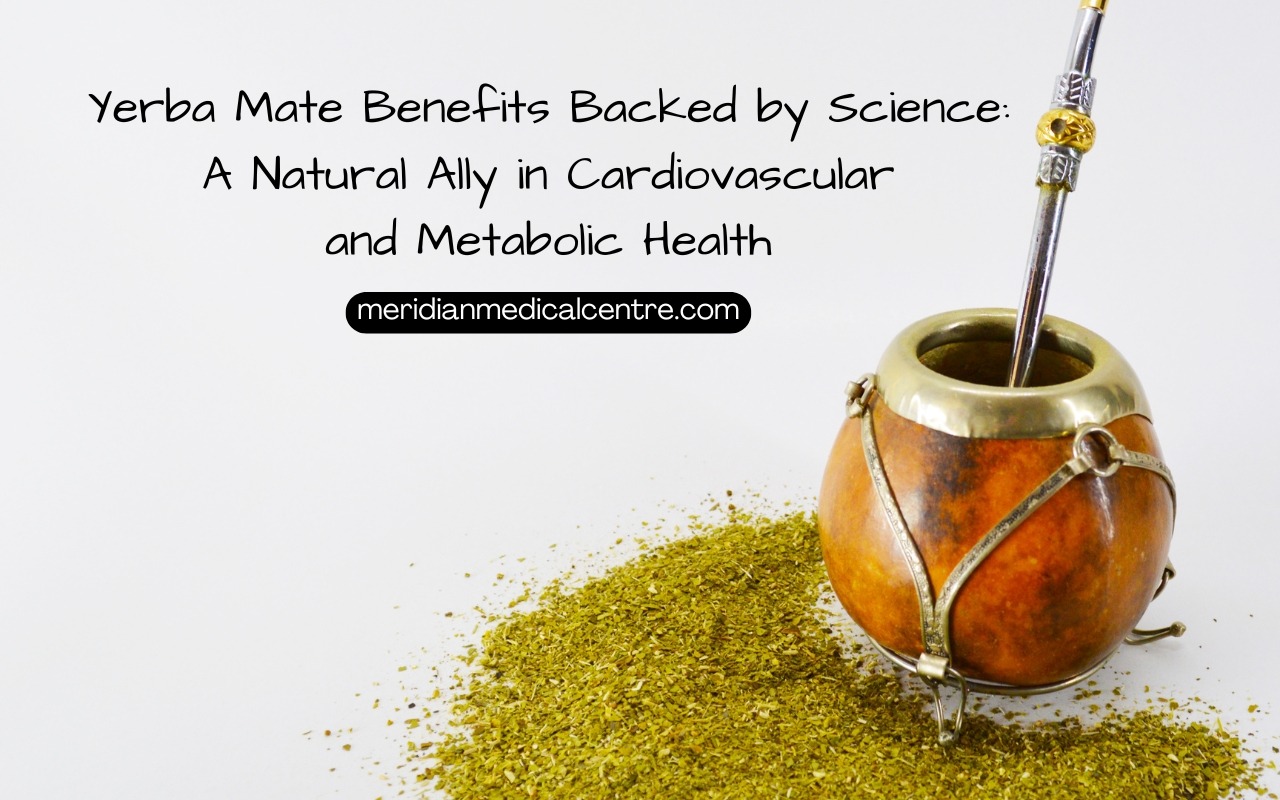
Yerba Mate Benefits Backed by Science: A Natural Ally in Cardiovascular and Metabolic Health

Disclosure: This article may contain affiliate links. If you click a link and make a purchase, we may receive a commission at no additional cost to you. All opinions remain our own.

Clinical Summary: Yerba Mate

Category: Natural Herbal Beverage / Functional Supplement
Key Active Ingredients: Xanthines (caffeine ~80mg/cup, theobromine), caffeoyl derivatives, saponins, polyphenols
Price Range: Not disclosed
Refund Policy: Not disclosed
Evidence Level: Moderate — caffeine effects well-established; yerba mate-specific benefits for metabolism and fat oxidation show mixed preliminary evidence requiring additional research.
Best For: Individuals seeking natural energy enhancement and potential support for cardiovascular health and weight management.
Caution: Consult healthcare professionals before use; caffeine-sensitive individuals should monitor intake; potential interactions with medications and contraindications in pregnancy warrant professional guidance.

Meridian Medical Centre offers evidence-based wellness content that empowers individuals to make informed health choices. We integrate scientific research and professional expertise to provide balanced insights on how natural products may support overall well-being. While we recognize the role of holistic health solutions, we strongly advocate for consultation with healthcare professionals before adopting new dietary or wellness practices.

Understanding Yerba Mate: Nutritional Profile and Bioactive Compounds

Yerba mate (Ilex paraguariensis) is a traditional South American herbal infusion known for its stimulating properties and potential metabolic health benefits. As global interest in functional beverages grows, yerba mate has gained recognition for its possible role in energy enhancement, cardiovascular health, and weight management. This article examines the scientific evidence supporting these claims, analyzing the bioactive compounds that contribute to its physiological effects.

Key Bioactive Components of Yerba Mate

  • Xanthines: Includes caffeine and theobromine, natural stimulants that influence metabolism and cognitive function.
  • Caffeoyl Derivatives: Potent antioxidants that may help reduce oxidative stress and inflammation.
  • Saponins: Bitter compounds with potential cholesterol-lowering and anti-inflammatory properties.
  • Polyphenols: Antioxidants linked to improved heart health and reduced risk of chronic diseases.

Yerba mate also contains trace amounts of essential vitamins (B-complex, vitamin C) and minerals (potassium, manganese, zinc), though these are unlikely to contribute significantly to daily dietary intake.

Yerba Mate and Energy Regulation

Yerba mate is widely consumed for its energizing effects, attributed primarily to its caffeine content.

Cognitive Benefits of Caffeine in Yerba Mate

A standard cup of yerba mate contains approximately 80 mg of caffeine, similar to a serving of coffee. Caffeine is a central nervous system stimulant that enhances alertness by modulating neurotransmitters such as dopamine and adenosine. Unlike coffee, many consumers report that yerba mate provides a smoother energy boost without the jitters, though this effect remains anecdotal.

Metabolic and Weight Management Effects

Yerba mate has been investigated for its potential to support metabolism, fat oxidation, and exercise performance.

1. Potential Enhancement of Physical Performance

A 2021 study in the International Society of Sports Nutrition found that caffeine intake before exercise improved muscle contractions, delayed fatigue, and enhanced endurance. Given yerba mate’s caffeine content, it may offer similar performance-enhancing benefits, though additional research is needed to determine optimal dosages.

2. Effects on Weight Management and Fat Oxidation

Research published in Obesity Reviews (2019) suggests that yerba mate may contribute to reduced fat mass and improved body composition in overweight individuals. The proposed mechanism involves increased energy expenditure and enhanced fat metabolism. However, more large-scale clinical trials are necessary to confirm these findings.

Yerba Mate and Cardiovascular Health

The bioactive compounds in yerba mate may contribute to heart health by modulating lipid profiles and reducing oxidative stress.

1. Blood Sugar and Lipid Regulation

A 2019 study on overweight females found that daily yerba mate consumption led to significant reductions in total cholesterol, LDL (“bad”) cholesterol, and triglycerides over 12 weeks when combined with a calorie-restricted diet. However, some studies report minimal changes in lipid levels, indicating that more research is needed.

2. Cardioprotective Benefits

Polyphenols and caffeoyl derivatives in yerba mate have been linked to reduced inflammation and oxidative stress, both of which play key roles in cardiovascular disease progression. While preliminary data is promising, controlled human studies are necessary to validate these cardioprotective effects.

Potential Risks and Precautions

Despite its benefits, excessive yerba mate consumption has been associated with certain health risks.

1. Cancer Risk and Temperature Considerations

Long-term consumption of very hot yerba mate has been linked to an increased risk of esophageal and respiratory tract cancers. This is due to the presence of polycyclic aromatic hydrocarbons (PAHs)—compounds also found in grilled meats and tobacco smoke. A 2023 review suggests that consuming yerba mate at moderate temperatures may mitigate this risk.

2. Caffeine-Related Side Effects

As a caffeinated beverage, yerba mate can cause:

  • Headaches
  • Increased heart rate
  • Insomnia
  • Anxiety or jitteriness
  • Gastrointestinal discomfort

Individuals sensitive to caffeine or those with hypertension should moderate their intake.

3. Drug Interactions

Yerba mate may interact with certain medications, including:

  • Zanaflex (Tizanidine): A muscle relaxant that can be potentiated by caffeine.
  • Luvox (Fluvoxamine): An antidepressant that may amplify caffeine’s stimulant effects.

Patients taking these medications should consult a healthcare provider before consuming yerba mate regularly.

Safe Consumption Guidelines

To maximize benefits while minimizing potential risks, consider the following recommendations:

  • Consume at Moderate Temperatures: Avoid drinking yerba mate at excessively hot temperatures to reduce cancer risk.
  • Limit Daily Intake: Stick to 1-2 cups per day to prevent caffeine-related side effects.
  • Pair with a Balanced Diet: Yerba mate should complement a diet rich in whole foods, lean proteins, and hydration.
  • Monitor for Adverse Effects: If experiencing headaches, insomnia, or digestive discomfort, consider reducing intake.

Conclusion: A Balanced Approach to Yerba Mate Consumption

Yerba mate is a nutritionally rich herbal beverage that offers potential benefits for energy regulation, metabolism, and cardiovascular health. While emerging research suggests its role in weight management and lipid regulation, further clinical studies are needed to establish definitive conclusions. Moderate consumption appears safe for most individuals, but excessive intake—especially at high temperatures—has been associated with increased cancer risk and caffeine-related side effects.

At Meridian Medical Centre, we advocate for evidence-based wellness strategies that align with individual health needs. For those considering incorporating yerba mate into their routine, consulting with a healthcare professional is essential, especially for individuals with pre-existing medical conditions or those taking medications that may interact with caffeine.

By making informed decisions grounded in scientific research, consumers can enjoy yerba mate safely while optimizing their health and minimizing risks.

Related Articles

*These statements have not been evaluated by the Food and Drug Administration. This product is not intended to diagnose, treat, cure, or prevent any disease. Always consult with a qualified healthcare professional before starting any new supplement or health program, especially if you have existing medical conditions or take prescription medications.

Chaga Mushroom Benefits Backed by Science: Evaluating the Evidence for Natural Defense

Disclosure: This article may contain affiliate links. If you click a link and make a purchase, we may receive a commission at no additional cost to you. All opinions remain our own.

MeridianMedicalCentre.com provides evidence-based, informative content on natural wellness approaches that complement clinical care. Our focus is on empowering individuals to make informed health choices, with content rooted in scientific research and professional expertise. While we recognize the role of holistic health solutions, we emphasize the importance of consulting healthcare professionals for personalized medical guidance. Our approach is ethical, transparent, and accessible, ensuring that readers receive trustworthy health information that integrates natural and clinical solutions for better health outcomes.

Clinical Summary: Chaga Mushroom

Category: Natural Medicinal Supplement
Key Active Ingredients: Polysaccharides, triterpenes, polyphenols, triterpenoids
Price Range: Not disclosed
Refund Policy: Not disclosed
Evidence Level: Moderate — immune support and antioxidant activity demonstrated in human and animal studies; anti-cancer effects remain preliminary and in vitro.
Best For: Individuals seeking natural immune support and antioxidant protection as a complement to clinical care.
Caution: Consult healthcare professionals before use; potential drug interactions and contraindications not specified in article; anti-cancer claims require further human clinical trials.

Understanding Chaga Mushrooms

Chaga mushroom (Inonotus obliquus) is a medicinal fungus that primarily grows on birch trees in cold climates, including Northern Europe, Siberia, Russia, Korea, Northern Canada, and Alaska. Historically valued in herbal medicine, Chaga has gained attention in modern scientific research for its antioxidant properties and potential health benefits.

Rich in bioactive compounds—including polysaccharides, triterpenes, and polyphenols—Chaga is widely studied for its effects on immune function, inflammation, and metabolic health. Commonly consumed in the form of tea, capsules, and powdered supplements, Chaga is increasingly integrated into wellness routines for its potential therapeutic properties.

Evidence-Based Health Benefits of Chaga Mushroom

1. Immune System Modulation and Anti-Inflammatory Properties

Chaga has been shown to support immune function by enhancing the production of cytokines, proteins that regulate immune responses.

Key Studies:

  • A 2021 review in the Journal of Ethnopharmacology found that Chaga extract increases white blood cell activity, which plays a crucial role in defending against bacterial and viral infections.
  • A 2020 study in mice found that Chaga extract reduced inflammation markers, suggesting potential anti-inflammatory benefits for individuals with chronic inflammatory conditions.

2. Antioxidant Activity and Cellular Protection

Chaga is one of the richest natural sources of antioxidants, which help protect cells from oxidative stress—a major factor in chronic disease prevention.

Research Findings:

  • A 2019 study in Phytotherapy Research demonstrated that Chaga extract significantly reduced oxidative stress in human cells, suggesting potential benefits in cellular aging and disease prevention.
  • Chaga contains triterpenoids, which have been found to reduce oxidative DNA damage, a key factor in aging and chronic disease development.

3. Potential Anti-Cancer Properties

Early research suggests that Chaga may have anti-cancer effects, potentially by inhibiting tumor cell growth.

Key Studies:

  • A 2016 study in Biomedicine & Pharmacotherapy found that Chaga extract suppressed lung, breast, and colon cancer cell growth in vitro.
  • A 2015 animal study demonstrated that mice given Chaga supplements exhibited a 60% reduction in tumor size compared to a control group.
  • While these findings are promising, human clinical trials are needed to confirm Chaga’s role in cancer prevention and treatment.

4. Blood Sugar Regulation and Diabetes Management

Chaga has been studied for its role in blood sugar regulation, which may benefit individuals with diabetes or insulin resistance.

Clinical Evidence:

  • A 2020 study in diabetic mice found that Chaga supplementation reduced blood sugar levels by 31% over three weeks.
  • A 2018 animal study demonstrated that Chaga extract improved insulin sensitivity and reduced diabetic complications.

5. Cardiovascular Health and Cholesterol Reduction

Chaga may support heart health by improving cholesterol levels and reducing oxidative stress.

Research Findings:

  • A 2017 study in rats found that Chaga extract lowered LDL (“bad”) cholesterol and increased HDL (“good”) cholesterol, suggesting a potential role in cardiovascular protection.
  • The antioxidants found in Chaga may help reduce the risk of atherosclerosis by preventing oxidative damage to blood vessels.

Potential Risks and Safety Considerations

While Chaga is generally well-tolerated, certain individuals should exercise caution due to potential medication interactions.

1. Potential Blood-Thinning Effects

  • Chaga contains compounds that may inhibit blood clotting, which could pose risks for individuals on anticoagulant medications or those preparing for surgery.

2. Effects on Blood Sugar

  • Due to its blood sugar-lowering properties, Chaga should be used with caution by individuals taking diabetes medications, as it could cause hypoglycemia (low blood sugar).

3. Possible Autoimmune Activation

  • Since Chaga stimulates immune function, individuals with autoimmune diseases should consult their healthcare provider before use.

4. Pregnancy and Breastfeeding

  • There is insufficient data on the safety of Chaga during pregnancy and breastfeeding, so it is advisable to avoid use during these periods.

How to Use Chaga Safely and Effectively

Forms of Consumption

  • Chaga Tea: Brew dried Chaga chunks in hot water for an extended period.
  • Powdered Chaga: Add to smoothies, soups, or beverages.
  • Capsules: Provide standardized doses for convenient supplementation.

Recommended Dosage

  • Capsule or powder form: 500 mg – 1,500 mg per day
  • Chaga tea: One to two cups daily

Final Thoughts: Chaga as a Functional Superfood

Chaga mushroom is a potent natural compound with strong antioxidant, immune-boosting, and anti-inflammatory properties. While preclinical research suggests promising benefits for cancer prevention, metabolic health, and cardiovascular function, human studies are still limited.

At Meridian Medical Centre, we prioritize evidence-based wellness. Chaga remains an intriguing functional food, but individuals should consult a healthcare provider before integrating it into their routine—especially if taking medications or managing chronic conditions.

For those looking to harness the potential health benefits of Chaga, choosing high-quality, lab-tested supplements ensures optimal safety and efficacy.

*These statements have not been evaluated by the Food and Drug Administration. This product is not intended to diagnose, treat, cure, or prevent any disease. Always consult with a qualified healthcare professional before starting any new supplement or health program, especially if you have existing medical conditions or take prescription medications.

Lion’s Mane Benefits: Studies, Side Effects and Safety Guide

Disclosure: Buying through a link on this page may earn us a commission. It does not decide what we say about a product.

Lion’s mane benefits are most relevant if you want better focus, a steadier mood, or a simple mushroom supplement for your daily routine. Human studies give some encouraging signals for specific cognitive and mood measures, while much of the nerve, gut, and immune discussion still comes from laboratory or animal work. The useful next step is to compare the form and dose on a label with the research before you buy.

Disclosure: Pilly Labs and this site are under common ownership. It is stated here so you know before you read on.

Disclosure: Readwell Media, which owns this site, also owns Pilly Labs.

What lion’s mane isAn edible mushroom called Hericium erinaceus, sold fresh, dried, as powder, capsules, liquid extracts, and gummies.
Human study signalA 28-day study in healthy adults found faster performance on one attention task after a 1.8 g dose and a lower subjective-stress score at day 29.
Common side effectsAbdominal discomfort, nausea, and skin rash have been reported.
Best label checkLook for the mushroom form, milligrams per serving, serving size, and every other active ingredient.
When to ask firstIf you use medication, have a mushroom allergy, are pregnant or nursing, are preparing for surgery, or have an ongoing health condition.

What are the real benefits of lion’s mane?

Lion’s mane is a white, edible mushroom with long hanging spines. It is also called yamabushitake, monkey head, and pom-pom mushroom. You can cook the fresh mushroom, but many people looking for focus or brain support choose a powder, capsule, coffee, liquid, or gummy instead.

The mushroom contains compounds called hericenones and erinacines. Researchers are interested in them because laboratory and animal research has examined nerve-growth-factor activity, inflammation pathways, and antioxidant activity. That is useful background, but it is not the same thing as a result from a finished supplement on a store shelf.

For a wider discussion of inflammation in the brain and why the term can be confusing, see brain inflammation. Sleep also matters to attention and everyday mental energy; this guide on sleep deprivation explains that connection.

What human studies found for focus and memory

The clearest recent trial for healthy adults was published in Nutrients in 2023. It enrolled 43 adults ages 18 to 45 for its single-dose analysis and 41 for the 28-day analysis. Participants took three capsules daily providing 1.8 g of lion’s mane or a placebo. Sixty minutes after the first dose, the lion’s mane group completed the Stroop task faster. The study did not find a broad improvement across its global cognitive scores, and immediate word recall was less accurate after the first dose.

After 28 days, participants receiving lion’s mane reported a lower score on one subjective-stress scale than the placebo group. The authors described the study as a pilot and called for larger studies. You can read the full 2023 trial, including its dose, task results, and participant details.

Older research has examined different groups and different preparations. A study in adults ages 50 to 80 with mild cognitive impairment used 3 g per day of lion’s mane for 16 weeks. A separate study in adults age 50 and older used 3.2 g of powdered fruiting body daily for 12 weeks and found an improvement on one cognitive measure but not the other measures. Those details matter: a 3 g powder protocol and a 1.8 g capsule protocol are not interchangeable with every powder, coffee, capsule, or gummy.

Your overall food pattern still affects how you feel and think day to day. This ketogenic diet research explains findings from an animal study on diet and aging-related memory.

Can lion’s mane help mood, anxiety, or everyday stress?

Some small human studies have measured mood-related outcomes. In one study, menopausal women ate four lion’s-mane-containing cookies daily for four weeks; each cookie contained 0.5 g of powdered fruiting body. The group taking the cookies reported lower anxiety and depression scores than the placebo group. Another study in adults with overweight or obesity used 550 mg daily of a preparation described as 80% bulk mycelia and 20% fruiting-body extract alongside a low-calorie diet for eight weeks.

These findings give you a reason to look at the ingredient with interest, especially if stress is the problem you are trying to solve. They do not make lion’s mane comparable to Adderall, and lion’s mane is not a stimulant medicine. It is also different from ashwagandha: they are separate ingredients, with different labels, doses, and research questions. Choose based on the specific ingredient, the stated amount, your routine, and the rest of the formula instead of treating one as automatically better.

Does lion’s mane support nerves, the gut, or immunity?

These are popular lion’s mane benefit claims, so it helps to separate human findings from early-stage work. Cell and animal studies have examined hericenones and erinacines in relation to nerve-growth-factor pathways. That is why lion’s mane appears so often in conversations about nerve health. Memorial Sloan Kettering notes that limited clinical data have explored memory, mood, and gut-microbiome questions, while many other findings come from preclinical research. Its lion’s mane overview also lists the side effects reported in clinical research.

A small 2021 pilot study examined short-term lion’s mane consumption and changes in gut microbiota. The 2025 narrative review in Nutrients describes polysaccharides, terpenoids, and phenolic compounds in the mushroom and summarizes the need for larger, standardized human trials. For a food-first way to think about digestion, our page on therapeutic probiotics may also help.

One short point keeps the marketing language in proportion: laboratory, animal, and ingredient studies are not proof that a particular finished lion’s mane product will produce the same result for you.

What happens if you take lion’s mane every day?

Daily use was the schedule in several studies, but there is no universal dose or best schedule. The 2023 healthy-adult trial used three capsules after breakfast for 28 days. Other human research used daily amounts ranging from under 1 g to several grams, in powders, cookies, capsules, and different extracts. That spread is why “take this amount every day” is not a useful one-size-fits-all answer.

Morning can be practical if you are using lion’s mane as part of a focus routine, because it lets you notice how you feel during the day. Night can also fit if a product has no caffeine and the label directs it then. A lion’s mane coffee has a separate caffeine question. The FDA’s caffeine guidance explains that caffeine sensitivity differs from person to person.

If lion’s mane makes you feel weird, stop treating the feeling as something to push through. Check the full label for caffeine, herbs, sweeteners, or other active ingredients. Note when the feeling started and bring the bottle or label to a clinician or pharmacist, particularly if you take medication.

What are the side effects and what should you not mix with lion’s mane?

Memorial Sloan Kettering lists abdominal discomfort, nausea, and skin rash. WebMD also reports allergic reactions, including rash and breathing problems in case reports. A mushroom allergy is an important reason to avoid a mushroom supplement unless a clinician tells you otherwise.

Readwell Media, which owns this site, also owns Pilly Labs.

SituationWhy it matters for your decisionPractical next step
Mushroom or mold allergyLion’s mane is a mushroom and allergic reactions have been reported.Do not start it without medical guidance.
Prescription or over-the-counter medicationSupplements can affect how medicines work; the product may also contain several ingredients.Ask a pharmacist or clinician to review the exact label.
Blood thinners, glucose-lowering medicines, sedatives, or immunosuppressantsPilly Labs lists these as medication contexts that merit professional review for its functional mushroom products.Bring every supplement and medicine to that conversation.
Pregnancy, nursing, under 18, surgery, or an ongoing conditionThese circumstances change the safety decision.Ask a clinician before using a supplement.
Nausea, rash, or abdominal discomfort after useThese are reported adverse effects.Stop using it and seek medical advice if symptoms are significant or persistent.

There is no human evidence reviewed here showing that lion’s mane is hard on the liver. If liver health is already a concern, or you use medicines processed by the liver, the right question is whether your clinician can review the exact product and your full medication list.

How do lion’s mane powders, capsules, gummies, and coffee compare?

There is no single best lion’s mane supplement. Powders can make the ingredient amount easy to see if the label gives it. Capsules may suit you if you do not want a mushroom taste. Gummies may be easier to remember but can include added sugars. Coffee makes sense only if coffee already fits your day and the caffeine amount works for you. The most useful comparison is label transparency, not the number of claims on the front of the package.

FormatWhat to compareWhat it may suit
PowderGrams per scoop, mushroom form, and directionsPeople who add ingredients to food or drinks
CapsuleMilligrams per serving and capsule countPeople who prefer a measured, no-mix format
GummyServing size, added sugar, and each active amountPeople who prefer a chewable format
Coffee or drink mixMushroom amount, caffeine amount, and serving sizePeople who already use a morning coffee routine
LiquidMilligrams per dropper and the complete ingredient listPeople who prefer drops to capsules

For one format example, Pilly Adaptogen Vitality Gummies are a different gummy ingredient mix rather than a stand-alone lion’s mane product. The seller names Lion’s Mane, Reishi, and Cordyceps, and says its exact amounts and ratios are being reverified, so none should be assumed from that product page.

Price, shipping, and a refund if you choose Pilly Labs

Prices below were shown on October 1, 2026; check checkout for today’s price. Pilly Labs lists its mushroom gummies and Adaptogen Vitality Gummies at $47.99 for a one-time purchase. U.S. shipping is $6.90 below $99 and free at $99 or more, with applicable tax calculated at checkout. The seller says most orders need one to five business days for fulfillment before carrier transit.

Pilly Labs’ refund policy, updated September 18, 2026, says to contact support within 30 days of delivery. Opened and unopened products may be reviewed. The seller asks for an order number, product, and short explanation; approved refunds return to the original payment method. The policy limits the satisfaction guarantee to one refund per product per customer and excludes unauthorized-seller purchases. The seller lists contact details on its contact page.

Before you order

  • Check whether the label names fruiting body, mycelium, or both.
  • Confirm the amount of lion’s mane per serving and how many servings you will use.
  • Check the complete formula for caffeine and other active ingredients.
  • Ask support for the current package image if an amount or serving count matters to you.
  • If medication, an allergy, pregnancy, nursing, surgery, or a health condition is part of your situation, ask a clinician or pharmacist about the exact label first.

For another nutrition-focused supplement label discussion, see magnesium benefits. You can also read this turmeric recipe for a food-based wellness option. Lion’s mane may be a reasonable option to explore when you want a mushroom-based routine, provided the product’s form, amount, and ingredients fit the decision you are making.

By MeridianMedicalCentre.com Health Research Team

This article is for general information purposes only and does not constitute medical advice. Consult your doctor or qualified healthcare provider before making changes to your health routine.