Clicky

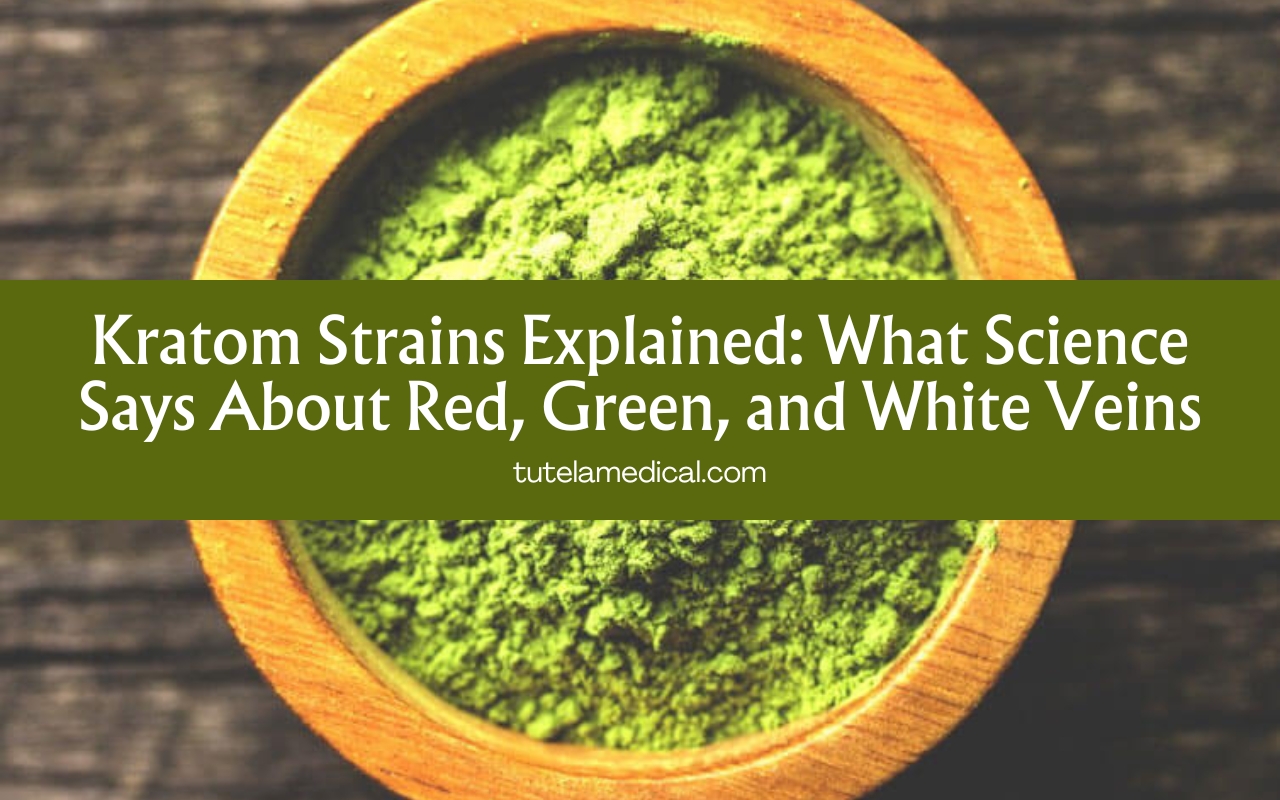
Kratom Strains Explained: What Science Says About Red, Green, and White Veins

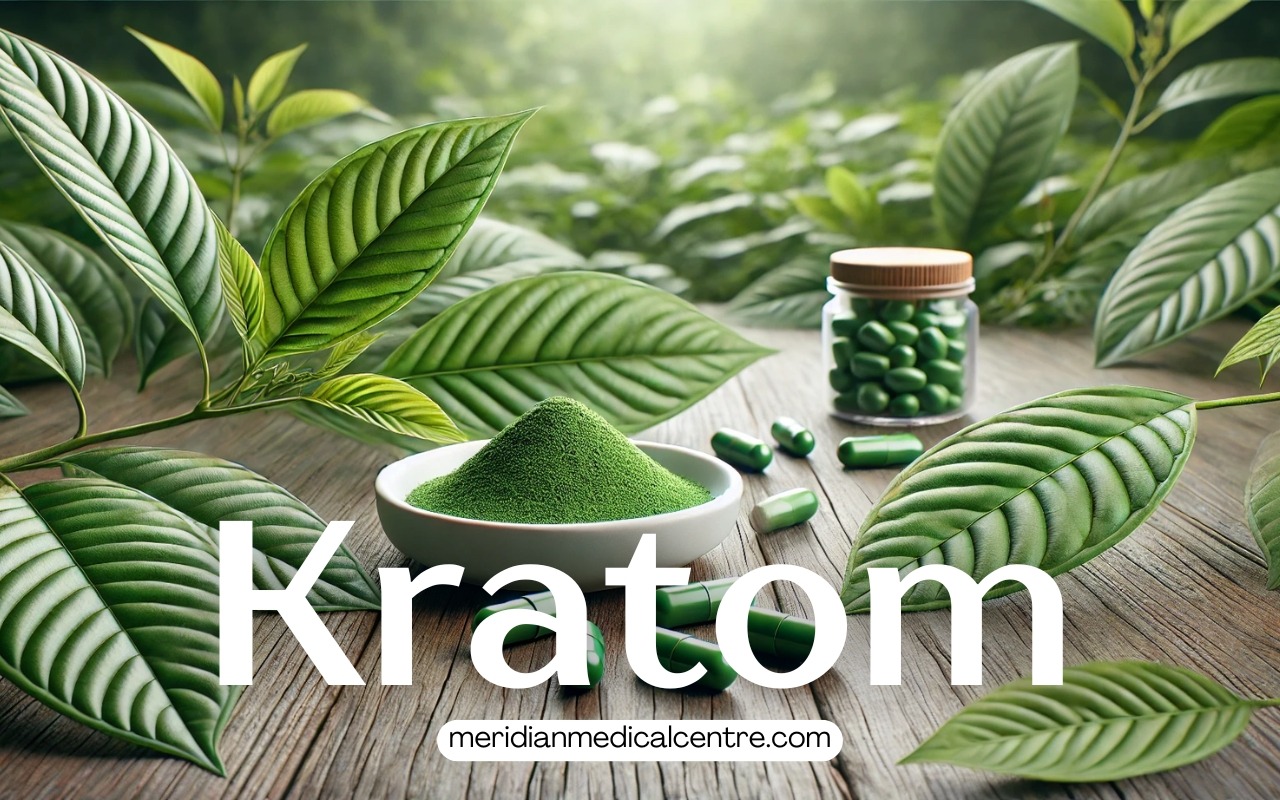
Kratom (Mitragyna speciosa), a Southeast Asian botanical, has gained increasing attention for its potential wellness applications, including pain relief, relaxation, and cognitive enhancement. While anecdotal reports have contributed to kratom’s popularity, scientific research is now providing deeper insights into the effects of its different strains—red, green, and white veins.

At MeridianMedicalCentre.com, we provide evidence-based, informative content on natural wellness approaches that complement conventional healthcare. Our goal is to empower individuals with scientifically supported health information, enabling them to make informed choices while emphasizing the importance of consulting healthcare professionals for personalized medical guidance. This article explores what science says about the different kratom strains and their potential role in overall well-being.

Clinical Summary: Kratom Strains and Vein Varieties

Category: Botanical supplement (Mitragyna speciosa)
Key Active Ingredients: Mitragynine, 7-hydroxymitragynine, and other alkaloids with strain-dependent composition
Price Range: Not disclosed
Refund Policy: Not disclosed
Evidence Level: Mixed—anecdotal reports supported by emerging scientific research on alkaloid receptor interactions, though clinical trials remain limited
Best For: Individuals seeking evidence-informed options for pain management, relaxation, or energy support when used under healthcare provider guidance
Caution: Dose-dependent effects; potential opioid receptor interactions; requires consultation with healthcare professionals before use, especially for those with existing medications or medical conditions

Understanding Kratom Veins and Their Active Compounds

Kratom is categorized based on the color of its veins—red, green, or white. These variations influence the alkaloid composition, which in turn determines how kratom interacts with the body’s receptors. Research suggests that kratom’s effects can vary depending on its region of cultivation (e.g., Indonesia, Malaysia, Vietnam) and the drying and processing techniques used after harvesting.

Red Vein Kratom: The Science Behind Its Pain-Relieving and Relaxing Effects

What is Red Vein Kratom?

Red vein kratom is derived from mature leaves and undergoes a specialized drying process that enhances its levels of mitragynine and 7-hydroxymitragynine. These alkaloids have been studied for their interactions with opioid receptors, potentially contributing to pain modulation and relaxation.

Scientific Insights into Red Vein Kratom

  • Pain management: Research suggests that red vein kratom’s alkaloid content is linked to analgesic properties, which may aid individuals managing chronic pain conditions such as arthritis and neuropathy.
  • Relaxation and sedation: Studies indicate that red kratom may influence neurotransmitter activity, promoting muscle relaxation and stress reduction.
  • Potential sleep aid: Observational data highlights red kratom’s potential in supporting sleep for those experiencing discomfort-related insomnia.

Common Red Vein Kratom Strains

  • Red Bali: Known for its strong relaxation effects and muscle relief.
  • Red Thai: Often associated with mild euphoria and moderate pain relief.
  • Red Maeng Da: A potent strain for those seeking significant pain relief without excessive sedation.
  • Red Borneo: Provides a calming effect while allowing cognitive clarity.

Key Considerations from Scientific Research

Red vein kratom’s effects appear to be dose-dependent. Lower doses may promote mild relaxation, while higher doses have been associated with drowsiness, making it more suitable for evening use.

Green Vein Kratom: A Balanced Option for Energy and Mild Pain Relief

What is Green Vein Kratom?

Green vein kratom is harvested before reaching full maturity, leading to a balanced alkaloid profile that combines moderate stimulant and analgesic properties. This strain is often preferred by those seeking mild but sustained effects.

Scientific Insights into Green Vein Kratom

  • Cognitive enhancement: Research suggests that green kratom may improve focus and cognitive function by modulating neurotransmitter levels.
  • Mild pain relief: Some studies indicate that green strains offer moderate analgesic effects, which could be beneficial for managing minor to moderate discomfort.
  • Mood stabilization: Observational reports suggest that green kratom may contribute to stress relief and emotional balance.

Common Green Vein Kratom Strains

  • Green Malay: Recognized for its long-lasting effects and steady energy boost.
  • Green Borneo: Evaluated for its ability to balance relaxation with cognitive function.
  • Green Maeng Da: Known for its strong effects on both focus and mild pain relief.

Key Considerations from Scientific Research

Green vein kratom is commonly used during the day due to its mild stimulant effects. Some users report nausea at higher doses, reinforcing the importance of dose titration.

White Vein Kratom: What Studies Say About Its Stimulating and Cognitive Effects

What is White Vein Kratom?

White vein kratom is sourced from younger leaves and is known for its high concentration of stimulant alkaloids. Many individuals use white strains as an alternative to caffeine for increasing energy and mental clarity.

Scientific Insights into White Vein Kratom

  • Energy and endurance: Studies suggest that white strains may enhance stamina and alertness by affecting adrenergic pathways.
  • Cognitive function: Emerging data indicates that white vein kratom may improve concentration and motivation, potentially through its effects on dopamine receptors.
  • Mood elevation: Some reports highlight white kratom’s role in reducing mental fatigue and improving overall outlook.

Common White Vein Kratom Strains

  • White Borneo: Associated with steady, clean energy without excessive stimulation.
  • White Thai: Often used to improve focus and motivation.
  • White Maeng Da: One of the most potent white strains, with effects lasting for several hours.

Key Considerations from Scientific Research

Due to its stimulating nature, white vein kratom should be used earlier in the day to avoid sleep disturbances. Additionally, excessive use may lead to increased heart rate or restlessness.

Choosing the Right Kratom Strain Based on Scientific Insights

  • For pain relief and relaxation: Red vein kratom has been studied for its analgesic and sedative properties.
  • For balanced energy and stress management: Green vein kratom may offer mild stimulation while supporting emotional stability.
  • For cognitive enhancement and endurance: White vein kratom appears to have stimulant-like effects, making it a potential natural alternative to caffeine.

Guidelines for Responsible Kratom Use

Scientific research suggests the following best practices for safe kratom consumption:

  • Source high-quality products: Lab-tested kratom ensures purity and safety.
  • Start with a low dose: Gradual increases help assess tolerance and prevent side effects.
  • Stay hydrated and maintain nutrition: Proper hydration and balanced meals may help mitigate nausea.
  • Use in moderation and take breaks: Cycling strains and avoiding daily use can reduce the risk of tolerance.

Long-Term Safety Considerations

While research on long-term kratom use remains limited, prolonged high-dose consumption may lead to dependency. The FDA has not approved kratom for medical use, and further studies are needed to fully understand its long-term safety profile.

Regulatory and Legal Considerations

Kratom’s legal status varies across different regions, with some countries and U.S. states implementing restrictions. It is essential to check local regulations before purchasing or using kratom products.

Conclusion: An Evidence-Based Perspective on Kratom for Wellness

Kratom has shown potential in supporting pain relief, mood enhancement, and cognitive function. However, scientific data emphasizes the need for responsible use and ongoing research to confirm its long-term effects.

At MeridianMedicalCentre.com, we are dedicated to providing well-researched, transparent, and ethical health information. If you are considering kratom as part of your wellness plan, consult a healthcare professional to determine whether it aligns with your individual health needs and lifestyle goals.

Also Read: Unregulated Kratom Use in the Opioid Era

*These statements have not been evaluated by the Food and Drug Administration. This product is not intended to diagnose, treat, cure, or prevent any disease. Always consult with a qualified healthcare professional before starting any new supplement or health program, especially if you have existing medical conditions or take prescription medications.
The “Blue Salt Trick” for ED: Is There Clinical Evidence or Just Internet Hype?

Clinical Summary: Blue Salt Trick for Erectile Dysfunction

Topic: Home remedy / internet health trend
Key Active Ingredients: Persian blue salt and Hawaiian blue salt (potassium, magnesium, calcium, trace minerals)
Price Range: Not disclosed
Refund Policy: Not disclosed
Evidence Level: No peer-reviewed clinical evidence; theoretical benefit only based on mineral content without demonstrated therapeutic advantage for ED.
Best For: Not recommended as a treatment; educational awareness of unsubstantiated internet health claims.
Caution: Excessive salt consumption increases hypertension risk, endothelial dysfunction, and heart disease—all major risk factors for ED; clinically proven treatments (medication, lifestyle modification, dietary diversification) are preferred over blue salt supplementation.

Erectile Dysfunction (ED) is a common condition affecting millions of men globally. As a result, countless home remedies and quick fixes circulate online, promising solutions for this sensitive issue. One such viral trend is the “blue salt trick,” which claims to improve erectile function through the use of specific salts. But does the science support this claim, or is it just another internet myth? At TutelaMedical.com, our research team is dedicated to evidence-based wellness insights, and this article explores whether the blue salt trick has any real merit in the management of ED.

What Is the “Blue Salt Trick”?

The “blue salt trick” has surfaced in online health forums and social media, often associated with Persian blue salt or Hawaiian blue salt. Advocates suggest that these mineral-rich salts can enhance circulation and vascular health, leading to improved erectile function. The underlying theory is that these salts contain beneficial minerals like potassium and magnesium, which play a role in blood flow and nerve function.

However, despite these theoretical benefits, there is no scientific evidence supporting the idea that consuming or applying blue salt can directly treat ED. Below, we analyze the different types of blue salts and their mineral composition.

Types of Blue Salt and Their Properties

1. Persian Blue Salt

  • Origin: Mined from salt deposits in Iran
  • Mineral Content: High in potassium, calcium, and magnesium
  • Uses: Primarily used as a finishing salt for culinary purposes

2. Hawaiian Blue Sea Salt

  • Origin: Harvested from Pacific waters, often blended with volcanic minerals
  • Mineral Content: Rich in electrolytes and trace elements
  • Uses: Used in gourmet cooking and spa treatments

While these salts contain trace minerals that are essential for overall health, they are not clinically recognized as treatments for erectile dysfunction.

The Role of Minerals in Vascular Health and Erectile Function

Minerals such as magnesium, potassium, and calcium are crucial for cardiovascular health and proper nerve signaling. A deficiency in these minerals can contribute to poor circulation and endothelial dysfunction, which are linked to ED. However, no peer-reviewed studies indicate that blue salt specifically provides any therapeutic advantage over other dietary sources of these minerals.

Instead, clinically backed treatments for ED focus on improving vascular function through proven methods such as medication, lifestyle changes, and dietary modifications.

The Risks of Excessive Salt Consumption

Before experimenting with the “blue salt trick,” it's important to recognize that excessive salt intake can be harmful rather than beneficial. Too much sodium is associated with:

  • Hypertension (high blood pressure), a major risk factor for ED
  • Endothelial dysfunction, reducing nitric oxide availability for vasodilation
  • Increased risk of heart disease, which is closely linked to erectile health

A balanced intake of essential minerals should come from a diverse diet rich in whole foods, not excessive salt consumption.

Science-Backed Alternatives for ED Management

If you’re looking for proven ways to address erectile dysfunction, consider these evidence-based strategies:

1. Cardiovascular Health & Exercise

Regular aerobic exercise (e.g., jogging, cycling, swimming) improves circulation, supports endothelial function, and enhances nitric oxide production, all of which are essential for healthy erectile function.

2. Dietary Adjustments

A diet rich in antioxidants, lean proteins, and heart-healthy fats (such as those found in the Mediterranean diet) has been shown to improve vascular health and support erectile function.

3. Medically Reviewed Supplements

  • L-Arginine & Citrulline: Precursor to nitric oxide, a vasodilator
  • Maca Root & Ginseng: Studied for their potential to enhance libido and stamina
  • Horny Goat Weed (Epimedium): Contains icariin, which may support blood flow

4. Medications & Professional Treatment

Prescription medications such as PDE5 inhibitors (Viagra, Cialis) are clinically proven to enhance blood flow and improve erectile function. For men with hormonal imbalances, testosterone therapy under medical supervision may also be beneficial.

Final Verdict: Is the Blue Salt Trick Worth Trying?

While Persian and Hawaiian blue salts contain beneficial minerals, there is no scientific evidence supporting their use for treating ED. The “blue salt trick” appears to be an internet-driven myth rather than a credible medical solution.

For individuals dealing with erectile dysfunction, it is crucial to rely on data-driven, clinically supported treatments rather than unverified internet trends. TutelaMedical.com is committed to providing scientifically validated health insights, ensuring that individuals seeking solutions for ED have access to safe and effective strategies.

Take Action: Prioritize Evidence-Based Wellness

If you're looking for real solutions for ED, consult a qualified healthcare professional who can help identify the underlying causes and develop an effective treatment plan tailored to your needs. Remember, credible medical guidance is always the best route to optimizing both sexual and overall health.

Related Articles

*These statements have not been evaluated by the Food and Drug Administration. This product is not intended to diagnose, treat, cure, or prevent any disease. Always consult with a qualified healthcare professional before starting any new supplement or health program, especially if you have existing medical conditions or take prescription medications.
The Blue Salt Trick for ED: A Medical Look at the Science and the Hype

Clinical Summary: Blue Salt Trick for Erectile Dysfunction

Topic: Internet home remedy claim for ED treatment
Purported Active Components: Potassium, magnesium, calcium from Persian blue salt or Hawaiian blue sea salt
Price Range: Not disclosed
Refund Policy: Not disclosed
Evidence Level: No substantial scientific research supports blue salt efficacy for ED; trace minerals insufficient for therapeutic effect.
Best For: Not recommended; unproven method lacks clinical validation for ED treatment.
Caution: ED has complex multifactorial causes (cardiovascular disease, hormonal imbalances, diabetes) requiring evidence-based medical evaluation; salt-based remedies should not replace proven treatments.

blue salt trick

Before you get lost in unproven internet trends, consider Alpha Bites – a science-based, natural formula designed to bolster male sexual health, enhance blood flow, and boost stamina. If you're looking for a safe, potent, and effortless way to improve your performance, Alpha Bites is the intelligent choice. Alpha Bites offers a promising path to a more satisfying sex life. Let's explore why internet trends like the ‘blue salt trick' are not the answer—and what science truly supports.

Erectile Dysfunction (ED) is a common concern affecting millions of men worldwide. While medical science has provided proven treatment options, the internet continues to circulate home remedies and unverified tricks claiming to cure ED. One such claim is the “blue salt trick,” which has gained traction online as a potential solution for enhancing erectile function. However, does this method have any scientific merit, or is it just another misleading trend?

At MeridianMedicalCentre.com, we prioritize evidence-based healthcare, offering comprehensive natural healthcare information through a team of experienced wellness experts. This article explores the “blue salt trick,” its purported benefits, and what medical science actually suggests for addressing erectile dysfunction.

What Is the “Blue Salt Trick”?

The “blue salt trick” is a loosely defined concept found in online forums and social media discussions. It suggests that consuming or applying a certain type of salt, often referred to as “Persian blue salt” or “Hawaiian blue salt,” can improve blood circulation and enhance erectile function. Supporters argue that the minerals found in these salts, such as potassium and magnesium, play a role in vascular health and could theoretically improve blood flow.

Despite these claims, there is no substantial scientific research linking blue salt consumption to the treatment of ED. While some minerals in salt are essential for cardiovascular health, their presence in blue salt is not sufficient to provide a significant therapeutic effect for ED.

Types of Blue Salt and Their Properties

1. Persian Blue Salt

  • Origin: Mined in Iran, known for its unique blue crystalline structure.
  • Mineral Content: Contains potassium, calcium, and magnesium.
  • Common Use: Used as a gourmet finishing salt.

2. Hawaiian Blue Sea Salt

  • Origin: Harvested from Pacific waters around Hawaii.
  • Mineral Content: Sometimes blended with volcanic clay or other trace elements.
  • Common Use: Used in culinary dishes for its mild flavor.

Although these salts contain trace minerals that contribute to general well-being, there is no scientific evidence to support their effectiveness in treating erectile dysfunction.

Why Salt Alone Won’t Solve ED

Erectile dysfunction is a complex condition with multiple underlying causes, including:

  • Cardiovascular Health Issues: High blood pressure, diabetes, and heart disease can impair blood flow to the penis.
  • Hormonal Imbalances: Low testosterone or thyroid dysfunction may contribute to ED.
  • Lifestyle Factors: Obesity, smoking, excessive alcohol consumption, and a sedentary lifestyle are known risk factors.
  • Psychological Conditions: Stress, anxiety, and depression can significantly impact sexual performance.

Relying on blue salt as a cure for ED overlooks these contributing factors. Instead, addressing ED requires a multifaceted approach that targets its root causes.

The Risks of Excessive Salt Intake

Consuming excessive amounts of any salt, including blue salt, can be detrimental to health. High sodium intake has been linked to:

  • Increased Blood Pressure: A major risk factor for ED.
  • Cardiovascular Strain: Can lead to heart disease and reduced blood circulation.
  • Kidney Stress: Excess sodium intake can contribute to kidney disease.

Medically Supported Strategies for Managing ED

If you are looking for effective, science-backed methods to improve erectile function, consider the following:

1. Consult a Healthcare Professional

At Meridian Medical Centre, our medical team can help diagnose the underlying causes of ED and recommend appropriate treatments, including lifestyle changes, medications, or advanced therapies.

2. Adopt a Heart-Healthy Diet

A balanced diet rich in antioxidants, lean proteins, and healthy fats can improve circulation. Nutrient-dense foods like leafy greens, nuts, and fish support vascular health.

3. Regular Physical Activity

Exercise improves cardiovascular function and testosterone levels. Activities such as brisk walking, strength training, and aerobic workouts contribute to improved erectile function.

4. Manage Stress and Mental Health

Stress reduction techniques like meditation, deep breathing exercises, and therapy can help address psychological contributors to ED.

5. Consider Proven ED Treatments

Medications such as phosphodiesterase inhibitors (e.g., Viagra, Cialis) have been clinically validated for their effectiveness. Hormone therapy and vacuum erection devices are alternative solutions that may be suitable for some individuals.

Are There Natural Supplements That Can Help?

While the “blue salt trick” lacks scientific backing, some natural supplements contain ingredients that have been studied for their potential effects on sexual health. These include:

  • L-Arginine: An amino acid that supports nitric oxide production, aiding in blood vessel dilation.
  • Maca Root: Traditionally used to improve libido and endurance.
  • Horny Goat Weed: Contains icariin, a compound that may enhance erectile function.

However, before incorporating any supplement, it is essential to consult a healthcare provider to ensure safety and efficacy.

The Verdict on the Blue Salt Trick

At Meridian Medical Centre, we prioritize factual, science-based healthcare. The “blue salt trick” for ED is not supported by credible medical research, and consuming exotic salts is unlikely to yield any meaningful improvements in erectile function.

For those experiencing ED, a comprehensive medical evaluation is the best approach. Addressing cardiovascular health, hormonal balance, and psychological factors, combined with proven treatments, offers the most effective and sustainable results.

If you are struggling with erectile dysfunction, schedule a consultation with Meridian Medical Centre to explore clinically validated solutions tailored to your health needs. We are committed to providing expert guidance and evidence-based care to support your overall well-being.

Effective Alternatives That Get Real Results

When it comes to men's health, particularly sexual vitality and performance, Meridian Medical Centre emphasizes clinically-supported solutions over unverified home remedies. Our goal is to provide evidence-based approaches that enhance well-being, helping men restore their vitality and confidence with science-backed options.

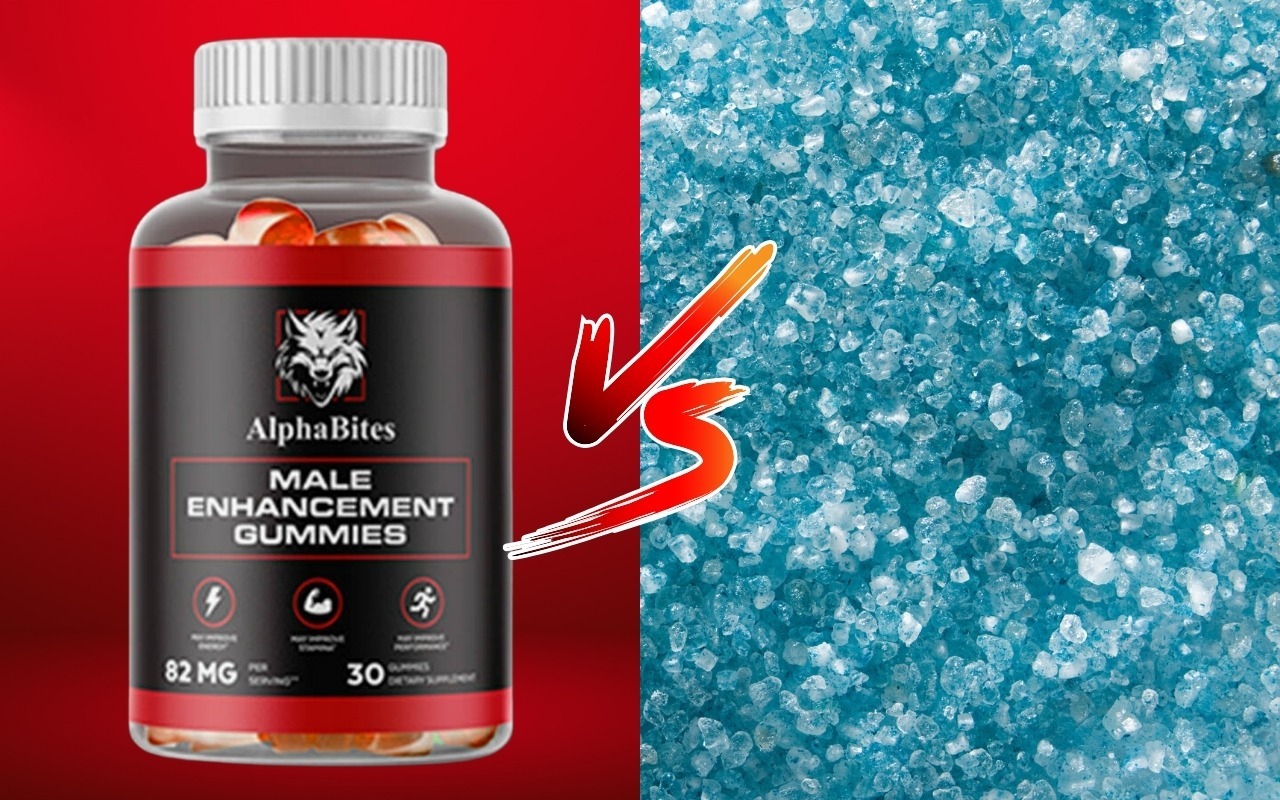
Alpha Bites – A Smarter Alternative

blue salt trick for ED

Alpha Bites is a thoughtfully formulated dietary supplement designed to support male sexual health and overall vitality. By addressing the root causes of erectile dysfunction (ED) through improved circulation, enhanced stamina, and mental clarity, Alpha Bites offers a natural and effective solution without relying on unproven methods.

Key Ingredients in Alpha Bites:

  • Vitamin C – Supports healthy blood circulation and boosts nitric oxide production for improved erectile function.
  • Beet Root Powder – Naturally elevates nitric oxide levels, optimizing blood flow and endurance.
  • Maca Root – Enhances stamina, balances hormones, and promotes increased libido.
  • Horny Goat Weed Extract – Aids in muscle relaxation and enhances sexual desire.

Growth Matrix – The Structured Approach to Male Enhancement

blue salt recipe

For those seeking a guided, long-term strategy, Growth Matrix provides a science-backed 12-week online program aimed at improving male intimate health. With structured exercises, expert-led resources, and consistent monitoring, this program helps men achieve sustainable results through proven techniques.

What’s Included in the Growth Matrix?

  • Step-by-Step Enhancement Exercises – Custom routines designed to improve size, strength, and endurance.
  • ‘Immediate Inches’ Quickstart Guide – A strategy to deliver noticeable results quickly.
  • Platinum Video Series – Professional demonstrations to maximize the effectiveness of exercises.
  • Digital Growth Tracking System – A tool to monitor progress and maintain motivation.
  • All Access Support – Ongoing expert guidance to ensure long-term success.

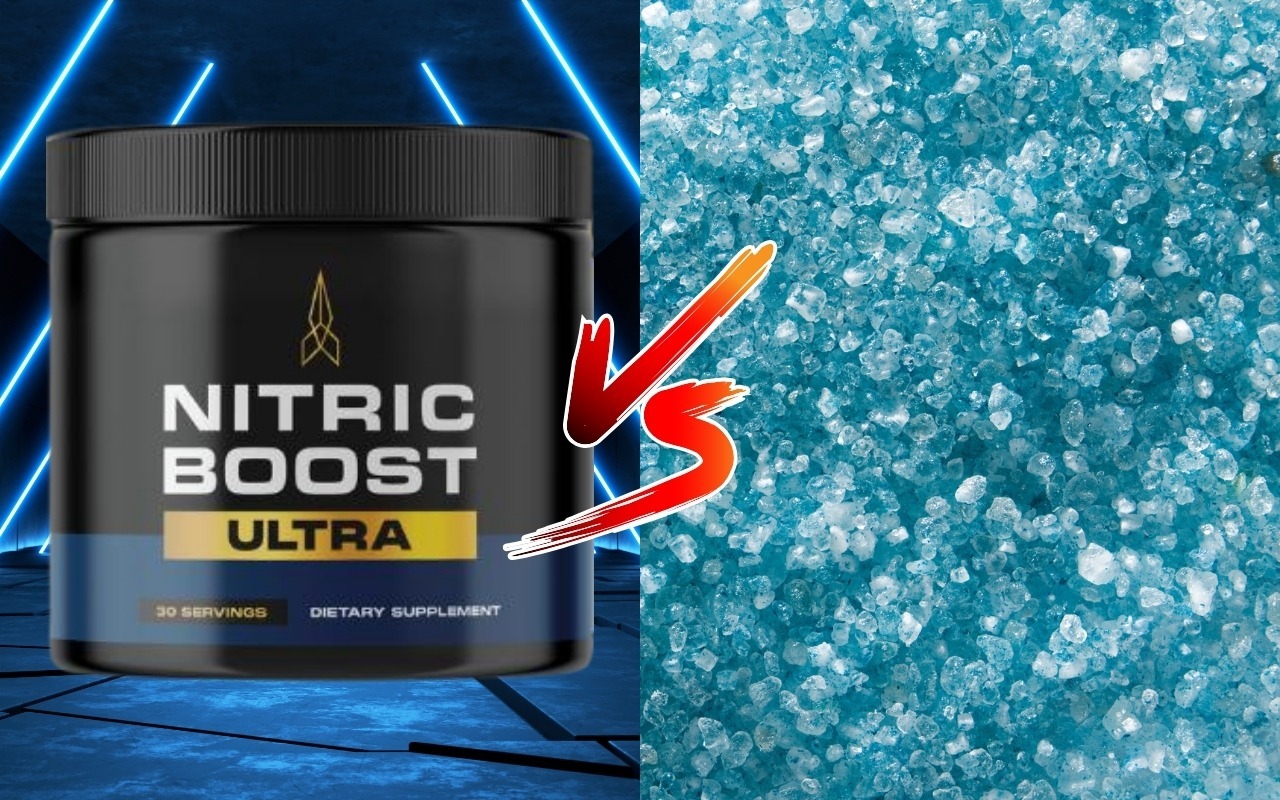
Nitric Boost Ultra – Supporting Circulatory Health

salt trick recipe

Nitric Boost Ultra is a natural supplement designed to enhance circulation, a crucial factor in maintaining healthy erectile function. By increasing nitric oxide production, this formula promotes better blood flow, leading to improved performance, endurance, and overall energy levels.

Key Ingredients in Nitric Boost Ultra:

  • Beet Root Powder – Supports nitric oxide production and optimizes blood circulation.
  • Horny Goat Weed – Enhances sexual desire and improves erectile function.
  • Dong Quai – Aids circulatory health and supports hormonal balance.
  • Ginkgo Biloba Powder – Improves blood flow and cognitive performance.

The Bottom Line: Choose Clinically Proven Solutions

With an overwhelming number of quick fixes and ‘miracle cures’ circulating online, it’s crucial to rely on scientifically-backed options. At Meridian Medical Centre, we advocate for evidence-based solutions like Alpha Bites, Growth Matrix, and Nitric Boost Ultra, ensuring men can enhance their performance and confidence safely and effectively.

Take Control of Your Health Today

If you’re serious about improving your intimate health, explore these proven approaches. Through targeted supplementation, structured exercise programs, and enhanced circulatory support, these solutions provide a reliable path to renewed vitality and long-term performance. Consult with healthcare professionals for personalized guidance and embrace a balanced approach to wellness with MeridianMedicalCentre.com.

*These statements have not been evaluated by the Food and Drug Administration. This product is not intended to diagnose, treat, cure, or prevent any disease. Always consult with a qualified healthcare professional before starting any new supplement or health program, especially if you have existing medical conditions or take prescription medications.
Kratom and Wellness: Exploring Its Potential Health Benefits with Scientific Insights

Clinical Summary: Kratom (Mitragyna speciosa)

Category: Botanical supplement / Natural wellness agent
Key Active Ingredients: Mitragynine (primary alkaloid), 7-hydroxymitragynine, rhynchophylline, speciociliatine
Price Range: Not disclosed
Refund Policy: Not disclosed
Evidence Level: Mixed — pain relief and mood effects show preliminary evidence, but cardiovascular safety remains under active investigation.
Best For: Individuals seeking natural pain relief and stress management under medical guidance, excluding those with cardiovascular conditions.
Caution: High doses (>10g) may cause vasoconstriction and elevated blood pressure; contraindicated in hypertension, arrhythmias, and heart disease; potential for tachycardia and long-term cardiovascular strain with excessive use.

As the interest in natural wellness solutions continues to grow, kratom (Mitragyna speciosa) has emerged as a widely discussed botanical with potential benefits in pain relief, mood enhancement, and stress management. However, its effects on cardiovascular health and overall wellness remain a subject of ongoing research. Understanding the science behind kratom’s active compounds and how they interact with the body is essential for making informed health decisions.

At Meridian Medical Centre, we provide an evidence-based approach to wellness content is designed to empower individuals with accurate, research-backed health information.

Understanding Kratom’s Active Compounds

Kratom contains over 40 bioactive compounds, with mitragynine and 7-hydroxymitragynine being the most extensively studied. These alkaloids interact with opioid receptors, adrenergic pathways, and cardiovascular systems, influencing both the nervous system and heart function.

1. Mitragynine: The Primary Alkaloid

  • Acts as a partial opioid receptor agonist, contributing to pain relief without the respiratory depression seen in opioids.
  • Influences noradrenergic and serotonergic systems, potentially enhancing focus and mood.
  • May cause vasoconstriction, affecting blood pressure regulation.

2. 7-Hydroxymitragynine: A More Potent Alkaloid

  • Demonstrates strong analgesic properties, beneficial for chronic pain management.
  • Impacts dopaminergic activity, potentially influencing relaxation and mood.
  • Carries an increased risk of cardiovascular effects, such as elevated heart rate at high doses.

3. Additional Alkaloids and Their Effects

  • Speciociliatine and Corynantheidine: Partial opioid antagonists that may help regulate kratom’s effects.
  • Rhynchophylline: Thought to possess antihypertensive and anti-inflammatory properties, potentially supporting cardiovascular health.
  • Isopteropodine and Mitraphylline: Studied for possible immune-boosting and neuroprotective benefits.

Kratom’s Impact on Cardiovascular Health

1. Blood Pressure and Circulation

  • Low to moderate doses (1-5g): May lead to mild vasodilation, promoting circulation and relaxation.
  • High doses (>10g): Can cause vasoconstriction, potentially increasing blood pressure in some individuals.
  • Individuals with hypertension or pre-existing heart conditions should monitor their blood pressure when using kratom.

2. Heart Rate and Arrhythmias

  • Some users report an increase in heart rate (tachycardia), particularly at higher doses.
  • Possible reasons include kratom’s stimulatory effects on the adrenergic system and potential interference with calcium channel regulation, affecting heart rhythm.
  • Those with arrhythmias or cardiovascular disease should exercise caution.

3. Risk of Cardiovascular Strain

  • Long-term or excessive kratom use may lead to chronic vasoconstriction, affecting circulation.
  • Some studies suggest kratom could contribute to increased LDL (“bad” cholesterol) levels.
  • Potential for dependency may lead to lifestyle changes that impact cardiovascular health.

Kratom’s Role in Holistic Wellness

1. Stress Reduction and Mood Balance

  • Kratom’s interaction with dopamine and serotonin receptors may promote relaxation and emotional well-being.
  • Some individuals report benefits in reducing anxiety and managing stress.

2. Pain Relief and Muscle Recovery

  • Kratom’s analgesic properties may aid in managing chronic pain, arthritis, and post-exercise soreness.
  • May support muscle relaxation and faster recovery following strenuous physical activity.

3. Cognitive Support and Focus Enhancement

  • Low doses of kratom may enhance alertness, concentration, and motivation.
  • Some strains are used as natural nootropics, supporting memory retention and mental endurance.

Also Read: What Science Says About Red, Green, and White Veins

Best Practices for Safe Kratom Use

1. Dosage Considerations

  • Low doses (1-3g): Best for energy, focus, and mild pain relief.
  • Moderate doses (3-7g): May assist with pain management and relaxation without excessive sedation.
  • High doses (>7g): Should be avoided for daily use, as they may increase sedation, blood pressure, and dependency risks.

2. Choosing the Right Kratom Strain

  • White vein kratom: More stimulating, which may increase heart rate.
  • Green vein kratom: Balanced effects, suitable for moderate pain relief and focus.
  • Red vein kratom: More sedative, which may help with stress relief but could lower blood pressure.

3. Hydration and Nutritional Support

  • Drink plenty of water to counteract dehydration and electrolyte imbalances.
  • Consume potassium- and magnesium-rich foods to support heart function.
  • Incorporate antioxidant-rich foods to combat oxidative stress.

4. Monitoring for Side Effects

Signs of cardiovascular strain to watch for include:

  • Irregular heartbeat or palpitations.
  • Dizziness or fainting.
  • Persistent high blood pressure or headaches.
  • If these symptoms occur, users should adjust their dosage, select a different strain, or discontinue use.

The Future of Kratom Research in Heart Health and Wellness

As kratom use expands, further research is needed to understand its long-term impact on cardiovascular health. Key areas of study include:

  • Clinical trials on kratom’s role in blood pressure and heart function.
  • Assessing oxidative stress and heart disease risks in long-term users.
  • Developing standardized dosing guidelines for safer consumption.

Conclusion: A Balanced Approach to Kratom and Wellness

Kratom offers potential benefits for energy, focus, and pain relief, but its cardiovascular effects require careful monitoring. Responsible use, proper dosing, and awareness of individual health conditions are key to minimizing risks.

At Meridian Medical Centre, our commitment to evidence-based healthcare ensures that individuals receive accurate and transparent information regarding their wellness choices. Based on current research:

  • Kratom may support stress relief, focus, and pain management, but those with heart conditions should consult a physician before use.
  • Proper hydration, nutrition, and dosage control are essential for safe kratom consumption.
  • More research is needed to fully understand kratom’s long-term effects on heart health.

For individuals seeking natural wellness solutions, kratom may be a complementary tool when used responsibly. However, always consult a healthcare professional before incorporating it into your health regimen, especially for those with pre-existing cardiovascular conditions.

Also Read: Unregulated Kratom Use in the Opioid Era: A Wellness Perspective on Safety and Efficacy

*These statements have not been evaluated by the Food and Drug Administration. This product is not intended to diagnose, treat, cure, or prevent any disease. Always consult with a qualified healthcare professional before starting any new supplement or health program, especially if you have existing medical conditions or take prescription medications.

Unregulated Kratom Use in the Opioid Era: A Wellness Perspective on Safety and Efficacy

The opioid crisis has led to increased interest in alternative treatments for opioid withdrawal and recovery. One such alternative is kratom, a botanical supplement derived from the Mitragyna speciosa tree, native to Southeast Asia. While kratom has been widely discussed in anecdotal reports and self-reported surveys, data-driven research is crucial to assess its true impact on opioid recovery.

At Meridian Medical Centre, we prioritize evidence-based healthcare solutions, integrating natural wellness approaches with conventional medical care. Our commitment is to provide scientifically backed health insights, ensuring that patients receive comprehensive and transparent information about emerging treatments like kratom.

Clinical Summary: Kratom (Mitragyna speciosa)

Category: Botanical supplement (unregulated)
Key Active Ingredients: Mitragynine, 7-hydroxymitragynine, dopaminergic and noradrenergic alkaloids
Price Range: Not disclosed
Refund Policy: Not disclosed
Evidence Level: Mixed — 87% self-reported relief from opioid withdrawal in one Johns Hopkins survey, but lacks large-scale controlled trials and standardized dosing protocols.
Best For: Individuals exploring alternatives for opioid withdrawal relief; however, FDA-approved medications (buprenorphine, methadone, naltrexone) remain the evidence-based standard.
Caution: Moderate risk of dependency with long-term use; no standardized dosing; insufficient long-term safety data; does not undergo FDA regulation; activation of opioid receptors may lead to withdrawal symptoms upon cessation.

The Pharmacological Mechanism of Kratom: How It Interacts with the Body

Kratom contains two primary alkaloids, mitragynine and 7-hydroxymitragynine, which interact with mu-opioid receptors in the brain. Their effects vary depending on dosage:

  • Low doses (1-5g): Stimulating effects similar to caffeine, increased alertness, and focus.
  • Moderate doses (5-10g): Mild analgesic effects, euphoria, and relaxation.
  • High doses (>10g): Opioid-like sedation and pain relief.

How Kratom Differs from Traditional Opioids

While kratom binds to opioid receptors, it does not cause significant respiratory depression, the leading cause of opioid overdose fatalities. However, kratom does activate dopaminergic and noradrenergic pathways, which may contribute to dependency and withdrawal symptoms with long-term use.

Clinical Data on Kratom for Opioid Withdrawal and Recovery

1. Survey and Self-Reported Data on Kratom’s Role in Opioid Withdrawal

A 2020 study from Johns Hopkins University analyzed 2,798 self-reported kratom users and found:

  • 87% experienced relief from opioid withdrawal symptoms.
  • 80% reported reduced opioid cravings.
  • 86% found kratom beneficial for chronic pain management.

While promising, these results are based on self-reports, which are inherently limited by placebo effects, recall bias, and lack of clinical control.

2. Comparisons with FDA-Approved Opioid Recovery Treatments

Medications like buprenorphine, methadone, and naltrexone are widely used in opioid addiction treatment and have undergone rigorous clinical trials. In contrast, kratom lacks large-scale, controlled studies demonstrating consistent efficacy and safety.

Feature Kratom FDA-Approved Medications (Buprenorphine, Methadone)
Legally Regulated? No (varies by region) Yes (FDA-approved)
Clinically Tested? Limited human studies Extensive randomized controlled trials (RCTs)
Risk of Dependence? Moderate Managed under medical supervision
Dosage Control? No standardized dosing Precise, medically supervised dosing
Long-Term Safety Data? Insufficient research Well-documented long-term effects

These differences highlight the need for more standardized clinical research before kratom can be considered a reliable medical treatment for opioid withdrawal.

Potential Risks and Adverse Effects of Kratom in Recovery

1. Kratom Dependence and Withdrawal

While kratom is often marketed as a safer alternative to opioids, it can lead to physical dependence with long-term use. Symptoms of kratom withdrawal include:

  • Irritability and mood swings
  • Insomnia and restlessness
  • Nausea and gastrointestinal discomfort
  • Anxiety and cravings

A 2019 study in Drug and Alcohol Dependence found that 9% of surveyed kratom users met the criteria for moderate-to-severe dependence, suggesting withdrawal can be significant for some users.

2. Safety Concerns: Contamination and Product Inconsistency

Since kratom is not regulated by the FDA, products vary widely in purity, potency, and quality. Analysis of commercial kratom samples has found:

  • Heavy metals (lead, arsenic, cadmium) contamination.
  • Bacterial contamination, including salmonella outbreaks traced to kratom.
  • Adulteration with synthetic opioids, increasing the risk of overdose.

3. Reported Side Effects in Clinical Data

Although kratom does not pose the same overdose risk as opioids, reported health effects include:

  • Liver toxicity in chronic users.
  • Hypertension and irregular heart rhythms.
  • Seizures, especially when combined with other substances.

According to FDA reports, kratom has been implicated in multiple fatalities, though these cases often involved poly-drug use (opioids, benzodiazepines, or alcohol).

Kratom’s Legal and Regulatory Landscape

Kratom’s legal status varies widely across states and countries:

  • Banned in: Alabama, Arkansas, Indiana, Rhode Island, Vermont, Wisconsin.
  • Regulated in: Arizona, Georgia, Nevada, Utah (subject to purity and quality regulations).
  • Unregulated in many states, leading to inconsistent product quality.
  • Internationally: Banned or restricted in Australia, Sweden, Denmark, Japan, and Malaysia. Recently decriminalized for medical use in Thailand.

The Future of Kratom in Opioid Recovery Research

1. The Need for Controlled Clinical Trials

Current research on kratom consists largely of observational studies and self-reported data, limiting scientific conclusions about its efficacy. To validate kratom’s potential role in opioid recovery, randomized controlled trials (RCTs) are essential.

2. Could Kratom Be Standardized for Medical Use?

For kratom to be considered a legitimate medical tool, researchers must:

  • Develop standardized dosing guidelines to minimize dependence risk.
  • Assess long-term safety data on liver and cardiovascular health.
  • Investigate interactions with other medications for clinical compatibility.

Without these measures, kratom remains an experimental supplement rather than an established medical treatment.

Conclusion: A Balanced Perspective on Kratom’s Role in Opioid Recovery

Kratom presents potential benefits in opioid withdrawal, but the lack of standardized research and regulatory oversight raises significant concerns. At Meridian Medical Centre, we emphasize data-driven, scientifically backed health solutions.

Based on current medical evidence:

  • Kratom may provide short-term opioid withdrawal relief, but it is not a replacement for FDA-approved treatments.
  • The risk of dependence and withdrawal exists, particularly with long-term, high-dose use.
  • Product safety and regulation remain key concerns, making medical supervision essential for those considering kratom use.

Final Takeaway

Until rigorous clinical trials and regulatory oversight are established, individuals seeking opioid recovery support should consult medical professionals for evidence-based treatment options. This ensures safe, effective, and scientifically validated care in overcoming opioid dependence.

Also Read: Kratom Strains Explained

*These statements have not been evaluated by the Food and Drug Administration. This product is not intended to diagnose, treat, cure, or prevent any disease. Always consult with a qualified healthcare professional before starting any new supplement or health program, especially if you have existing medical conditions or take prescription medications.
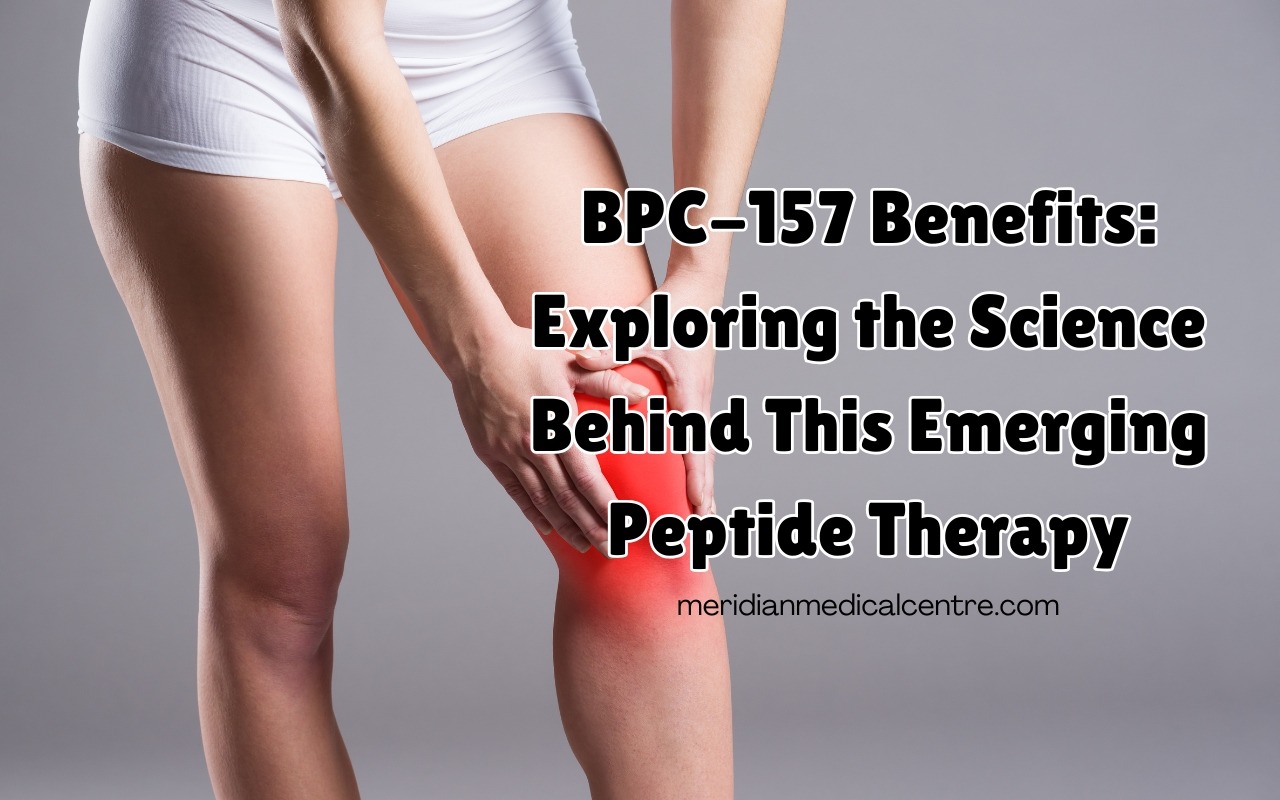
BPC-157 Benefits: Exploring the Science Behind This Emerging Peptide Therapy

At Meridian Medical Centre, we prioritize evidence-based medicine and scientifically validated wellness solutions. As research in regenerative medicine expands, peptides are emerging as potential tools for promoting healing, reducing inflammation, and supporting overall health. One such peptide, BPC-157, has gained increasing attention for its possible therapeutic applications. While not yet FDA-approved, BPC-157 has been the subject of numerous preclinical studies investigating its role in tissue repair, gastrointestinal health, and vascular function.

Clinical Summary: BPC-157 (Body Protection Compound 157)

Category: Synthetic Peptide Therapy (Regenerative Medicine)
Key Active Ingredients: BPC-157 — derived from naturally occurring gastric juice protein; mechanisms include collagen production, angiogenesis stimulation, and nitric oxide enhancement.
Price Range: Not disclosed
Refund Policy: Not disclosed
Evidence Level: Preliminary — multiple preclinical studies demonstrate therapeutic potential in tissue repair, inflammation reduction, and gastrointestinal healing, but human clinical trials remain limited and FDA approval has not been obtained.
Best For: Individuals seeking support for tissue regeneration, musculoskeletal recovery, gastrointestinal health, and inflammatory modulation based on emerging research.
Caution: Not yet FDA-approved; human clinical trial data is limited; contraindications and drug interactions have not been disclosed in available literature.

What is BPC-157?

BPC-157 (Body Protection Compound 157) is a synthetic peptide derived from a naturally occurring protein found in gastric juices. Initially studied for its ability to protect and heal the gastrointestinal tract, researchers have discovered that its potential benefits extend beyond digestive health, influencing musculoskeletal recovery, neurological function, and cardiovascular repair.

Although human clinical trials are still limited, preclinical research suggests that BPC-157 may play a significant role in injury recovery and systemic healing by activating multiple biological pathways.

Potential Benefits of BPC-157: What Does the Research Say?

1. Tissue Repair and Regeneration

BPC-157 has been studied for its potential to accelerate healing in muscles, tendons, ligaments, and skin. It may enhance tissue repair through the following mechanisms:

  • Collagen Production: Essential for tendon and ligament strength.
  • Angiogenesis Stimulation: The formation of new blood vessels to supply injured tissues.
  • Cellular Growth and Recovery: Encourages muscle and nerve regeneration.

Clinical Insight: A 2018 study in Current Pharmaceutical Design found that BPC-157 improved wound healing rates by up to 30% in animal models of soft tissue injury.

2. Inflammation Modulation

Inflammation plays a critical role in both acute injuries and chronic conditions. BPC-157 has demonstrated potential in modulating the body’s inflammatory response by:

  • Reducing Pro-Inflammatory Cytokines such as TNF-alpha and IL-6.
  • Enhancing Nitric Oxide (NO) Production to support immune response and improve circulation.
  • Lowering Oxidative Stress, which can accelerate healing and reduce long-term damage.

Clinical Insight: A 2020 study in Frontiers in Pharmacology found that BPC-157 reduced inflammatory markers by 40% in rodent models of chronic inflammation.

3. Gut Health & Gastrointestinal Protection

Since BPC-157 originates from gastric proteins, it has been widely studied for its ability to support digestive health and intestinal repair.

  • Accelerates Stomach Ulcer Healing by reducing oxidative stress.
  • Supports Gut Lining Integrity to prevent intestinal permeability (leaky gut syndrome).
  • Enhances Microbiome Balance, improving nutrient absorption and immune function.

Clinical Insight: A 2019 study in Biomedicine & Pharmacotherapy found that BPC-157 reduced NSAID-induced gastric ulcers by 50%, highlighting its potential to protect against medication-induced gut damage.

4. Cardiovascular and Vascular Support

A well-functioning vascular system is vital for overall health, and BPC-157 may aid in vascular repair and blood flow regulation:

  • Promotes Angiogenesis, supporting the healing of blood vessels after injury.
  • Enhances Endothelial Function, reducing arterial stiffness and improving circulation.
  • May Help Regulate Blood Pressure through nitric oxide modulation.

Clinical Insight: A 2021 study in Cardiovascular Research demonstrated that BPC-157 reduced post-injury arterial damage by 35% in preclinical models.

5. Neurological Protection and Cognitive Health

Preliminary research suggests that BPC-157 may also support the nervous system, aiding in recovery from nerve injuries, neuroinflammation, and cognitive decline.

  • Supports Nerve Regeneration in cases of peripheral nerve injuries.
  • Reduces Neuroinflammation, which is linked to neurodegenerative diseases.
  • Potentially Enhances Cognitive Function through synaptic repair.

Clinical Insight: A 2022 study in Neuropharmacology showed that BPC-157 increased nerve regeneration speed by 20% in rodent models of sciatic nerve injury.

Administration and Dosage Considerations

BPC-157 is available in oral, topical, and injectable forms, though human pharmacokinetic data is still emerging. While oral bioavailability is debated, some studies indicate systemic benefits from oral administration.

Estimated Dosage Based on Preclinical Studies:

  • 110 μg for a 150lb individual
  • 145 μg for a 200lb individual
  • 180 μg for a 250lb individual

Since long-term human data is limited, we strongly advise consulting a qualified healthcare provider before considering BPC-157 as a supplement.

Safety and Considerations: Potential Risks of BPC-157

While research indicates promising therapeutic effects, there are key safety considerations:

  • Not FDA-Approved – BPC-157 is classified as a research peptide and lacks regulatory approval for human treatment.
  • Limited Long-Term Data – No extensive human clinical trials have evaluated its safety profile over time.
  • Quality Control Concerns – As an unregulated compound, sourcing from reputable suppliers is essential to avoid impurities or contaminants.

Final Thoughts: The Future of BPC-157 in Clinical Medicine

Current research suggests that BPC-157 holds potential as a regenerative therapy, particularly in areas of tissue repair, inflammation modulation, cardiovascular health, and neurological recovery. However, more robust human trials are necessary to confirm its clinical efficacy and safety.

At Meridian Medical Centre, we remain committed to providing accurate, research-based wellness information, ensuring that our patients and readers have access to scientifically validated health solutions. While BPC-157 is still an emerging therapeutic compound, we encourage a cautious and informed approach to any experimental treatments.

For personalized medical guidance on healing, recovery, and wellness optimization, consult with our team of healthcare professionals. Staying informed on the latest scientific advancements ensures that you receive safe, effective, and evidence-based care.

Disclaimer: This article is for informational purposes only and should not be considered medical advice. Always consult a licensed healthcare professional before beginning any new supplement or treatment regimen.

Related Articles

*These statements have not been evaluated by the Food and Drug Administration. This product is not intended to diagnose, treat, cure, or prevent any disease. Always consult with a qualified healthcare professional before starting any new supplement or health program, especially if you have existing medical conditions or take prescription medications.
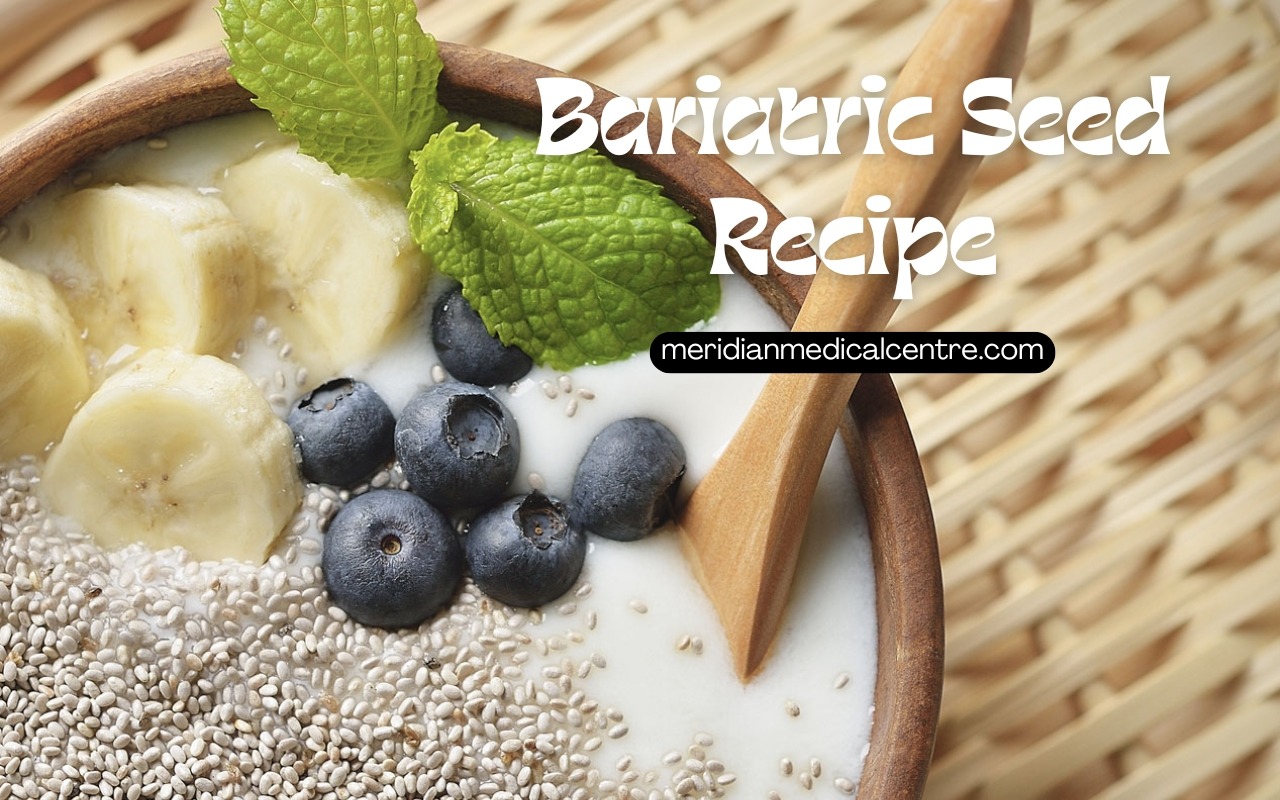
Bariatric Seed Recipe for Appetite Regulation: Evidence or Hype?

Clinical Summary: Bariatric Seed Recipe for Appetite Regulation

Category: Nutritional Recipe / Dietary Intervention
Key Active Ingredients: Pumpkin seeds, chia seeds, flaxseeds, sunflower seeds; supporting compounds include omega-3 ALA, fiber, magnesium, vitamin E, and polyphenols.
Price Range: Not disclosed
Refund Policy: Not disclosed
Evidence Level: Moderate — individual seed components have peer-reviewed support for satiety, fat metabolism, and cardiovascular benefits, though the combined recipe formulation lacks direct clinical trial validation.
Best For: Individuals seeking natural appetite regulation and metabolic support through whole-food plant-based ingredients within a bariatric or weight-management protocol.
Caution: Not disclosed; no contraindications or drug interactions mentioned in source material.

At MeridianMedicalCentre, we are committed to providing the latest comprehensive natural health information available supported by cutting-edge research and evidence-based wellness strategies. Our approach integrates scientific research, clinical expertise, and patient-centered care to offer holistic solutions for metabolic health, weight management, and overall well-being. As part of our ongoing efforts to support informed health decisions, we present a bariatric seed recipe designed to enhance satiety, regulate appetite, and support cardiovascular health—all backed by scientific data.

The Science Behind This Recipe: How It Supports Metabolism & Weight Loss

Scientific studies consistently show that specific nutrients play a critical role in metabolism, energy balance, and appetite control. This bariatric-friendly seed mix contributes to weight loss and overall metabolic function by:

  • Enhancing Satiety & Appetite Regulation – High-fiber, protein-rich diets help reduce caloric intake and regulate hunger hormones such as ghrelin and leptin.
  • Boosting Metabolic Rate & Fat Oxidation – Omega-3 fatty acids and monounsaturated fats have been shown to promote efficient fat metabolism and insulin sensitivity.
  • Optimizing Gut Microbiome Function – Prebiotic fiber found in seeds supports gut health, which is linked to improved digestion, reduced inflammation, and weight regulation.
  • Reducing Systemic Inflammation – Polyphenols and alpha-linolenic acid (ALA) in seeds help lower oxidative stress, a key contributor to obesity and metabolic disorders.

Evidence-Based Ingredients for Metabolic Efficiency

Each ingredient in this clinically designed seed mix has been selected based on research highlighting their benefits for weight loss, cardiovascular health, and digestion.

Ingredients:

  • 1/2 cup pumpkin seeds – High in magnesium and zinc, which regulate insulin sensitivity and glucose metabolism.
  • 1/2 cup sunflower seeds – Rich in vitamin E, an antioxidant that protects against arterial inflammation and oxidative stress.
  • 2 tablespoons chia seeds – A clinically studied source of omega-3s and soluble fiber, known to enhance satiety and fat metabolism.
  • 2 tablespoons flaxseeds (ground for better absorption) – Contains lignans and ALA, compounds linked to cholesterol reduction and metabolic balance.
  • 1/2 teaspoon sea salt – A natural electrolyte source, essential for fluid balance and cardiovascular health.
  • 1 teaspoon turmeric powder – Backed by research for its anti-inflammatory properties and potential in fat metabolism.
  • 1 teaspoon smoked paprika (optional) – Contains capsaicin, which has been linked to thermogenesis and fat-burning.
  • 1 tablespoon olive oil or avocado oil – Monounsaturated fats support lipid metabolism and insulin function.
  • 1 tablespoon nutritional yeast – A B-vitamin-rich ingredient that enhances energy production and neurotransmitter function.

Step-by-Step Guide to Preparing This Science-Backed Recipe

Step 1: Preheat for Nutrient Retention

Set your oven to 325°F (163°C) and line a baking sheet with parchment paper. Research suggests that roasting at moderate temperatures helps preserve healthy fats and antioxidants.

Step 2: Mix for Nutritional Synergy

In a large bowl, combine all seeds, seasonings, and oil. Mix thoroughly to ensure even distribution of bioactive compounds.

Step 3: Bake for Enhanced Digestibility

Spread the seed mixture evenly onto the baking sheet and bake for 12-15 minutes, stirring halfway through. Roasting at this temperature helps activate enzymes that improve digestibility and nutrient absorption.

Step 4: Cool, Store & Enjoy

Allow the mixture to cool before transferring to an airtight container. Store at room temperature for up to two weeks.

How to Integrate This Recipe Into a Bariatric-Friendly Diet

This clinically supported seed mix is a versatile and nutrient-dense addition to a weight management plan:

  • As a High-Protein, Low-Calorie Snack – Studies show that fiber-rich, protein-packed snacks support weight loss by reducing hunger.
  • Sprinkled Over Salads or Yogurt – Enhances meals with healthy fats, fiber, and micronutrients.
  • Blended into Smoothies – Provides omega-3s, antioxidants, and prebiotic fiber.
  • Pre- or Post-Workout Nutrition – Supports endurance, muscle recovery, and sustained energy levels.

Scientific Insights: Why This Seed Mix Works

This clinically designed recipe aligns with modern scientific findings on metabolic function and cardiovascular wellness:

  • Supports Fat Oxidation & Energy Balance – Healthy fats, fiber, and protein enhance fat-burning efficiency.
  • Regulates Blood Sugar & Insulin Sensitivity – Helps stabilize glucose levels, reducing insulin resistance.
  • Promotes a Healthy Gut Microbiome – Encourages diverse gut bacteria, which contribute to weight regulation.
  • Delivers Essential Micronutrients – Provides magnesium, vitamin E, and polyphenols essential for vascular health.

Final Thoughts: A Research-Backed Strategy for Weight Management

At Meridian Medical Centre, we are dedicated to offering scientifically validated wellness solutions. This bariatric seed mix provides a clinically supported, whole-food approach to appetite regulation, metabolic health, and long-term weight management.

Unlike fad diets or unproven weight loss methods, this research-based formula is designed for sustainable, long-term success. Whether you’re recovering from bariatric surgery, managing metabolic health, or seeking a doctor-recommended, nutrient-dense snack, this recipe is a practical addition to your dietary plan.

Try this science-backed seed mix today and take a step toward better metabolic function, improved cardiovascular health, and sustainable weight management. For more clinically informed nutritional strategies, visit Meridian Medical Centre for expert insights and personalized wellness solutions.

Related Articles

*These statements have not been evaluated by the Food and Drug Administration. This product is not intended to diagnose, treat, cure, or prevent any disease. Always consult with a qualified healthcare professional before starting any new supplement or health program, especially if you have existing medical conditions or take prescription medications.
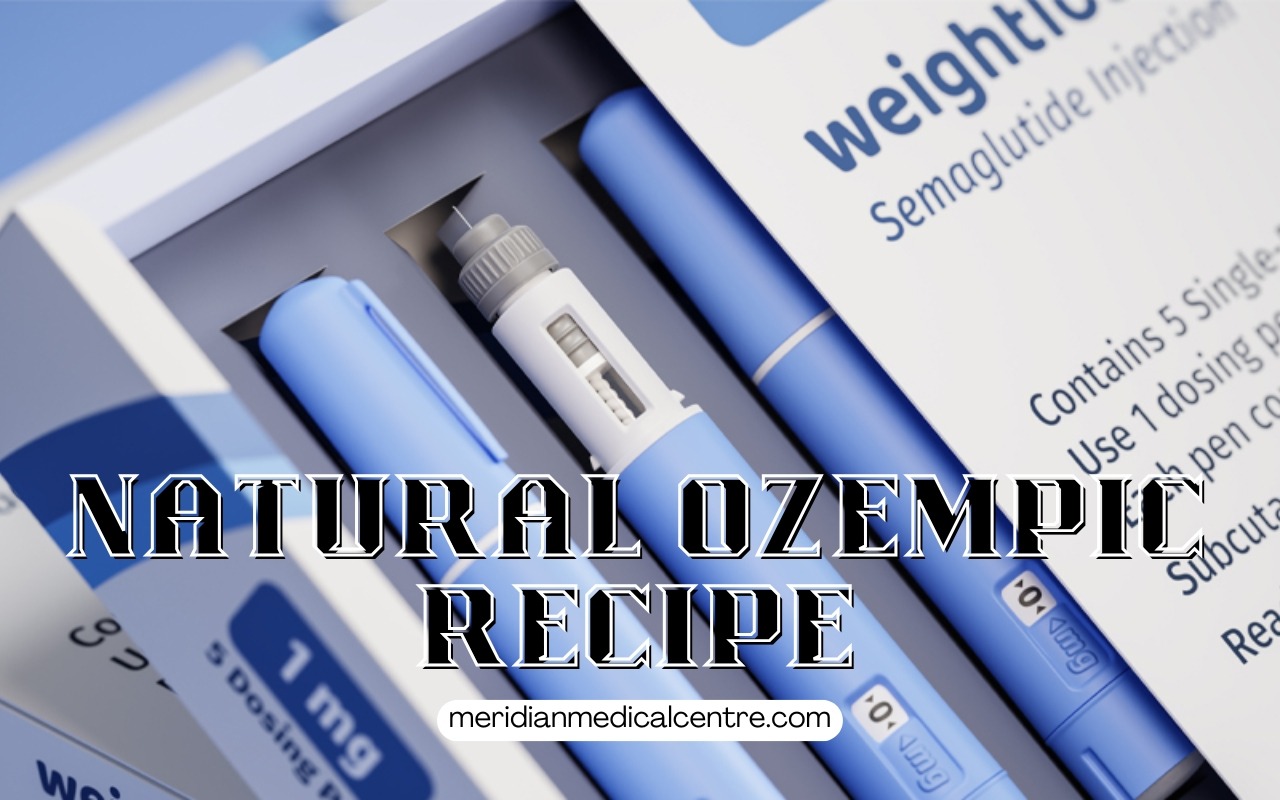
Natural Ozempic Recipe: What the Research Says About Blood Sugar and Weight Control

Clinical Summary: Natural Ozempic (Raspberry Chia Fresca)

Category: Natural dietary beverage / nutritional intervention
Key Active Ingredients: Chia seeds (soluble fiber), frozen raspberries (fiber and polyphenols), lemon juice (vitamin C), coconut water (electrolytes)
Price Range: Not disclosed
Refund Policy: Not disclosed
Evidence Level: Moderate — research supports high-fiber dietary interventions for appetite control and 10–15% weight reduction over 12 months.
Best For: Individuals seeking natural alternatives to pharmaceutical GLP-1 agonists for blood sugar stabilization and sustainable weight management.
Caution: No specific contraindications disclosed; ensure adequate hydration and monitor for individual fiber tolerance; consult healthcare provider before use with existing medications.

In recent years, Ozempic, originally designed for type 2 diabetes management, has gained widespread recognition for its effectiveness in supporting weight loss. This popularity stems from its ability to regulate appetite and enhance metabolic efficiency. However, growing concerns about long-term pharmaceutical use and side effects like nausea and digestive discomfort have led individuals to seek natural alternatives. One such alternative is the “Natural Ozempic” drink, a high-fiber beverage that mimics Ozempic’s effects by promoting satiety, stabilizing blood sugar, and curbing cravings.

Understanding the Science Behind GLP-1 and Weight Loss

Ozempic works by activating glucagon-like peptide-1 (GLP-1) receptors, which are crucial for appetite regulation, insulin secretion, and blood sugar stability. Research suggests that GLP-1 agonists help slow gastric emptying, prolonging satiety and reducing overall calorie intake. Interestingly, a high-fiber diet can naturally stimulate GLP-1 secretion, offering similar metabolic benefits.

A study published in The Journal of Nutrition found that increased dietary fiber intake is associated with improved weight management. Fiber slows digestion, enhances gut microbiota balance, and increases satiety, ultimately reducing caloric intake. The “Natural Ozempic” drink leverages these properties, making it a promising natural alternative to pharmaceutical interventions.

Clinical Insights on the Natural Ozempic Drink

Renowned dietitian and nutrition expert Courtney Kassis (@dietitianwithtwins) popularized a fruit-based beverage known as Raspberry Chia Fresca, which contains fiber-rich ingredients that support metabolic health:

  • Chia Seeds: High in soluble fiber, chia seeds expand in the stomach, slowing digestion and prolonging fullness. They also help regulate blood sugar by reducing post-meal glucose spikes.
  • Frozen Raspberries: Rich in fiber and polyphenols, raspberries improve insulin sensitivity and provide anti-inflammatory benefits.
  • Lemon Juice: Aids digestion and supports metabolic function with vitamin C.
  • Coconut Water: Offers hydration and essential electrolytes while curbing cravings.
  • Water: Essential for digestion and overall metabolic processes.

Comparing Natural Ozempic to Traditional Weight Loss Methods

High-fiber dietary interventions have been shown to be effective in promoting sustainable weight loss. A comparative analysis between fiber-rich diets and pharmaceutical GLP-1 agonists indicates that individuals consuming at least 30 grams of fiber per day experience significant appetite control and weight reduction. According to The American Journal of Clinical Nutrition, participants following a high-fiber diet saw a 10–15% reduction in body weight over 12 months—without pharmaceutical assistance.

Additionally, fiber-rich diets have been associated with a lower risk of metabolic syndrome, improved gut health, and long-term weight maintenance. The Raspberry Chia Fresca aligns with these findings, serving as a simple yet effective way to regulate blood sugar and support weight loss naturally.

Daily Fiber Intake Recommendations for Optimal Results

The National Health Service (NHS) and American Heart Association (AHA) recommend a daily intake of at least 30 grams of fiber to support metabolic function and weight management. The “Natural Ozempic” drink provides a convenient and enjoyable way to achieve this target.

Registered dietitian Courtney Kassis advocates for the 90-30-50 Method, a structured nutritional approach:

  • 90 grams of protein daily to maintain muscle mass and metabolic efficiency.
  • 30 grams of fiber daily to regulate blood sugar and promote fullness.
  • 50 grams of healthy fats daily to support hormonal balance and sustained energy levels.

Final Thoughts: A Sustainable and Effective Weight Management Strategy

While Ozempic remains a clinically validated option for weight loss, natural dietary interventions provide a sustainable, side-effect-free alternative for individuals looking to regulate their metabolism and achieve long-term weight control. The Raspberry Chia Fresca, with its high fiber and metabolic-enhancing nutrients, offers an effective and natural way to support weight management without reliance on pharmaceuticals.

For those interested in optimizing their diet naturally, increasing fiber intake through whole foods and nutrient-dense beverages like the “Natural Ozempic” drink can provide clinically supported benefits without pharmaceutical dependency. Future research will continue to explore how natural interventions can complement or even replace conventional weight management medications, paving the way for a more holistic approach to metabolic health.

Related Articles

*These statements have not been evaluated by the Food and Drug Administration. This product is not intended to diagnose, treat, cure, or prevent any disease. Always consult with a qualified healthcare professional before starting any new supplement or health program, especially if you have existing medical conditions or take prescription medications.